
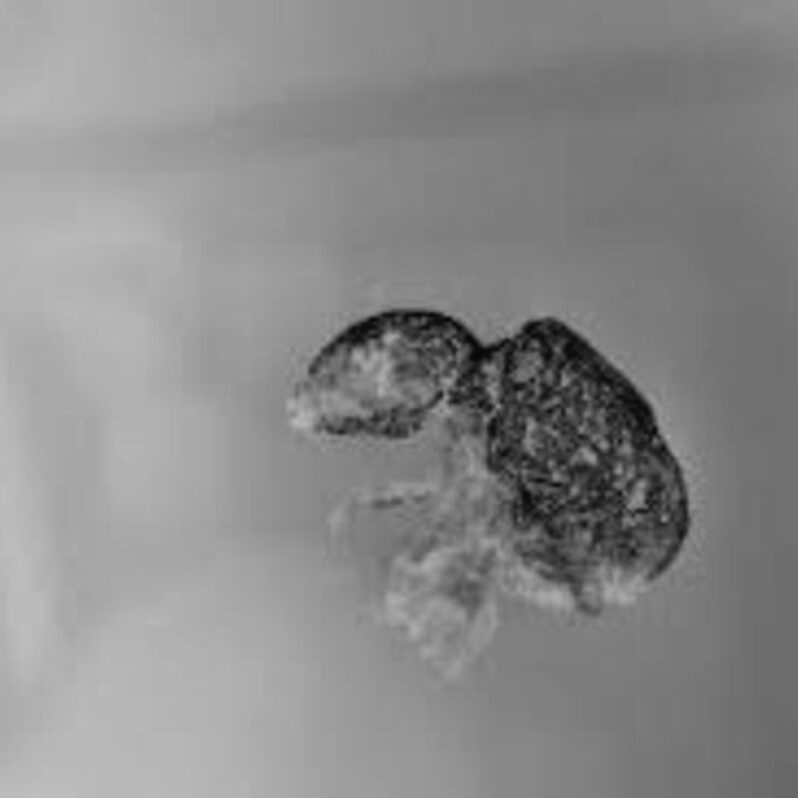
ZSI team identifies new Micro-Arthropod species in Eastern himalayas
Scientists from the Zoological Survey of India (ZSI) have discovered a new species of wingless, soil-dwelling micro-arthropod in the Eastern Himalayas, marking the first time an Indian research team has formally described a species from this primitive group of hexapods . The species has been named Lepidocampa sikkimensis and was officially published on January 7, 2026 , in the international taxonomic journal Zootaxa. The discovery ends a nearly five-decade gap in Indian research on Diplura , a little-known but ecologically important group of soil organisms.
Arthropods are one of the largest groups of animals on Earth and include insects, spiders, crabs and centipedes. They are characterized by jointed legs, segmented bodies and an external skeleton (exoskeleton) . Diplurans, to which the newly discovered species belongs, are primitive, blind and wingless hexapods that live hidden in soil and leaf litter. Often referred to as “two-pronged bristletails,” these organisms are vital to soil ecosystems because they help recycle nutrients and maintain soil structure , making them important indicators of soil health .
The discovery was made by a research team led by senior scientist Surajit Kar along with Souvik Mazumdar, Pritha Mandal, Guru Pada Mandal and Kusumendra Kumar Suman. Specimens were first collected during field surveys near Ravangla in southern Sikkim. Subsequent surveys in Kurseong, West Bengal, revealed the presence of the same species, indicating that it has a wider distribution across the Eastern Himalayan region .
Confirming the species took several years of detailed laboratory analysis . Scientists examined the organisms under high-powered microscopes and identified distinctive features such as a unique arrangement of body scales , specific bristle patterns known as chaetotaxy , and specialized appendage structures . To strengthen their findings, the team also carried out DNA barcoding , generating the first-ever genetic data for an Indian Lepidocampa species and linking traditional morphology with modern molecular science.
Until now, 17 Diplura species had been recorded in India, but all were described by foreign researchers . This makes Lepidocampa sikkimensis the first species from this group to be described by an Indian scientific team . The study also successfully relocated a rare subspecies, Lepidocampa juradii bengalensis , which had not been recorded for nearly 50 years , strengthening India’s soil fauna records.
Commenting on the importance of the achievement, ZSI Director Dhriti Banerjee said the discovery was a vital contribution to documenting India’s soil biodiversity . She noted that research on evolutionarily ancient and lesser-known groups like Diplura is essential for understanding ecosystem functioning and emphasized the need for sustained taxonomic work in biodiversity hotspots such as the Himalayas .
Although largely invisible to the human eye, diplurans play a crucial role in maintaining healthy soils by breaking down organic matter and supporting nutrient cycling . The discovery of Lepidocampa sikkimensis highlights how much of India’s microscopic biodiversity remains unexplored and demonstrates how long-term fieldwork combined with modern genetic tools can reveal new species even in well-studied regions. The finding stands as an important milestone for Indian taxonomy and a reminder that some of the most significant scientific discoveries lie beneath the surface of the soil .