
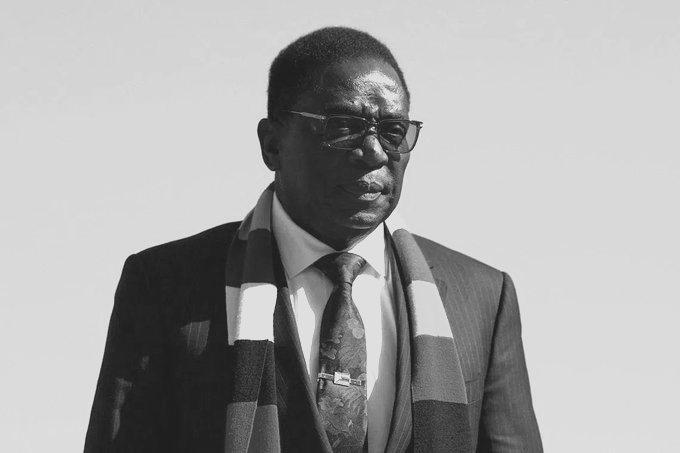
Zimbabwe's Parliament Approves Plan to Extend President Mnangagwa's Tenure Until 2030
Zimbabwe's parliament has approved constitutional amendments that could extend President Emmerson Mnangagwa's time in office and delay the country's next elections , a move that has sparked renewed debate over democratic governance and political succession in Africa.
The National Assembly voted overwhelmingly in favor of proposals that would postpone general elections scheduled for 2028 until 2030 and increase the presidential term from five to seven years . The legislation must still secure approval from the Senate, where it is widely expected to pass.
If enacted, the changes would allow 83-year-old President Emmerson Mnangagwa to remain in power beyond his current mandate. The amendments also propose replacing direct presidential elections with a system in which lawmakers select the country's leader, marking a significant shift in Zimbabwe's electoral framework.
Mnangagwa assumed office in 2017 following the military-backed removal of longtime ruler Robert Mugabe , who governed Zimbabwe for nearly four decades. Since then, his administration has faced criticism from opposition groups and civil society organizations over concerns about democratic reforms and political freedoms.
Political analysts say the proposed constitutional changes reflect a broader trend across parts of Africa, where leaders have amended or removed term limits to extend their rule . Several of the continent's longest-serving presidents, including those in Cameroon, Uganda, and Equatorial Guinea, have relied on constitutional revisions to remain in office for decades.
Critics argue that delaying elections and altering presidential succession mechanisms could weaken democratic institutions and limit opportunities for political renewal. Supporters, however, contend that continuity in leadership can promote stability and long-term policy implementation.
The vote comes as Africa continues to experience a growing disconnect between its youthful population and aging political leadership. With more than 60 percent of Africans under the age of 30 , governance experts warn that restricting avenues for democratic transition could deepen public frustration and political polarization.
The Senate's upcoming decision is expected to be closely watched both within Zimbabwe and across the region, as it may shape the country's political trajectory for years to come.