
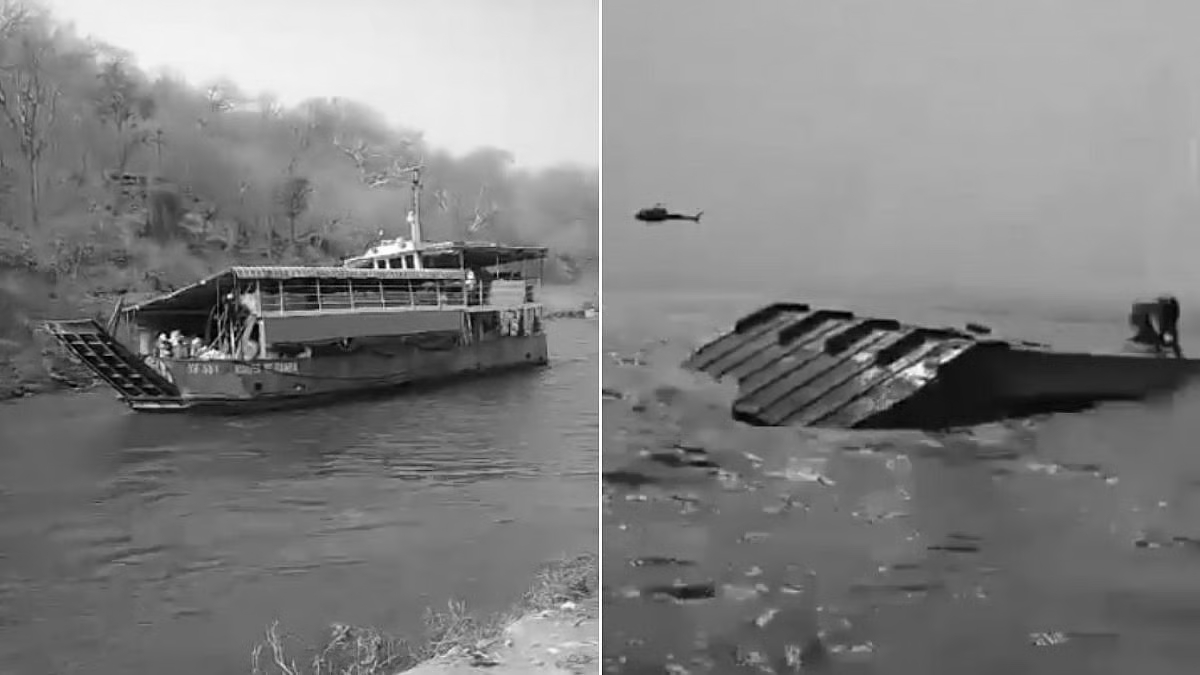
Zimbabwe Ferry Disaster: 44 Dead, 77 Rescued After Overcrowded Boat Capsizes on Lake Kariba
At least 44 people have died after an overcrowded ferry capsized on Zimbabwe’s Lake Kariba, with rescue teams continuing to search the vast lake for survivors and recover bodies.
The death toll rose sharply on Wednesday after Zimbabwean police reported that more bodies had been recovered from the lake. The initial toll of 15 deaths was later revised to 37 before authorities confirmed 44 fatalities. The number of people still missing remains unclear as officials struggle to establish exactly how many passengers were aboard the vessel.
The ferry, operated by a government agency, had a stated capacity of 90 people. Officials said ticket records showed 114 adult passengers and five crew members aboard, while a crew member told state broadcaster ZBC that he had counted as many as 153 people, including crew and infants. Authorities have warned that children who did not require tickets may not have been included in the official passenger figures.
Survivors have provided a grim account of the moments before the disaster. They said passengers repeatedly pleaded with the captain to turn back as increasingly powerful waves battered the ageing ferry. One surviving crew member said passengers were screaming that the vessel was flooding and that water was pouring into the engine room.
Witnesses said goods began falling overboard soon after the ferry left Kariba town. About 30 minutes into the journey, passengers reportedly urged the captain again to abandon the trip as water began rushing into the vessel. The ferry eventually overturned in the lake, leaving passengers clinging to the upturned hull and floating debris while they waited for help.
At least 77 people were rescued during the initial emergency response and taken to an island on the lake. Speedboats, helicopters and specialised underwater search teams have been deployed as authorities continue recovery operations.
Zimbabwean President Emmerson Mnangagwa has declared the incident a state of disaster, allowing the government to mobilise additional resources to support rescue operations and affected families.
Lake Kariba, which borders Zimbabwe and Zambia, is the world’s largest man-made lake by volume. The latest tragedy has renewed concerns over overcrowding and safety standards for vessels serving communities that depend on the lake for transport.