
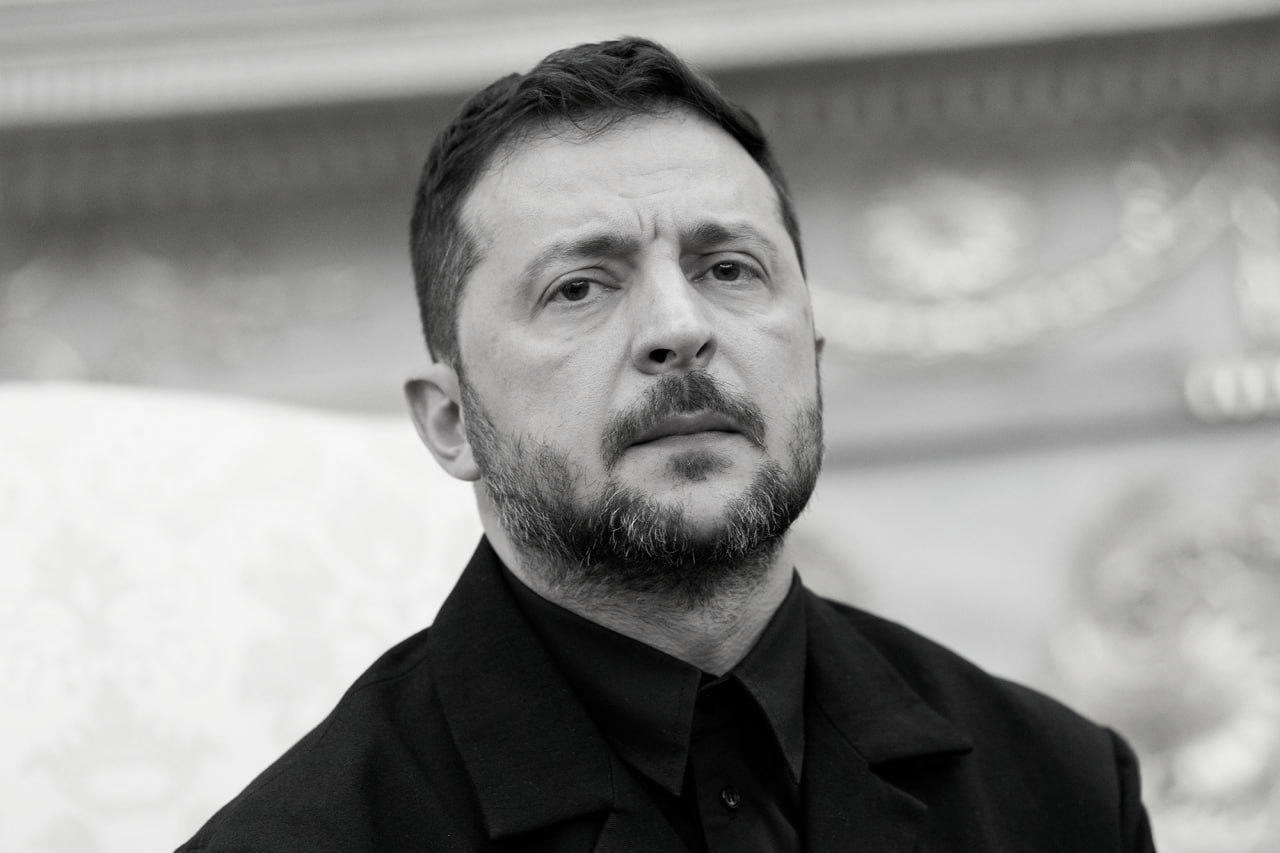
“Zelenskyy Holds Urgent Talks with Allies Amid Controversial 28-Point Peace Plan”
Ukrainian President Vladimir Zelenskyy convened urgent talks Thursday with leaders and officials from about 30 nations backing Kyiv’s bid for a fair end to the war with Russia, as diplomatic efforts intensify amid mounting pressure over a proposed peace framework.
The virtual meeting of Ukraine’s allies, dubbed the Coalition of the Willing , included the leaders of Germany, Britain and France , among others. It was hastily organized to solidify a united position ahead of separate negotiations with the United States and Russia. European governments say they have a stake in the conflict’s outcome, warning that any settlement could reshape the security architecture of the continent.
The discussions come as Ukrainian officials push back against demands from U.S. President Donald Trump for a quick settlement and rising concerns that Washington’s emerging peace blueprint could force Kyiv into painful territorial and security concessions . Trump has urged Zelenskyy to be “realistic” about a peace proposal that would involve significant compromises on Ukraine’s sovereignty and borders, though he has not publicly released a full official text.
At the center of the debate is a 28‑point peace plan developed with substantial involvement of U.S. and Russian officials, reportedly without meaningful consultation with Kyiv or European allies. The plan includes recognition of Crimea, Luhansk and Donetsk as de facto Russian territory, the withdrawal of Ukrainian forces from parts of the Donbas region, the creation of demilitarized zones, limits on the size of Ukraine’s military, and a prohibition on future NATO membership. It also addresses frozen Russian assets, sanctions relief for Moscow, and the requirement for Ukraine to hold elections within 100 days of an agreement. Provisions for humanitarian measures, such as prisoner exchanges and family reunification, are included, though critics say these are overshadowed by the plan’s territorial and security concessions.
Zelenskyy and Ukrainian officials have broadly rejected the original 28‑point text, calling key elements “unacceptable” and warning that many provisions contravene Ukrainian and international law. Kyiv has emphasized that it cannot cede territory under any credible peace deal and that permanent limits on its defense and security arrangements would undermine its ability to deter future aggression. In recent days, Ukrainian authorities have reportedly put forward revised proposals, including a shorter 20‑point framework that removes some of the most contentious clauses while reinforcing the need for strong, binding security guarantees from Western partners.
European leaders participating in Thursday’s talks reiterated their support for Ukraine’s red lines, saying efforts to end the war have reached a “critical moment” with high stakes for European security. A regular summit of European Union countries is scheduled in Brussels at the end of next week, where peace plan coordination and allied positions are expected to figure prominently.
Meanwhile, Ukraine’s armed forces carried out one of the largest drone attacks of the nearly four‑year war overnight, forcing the suspension of flights at all four Moscow airports for seven hours. Russia’s defense ministry reported that its air defenses intercepted hundreds of drones over several regions, underscoring Kyiv’s continued capability to strike deep inside Russian territory.
Russian President Vladimir Putin seeks to portray Moscow’s negotiating position as firm, but analysts note that Russia has controlled only around 20 percent of Ukraine since launching its full-scale invasion in February 2022.
As Ukraine and its supporters navigate intense diplomatic pressure from the United States, Europe and Russia, the coming days may prove decisive in shaping the future of the conflict and the terms of any eventual peace agreement.