



You Sir Are The Failure: Iran War Bill Nears $104.6 Billion, Senator Slams Hegseth
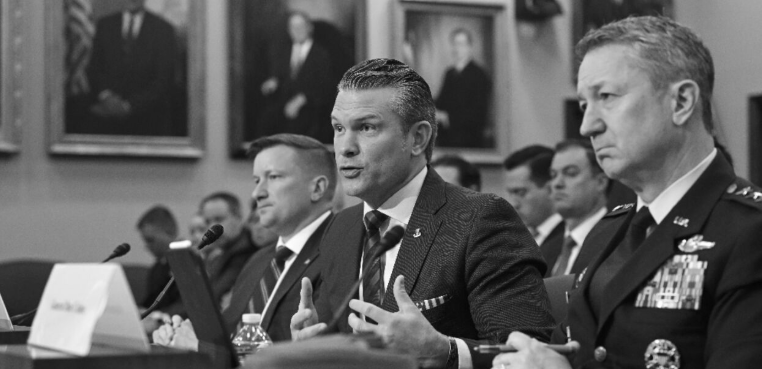
The numbers keep changing and never in the direction anyone hoped. Pete Hegseth told the Senate Appropriations Committee that the war against Iran has cost the Pentagon $37.5 billion to date, an $8.5 billion jump from the $29 billion figure the administration presented barely eight weeks earlier. And that was itself a climb from an even lower $25 billion estimate Pentagon officials gave in late April, with NBC News reporting the department's actual internal cost running as high as $80 to $100 billion. Back in March, a closed door briefing had pegged the damage at just over $11.3 billion for the first six days of fighting alone, a number that did not even count the military buildup before the first strikes. Every few weeks, apparently, the war gets a new sticker price, and it is never smaller.
Hegseth used the hearing to ask Congress for $67.1 billion more, on top of the $75 billion the department already holds from last year's $156 billion One Big Beautiful Bill windfall. The request breaks down into 21 billion dollars for munitions, 17.3 billion for operations, 12.1 billion for classified programs, 5.1 billion for cybersecurity, 2.4 billion for drones, 1.7 billion for readiness, 1.5 billion for fuel and 2 billion for what officials vaguely called administration priorities. The Pentagon's acting comptroller admitted the underlying estimate had not been updated since April and still excludes the cost of rebuilding damaged bases, which is a polite way of saying the real bill has not even been written yet.
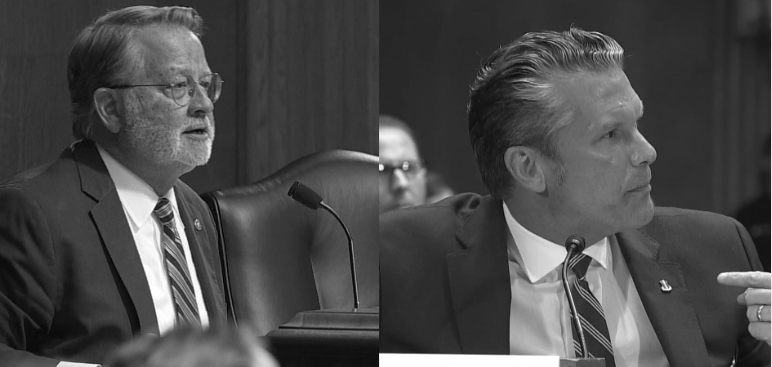
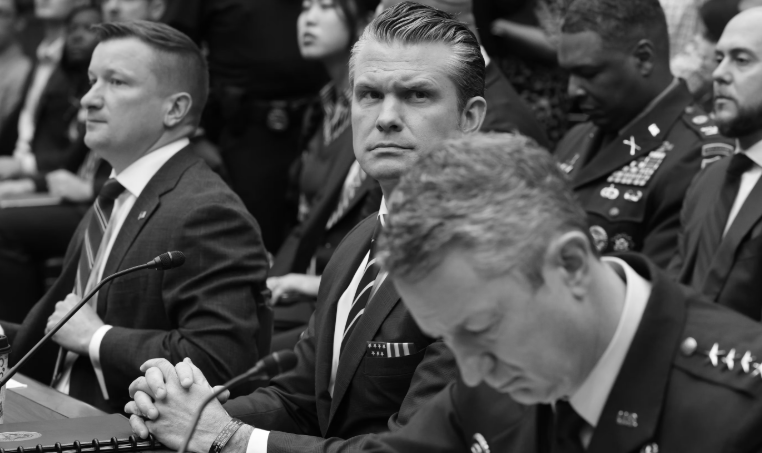
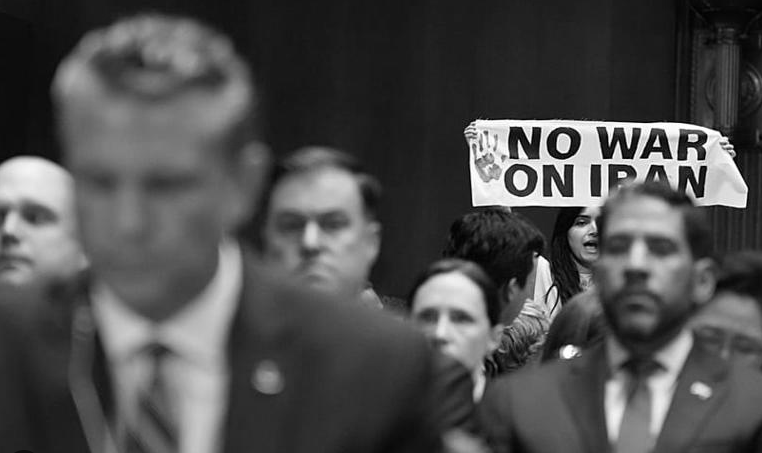
The hearing turned combative fast. Democrat Gary Peters of Michigan accused the administration of running the war without a strategy, prompting Hegseth to call the criticism reckless and irresponsible and accuse Peters of smearing the troops. Peters fired back that the failure belonged to the leaders sending troops into harm's way without a winning strategy, not to the men and women on the front line. Hegseth responded by accusing Democrats of political cowardice over funding. Senator Chris Van Hollen later wrote that the hearing confirmed the conflict is a war in search of a mission and said it must end now, while Representative Haley Stevens said Americans are paying the price for the war as costs keep rising. The session was also interrupted repeatedly by protesters, a fitting soundtrack for a war whose price tag rises faster than its justification.
While Washington argued over spreadsheets, the war itself kept spreading. Iran's Islamic Revolutionary Guard Corps has continued near nightly missile and drone strikes against American positions across the Gulf, hitting bases in Bahrain, Kuwait and Jordan, and in recent days extending attacks to Oman, Qatar and Syria as well. Kuwaiti authorities reported strikes starting fires at power and water plants, Jordan said it intercepted multiple incoming missiles, and Bahrain has repeatedly sounded air raid sirens. The fighting has also devastated shipping, with 14 merchant mariners killed in Strait of Hormuz attacks that Iran has called an unbreakable red line. On the American side, the human toll keeps climbing alongside the financial one, with the Pentagon reporting 18 service members killed and nearly 100 injured since the war began on February 28.