
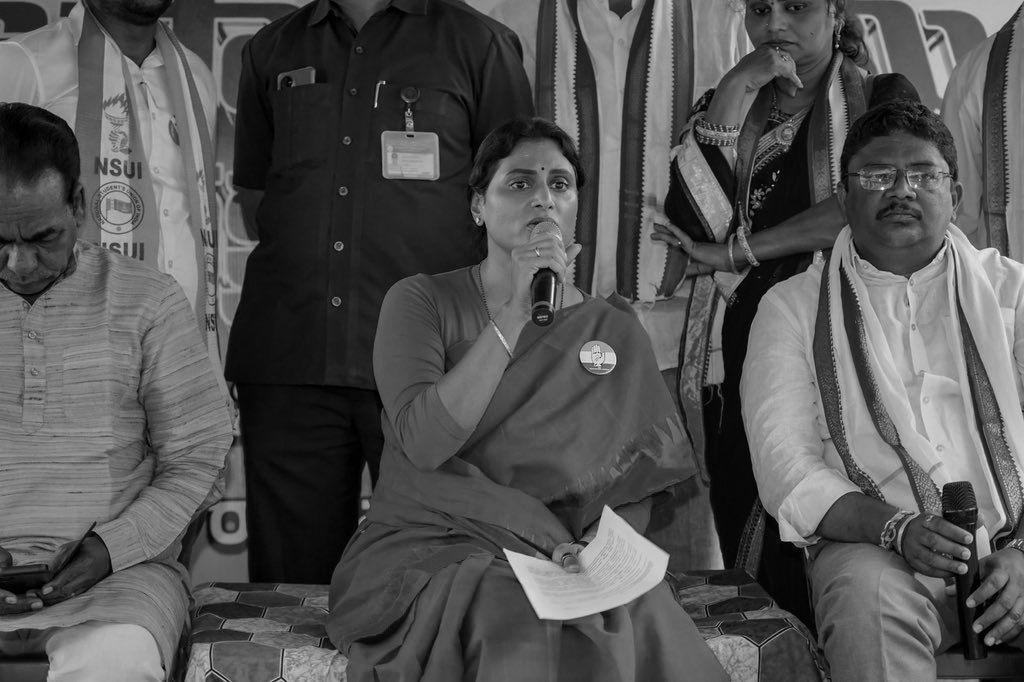
Y. S. Sharmila Slams Govt Over Aquaculture Distress Amid Fuel Shortage
A deepening fuel shortage in Andhra Pradesh has triggered a wide-ranging crisis, severely impacting aquaculture , agriculture , and transport sectors , while sparking a sharp political confrontation between the ruling government and the opposition. With diesel supplies dwindling , shrimp farmers central to the state’s export-driven aquaculture economy are among the worst affected.
Andhra Pradesh is India’s leading producer and exporter of farmed shrimp , supporting lakhs of livelihoods across coastal regions such as West Godavari, Krishna, and Nellore. The sector relies heavily on diesel-powered aerators that maintain oxygen levels in shrimp ponds. Even brief disruptions can lead to mass mortality , wiping out months of investment. With fuel availability falling sharply, farmers are struggling to keep systems operational, as many petrol stations display “no stock” boards and rationed sales .
Raising alarm, Andhra Pradesh Congress Committee president Y. S. Sharmila questioned the presence of “no stock” boards at nearly 3,000 petrol pumps , asking how such shortages could exist if supply was sufficient. She criticised the government led by N. Chandrababu Naidu for failing to provide clarity and accused it of administrative inaction as farmers faced mounting losses. Sharmila also targeted the Centre, questioning the role of the Bharatiya Janata Party and its commitment to the state.
The crisis has also drawn strong allegations from Y. S. Jagan Mohan Reddy, who claimed the shortage was artificially created through collusion between fuel dealers and ruling coalition leaders. He argued that fuel hoarding had disrupted supply, even as neighbouring states such as Tamil Nadu, Karnataka, and Telangana reported no such issues. He warned that the shortage is worsening hardship during the Rabi harvest season , where machinery requires large volumes of diesel daily.
Beyond the political exchanges, industry observers point to logistical disruptions and distribution inefficiencies as possible contributors. Fuel supply chains depend on coordination between oil marketing companies such as Indian Oil Corporation, Bharat Petroleum, and Hindustan Petroleum. Any delays in tanker movement or supply cycles can quickly translate into shortages at retail outlets, further aggravated by panic buying .
The impact is now spreading across the broader economy. Transport operators are facing rising costs and delays, raising concerns about essential commodity prices . In aquaculture, the consequences are immediate, with farmers reporting shrimp losses due to insufficient aeration, threatening both livelihoods and export commitments .
Amid mounting criticism, Chief Minister N. Chandrababu Naidu has directed officials to closely monitor fuel supplies and expedite distribution. According to official data, thousands of kilolitres of fuel are being dispatched daily, with authorities claiming a gradual return to normalcy . However, ground reports suggest that shortages persist in several regions, especially rural and coastal areas.
As the crisis unfolds, experts warn that swift and transparent intervention is critical to restoring supply chains and preventing further economic fallout . With livelihoods and key industries at stake, the fuel shortage has emerged as a major governance challenge for the state.