
WTO MC14 Ends Without Consensus on Key Digital Trade Moratorium
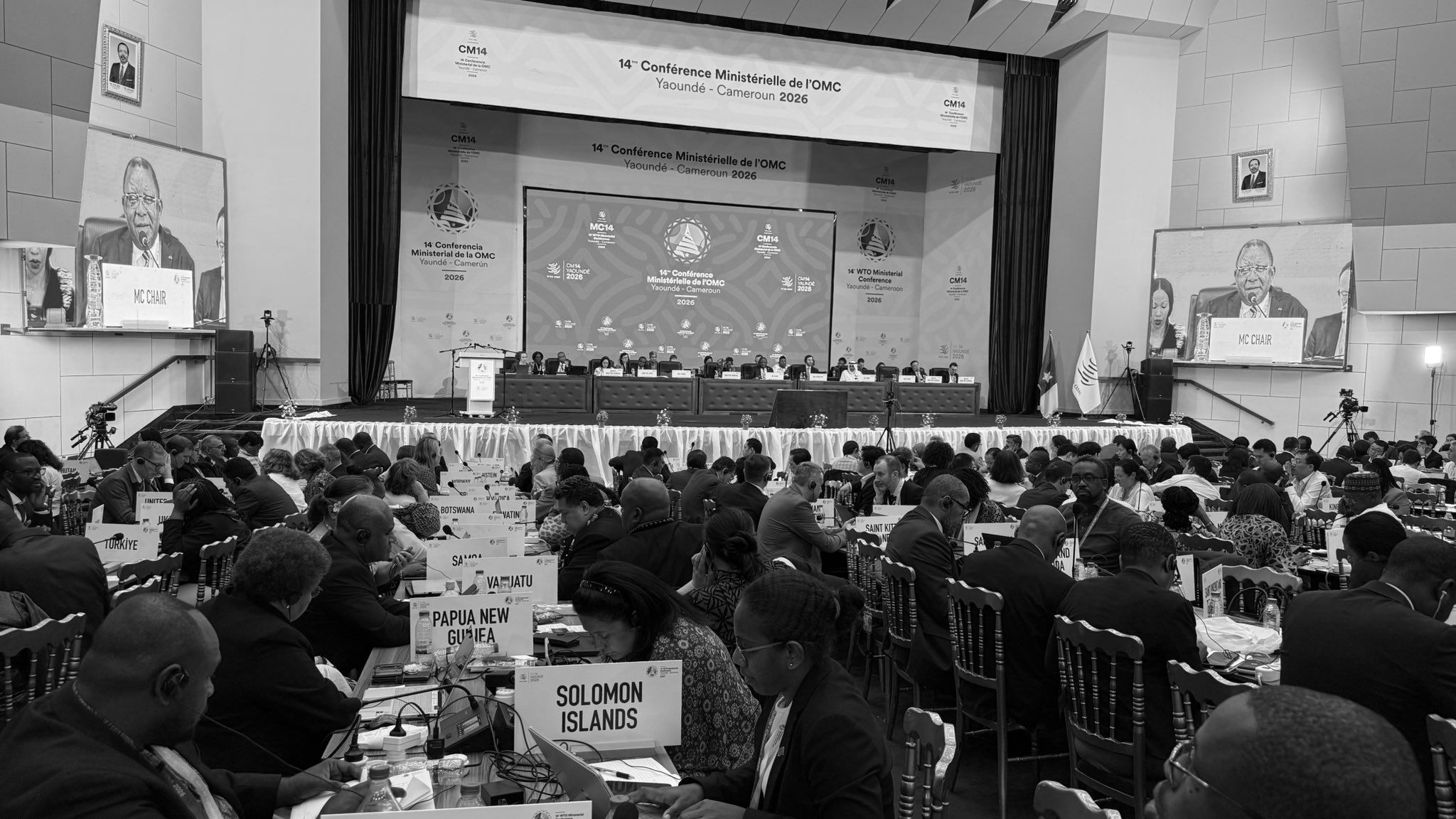
The 14th Ministerial Conference (MC14) of the World Trade Organisation (WTO) , held in Yaounde, Cameroon , ended without resolving one of the most contentious issues in global trade the future of the moratorium on customs duties for electronic transmissions . Despite four days of intense negotiations and last-minute efforts to bridge differences, member countries failed to reach a consensus, pushing the discussions to continue at the WTO headquarters in Geneva.
The moratorium, first introduced in 1998 , prevents countries from imposing tariffs on digital products and services such as movies, music, software, video games, e-books, and streaming platforms. While it was originally designed to support the growth of the nascent digital economy, the issue has become increasingly complex as global digital trade has expanded rapidly over the past two decades. The current extension, agreed upon at MC13 in Abu Dhabi in 2024 , is set to expire this month, adding urgency to the negotiations at MC14.
Deliberations in Yaounde exposed a deep divide between developed and developing economies . Countries like the United States pushed for a longer extension, potentially up to five years , arguing that a predictable, duty-free environment is essential for sustaining global digital trade and encouraging innovation. This position is supported by major digital economies that benefit from the seamless cross-border flow of data and services.
In contrast, India , along with several developing nations including Brazil , strongly resisted a long-term continuation. These countries either supported a short-term extension or opposed the moratorium altogether unless its broader implications were reassessed. The disagreement over duration ranging from no extension to two years versus a longer or permanent extension ultimately led to a negotiating deadlock.
India’s stance has been particularly significant in shaping the debate. New Delhi has consistently argued that the moratorium, in its current form, disadvantages developing economies by restricting their ability to tax a rapidly growing segment of trade. With increasing imports of digital content such as entertainment, software, and online services, India believes the policy results in substantial revenue losses , estimated at over USD 500 million annually , while developing countries collectively may be losing nearly USD 10 billion each year .
Beyond revenue concerns, India has highlighted issues of policy space and fairness , pointing out that the moratorium primarily benefits large multinational digital corporations while limiting the regulatory and fiscal flexibility of governments. It has also called for a comprehensive review of the moratorium’s long-term impact , rather than automatic extensions. Additionally, India stressed the importance of maintaining the WTO’s consensus-based decision-making process , opposing any attempts to push through outcomes without broad agreement.
Another reason for the lack of consensus was the complex negotiating environment at MC14 , where the e-commerce issue became intertwined with other unresolved matters such as WTO reforms and agriculture negotiations . With positions deeply entrenched and multiple issues competing for attention, negotiators were unable to arrive at a compromise before time ran out.
The failure to extend the moratorium has significant implications. If it lapses, countries will, for the first time in decades, have the ability to impose customs duties on digital transactions , potentially reshaping the economics of global e-commerce. This could affect major digital companies such as Amazon and Netflix , while also giving governments new tools to regulate and tax digital imports.
Despite the stalemate on e-commerce, the conference did see limited progress in other areas . Members agreed to continue negotiations on fisheries subsidies , with the aim of achieving comprehensive rules at the next Ministerial Conference (MC15). Decisions were also adopted to improve the participation of small economies in global trade and to strengthen the implementation of special and differential treatment provisions in key trade agreements.
Attended by nearly 2,000 delegates , including over 90 ministers , MC14 marked only the second time the WTO’s top decision-making body met in Africa. However, the inability to resolve the e-commerce dispute has underscored the growing challenges facing the organisation in balancing the interests of developed and developing nations in an increasingly digital global economy.
As negotiations now shift to Geneva, the outcome will be crucial. The decision on the moratorium will not only determine whether countries can begin taxing digital trade, but also shape the future direction of global trade governance in the digital age .