
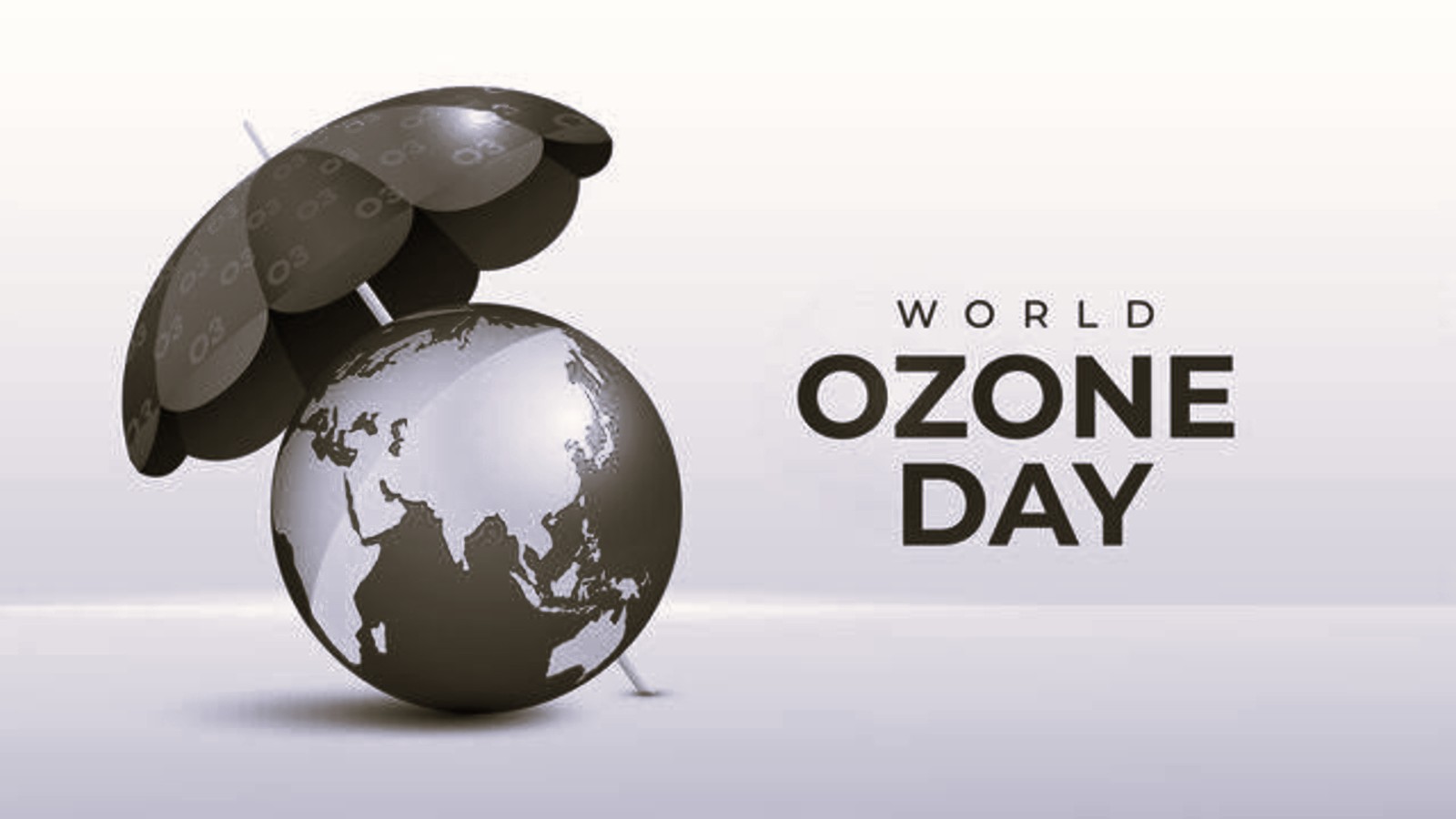
World Ozone Day - India achieves major HCFC cut
On Tuesday, Union Environment Minister Bhupender Yadav shared some encouraging news about India’s efforts to protect the ozone layer. Speaking in a video message for World Ozone Day, he said India has successfully achieved 67.5% of its target to phase out hydrochlorofluorocarbons (HCFCs) in production and consumption for controlled applications - well ahead of schedule under the Montreal Protocol (an international agreement where countries promised to stop using chemicals that harm the ozone layer, like CFCs and HCFCs).
The minister highlighted that the global treaty has already helped eliminate 99% of ozone-depleting substances worldwide, allowing the ozone layer to gradually heal. “The ozone layer is on its way to recovery and is expected to return to pre-1980 levels by around 2050,” he said.
HCFCs, commonly used in refrigeration, air conditioning, firefighting foams, and aerosols, have been harmful to both human health and the environment. By phasing them out, India and the world are reducing risks from harmful ultraviolet radiation.
Yadav emphasized that addressing India’s growing demand for cooling is both a challenge and an opportunity. India was one of the first countries to adopt a comprehensive cooling action plan, showcasing strong collaboration between ministries and sectors. The plan outlines practical ways to provide sustainable cooling solutions while minimizing negative environmental impacts.
The ministry is also focusing on the development of next-generation refrigerants and cooling appliances that have low global warming potential. To support this, they are partnering with eight Indian Institutes of Technology to promote research and build a strong R&D ecosystem.
“World Ozone Day is a moment to celebrate the successes of the Montreal Protocol and reflect on the progress we’ve made,” Yadav said. He urged governments, organizations, and individuals to continue working tirelessly to safeguard the ozone layer, reminding everyone that even small actions contribute to a healthier planet.
India’s early achievement in phasing out HCFCs is a testament to the country’s commitment to environmental protection and sustainable development. With ongoing efforts in research, innovation, and policy, the country is not only contributing to global environmental goals but also preparing to meet the cooling needs of its citizens in an eco-friendly way.