
World looks away as Cuba blacks out as Trump and Rubio continue to strangle Cuba
Cuba is going dark and much of the world is looking away.
A devastating 29-hour nationwide blackout has exposed the full scale of the island’s collapse, with millions plunged into darkness as a deepening fuel crisis cripples an already fragile power grid. Even after electricity was partially restored, only a fraction of Havana had power, underlining a system on the brink.
But this is not just a story of failing infrastructure. It is a story of pressure sustained, escalating, and unmistakably political.
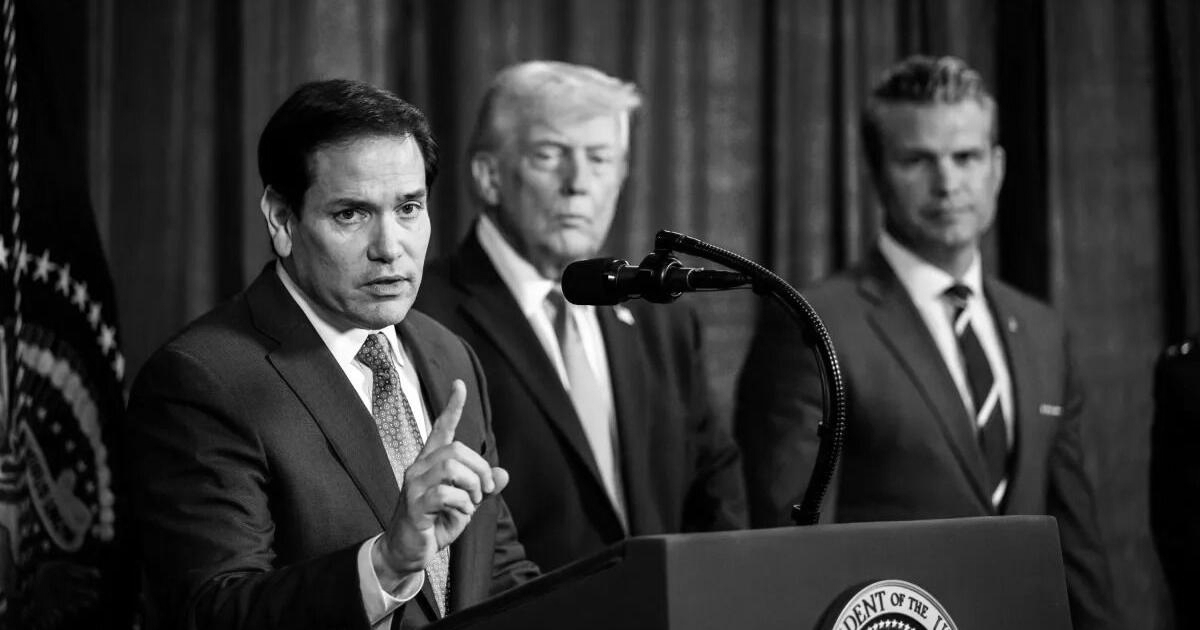
In Washington, President Donald Trump and Secretary of State Marco Rubio have intensified their campaign against Havana, openly calling for a change in leadership while tightening economic screws. Trump has suggested imminent action, even hinting he could “take” Cuba, while Rubio insists the island’s system “cannot be fixed” without dramatic change.
Behind the rhetoric lies a harsher reality: an expanding U.S. oil blockade that has choked off fuel supplies, worsened by the disruption of Venezuela’s support historically Cuba’s lifeline. With little fuel entering the island for months , thermoelectric plants are failing, and blackouts are becoming routine.
The consequences are humanitarian.
Hospitals are strained, water systems are faltering, and food supplies are rotting in homes without refrigeration. Critical infrastructure including water pumping systems depends heavily on electricity now in short supply.
On the streets, frustration is spilling over. Protests have erupted over power cuts and shortages , with arrests reported and government buildings targeted in anger.
Cuba’s leadership remains defiant. President Miguel Díaz-Canel has vowed “impregnable resistance,” accusing the United States of attempting to suffocate the island into submission.
Yet internationally, response has been muted. Apart from travel advisories warning of collapsing infrastructure and prolonged outages, there has been little coordinated global intervention.
Cuba today stands at the intersection of economic collapse and geopolitical pressure . The lights may flicker back on, but the crisis runs far deeper and with Washington tightening its grip, the darkness may only grow longer.