
World Leaders In Asia! Modi, Trump, Xi And Putin Converge For ASEAN, Quad And APEC Summits
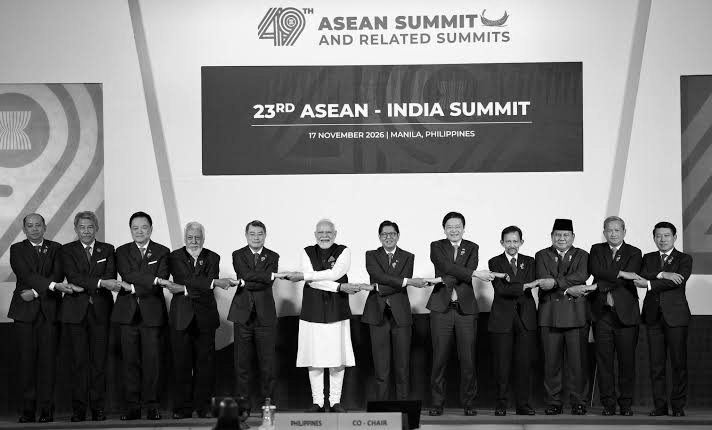
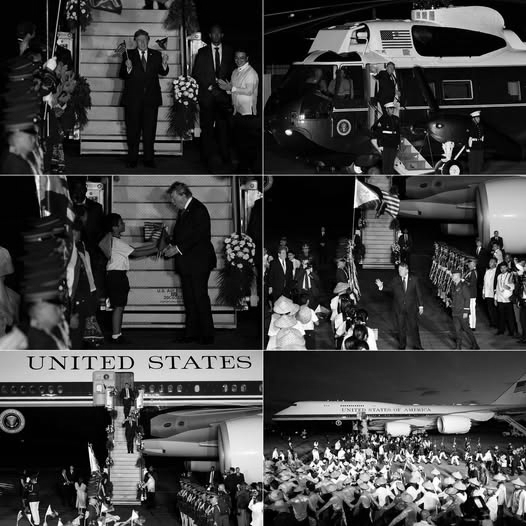
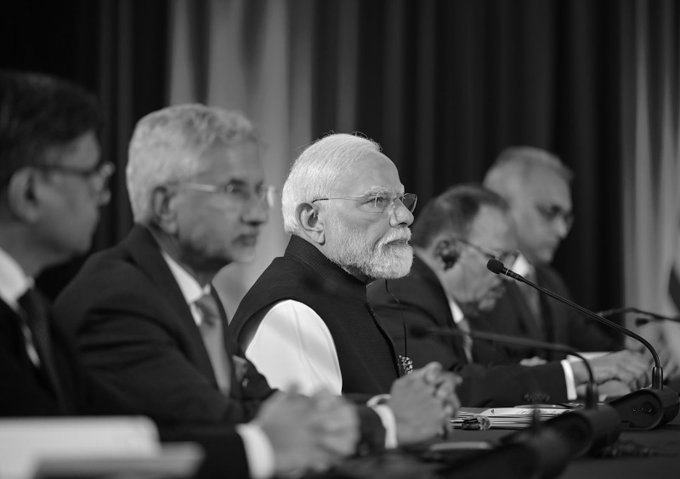
Asia has become the centre of an important diplomatic moment, with several world leaders converging on the region for two major international gatherings. Indian Prime Minister Narendra Modi is in Manila, the capital of the Philippines, for the ASEAN summit, while US President Donald Trump has also arrived in the city before travelling to Shenzhen in China. Chinese President Xi Jinping is hosting world leaders there, including Canadian Prime Minister Mark Carney, with Russian President Vladimir Putin also expected to join them. The meetings come at a time of growing trade tensions, geopolitical rivalries and questions over the future international order.
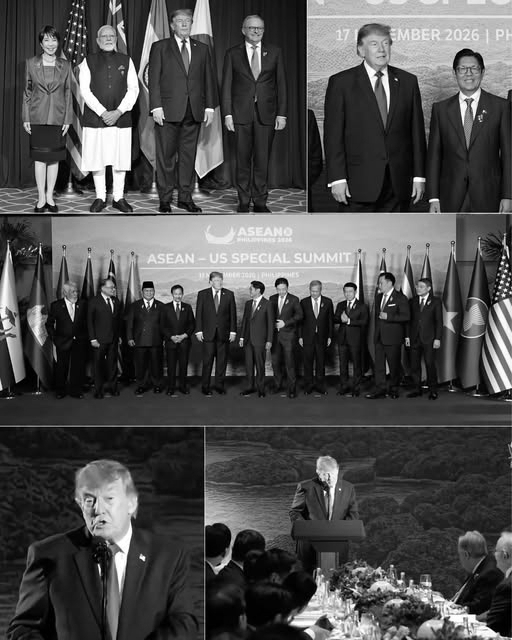
The first major gathering is the Association of Southeast Asian Nations (ASEAN) summit in Manila. ASEAN is a grouping of 11 Southeast Asian countries (Brunei, Cambodia, Indonesia, Laos, Malaysia, Myanmar, the Philippines, Singapore, Thailand, Timor-Leste and Vietnam) that collectively represent a significant economic market, making the region important for countries seeking to expand their trade and strategic partnerships. Although India is not a member, the grouping holds particular importance for New Delhi because Southeast Asia is central to its Act East policy.
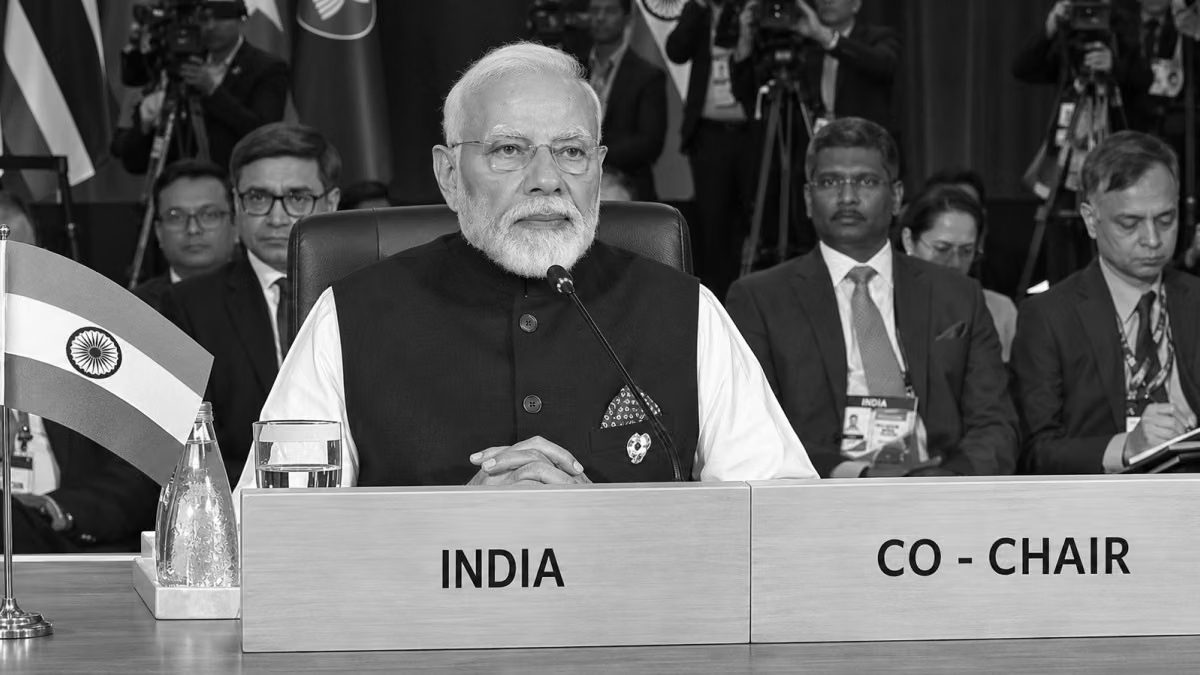
Addressing the summit, Modi highlighted the importance of cooperation amid multiple global crises. He said the world needed peace, stability and predictability, adding that this year's theme, ' Navigating a Future Together ', carried particular significance. He also stressed that India's development and ASEAN's prosperity were closely connected and that the future of India-ASEAN relations should be shaped by cooperation rather than competition.
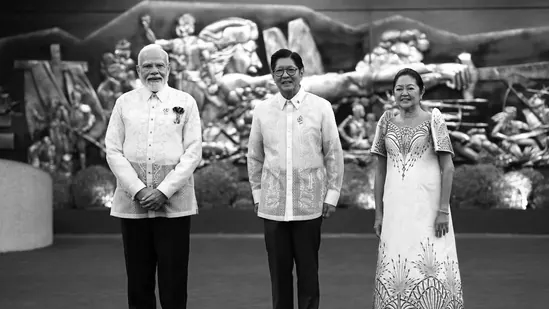
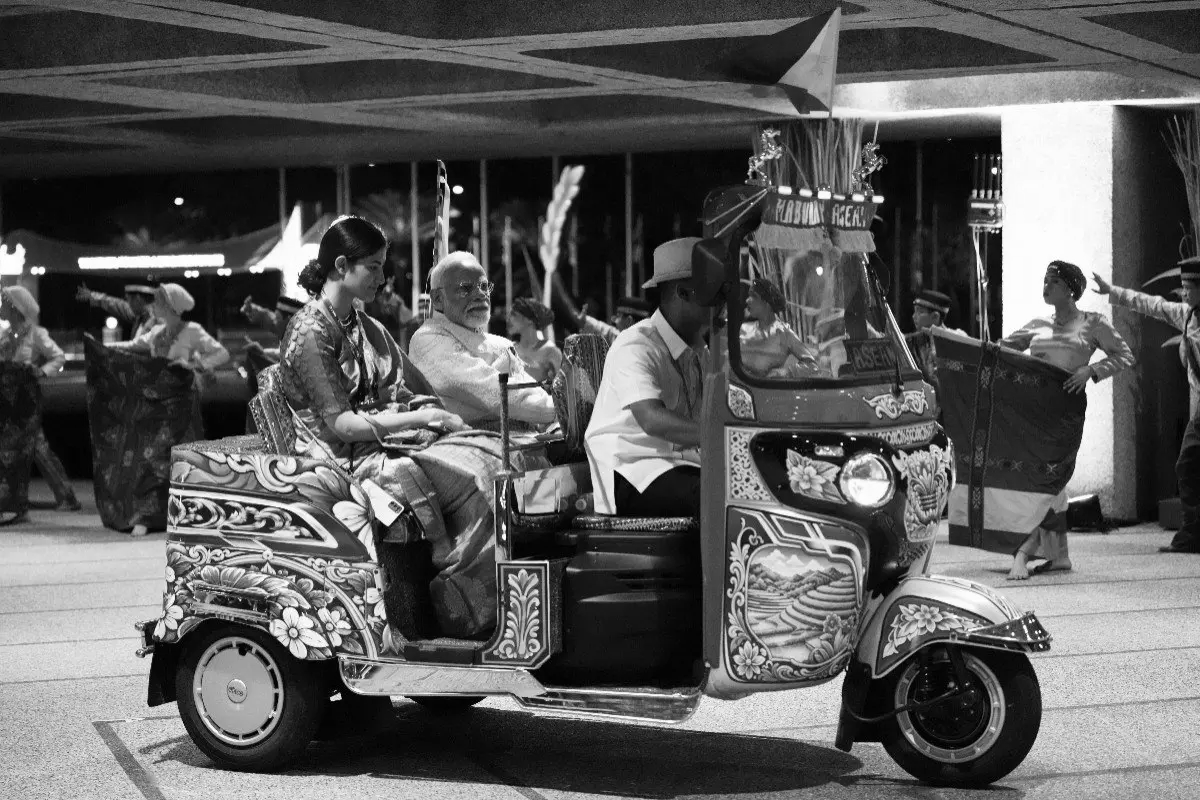
Modi received a grand welcome in Manila and attended a gala dinner with other world leaders. He wore the traditional Filipino Barong Tagalog, the country's formal national attire for men. He also took a ride in an Auto, or tuk-tuk, a familiar sight on Philippine roads. The vehicle had an Indian connection, however, as it was a specially modified Bajaj Auto three-wheeler.
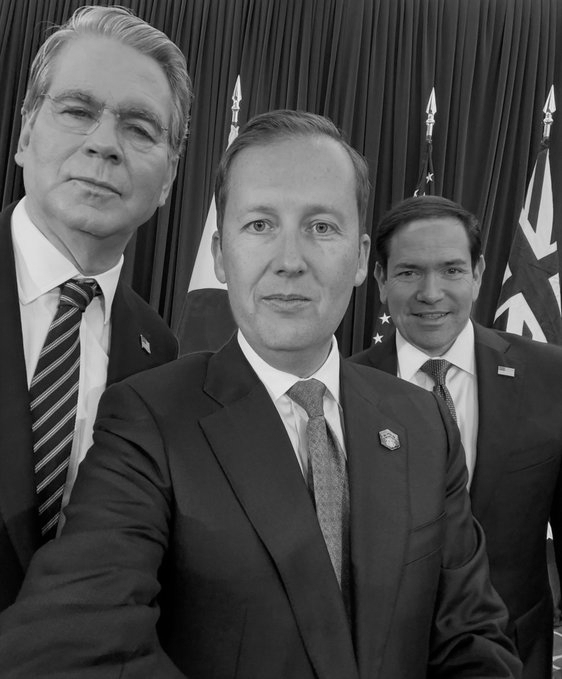
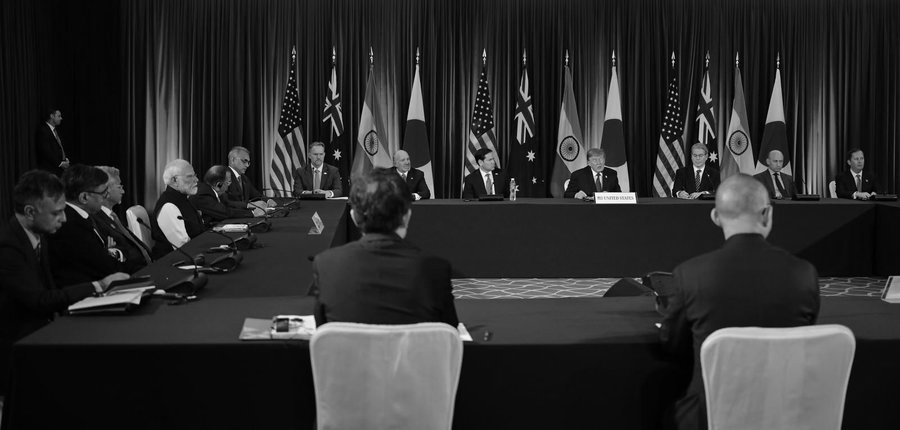
Trump's arrival in Manila brought another important diplomatic development into focus: the Quad summit. The grouping comprises India, the United States, Japan and Australia and is an informal strategic partnership focused on cooperation across the Indo-Pacific. It is often viewed in the context of China's growing influence in the region, although its members describe it as a partnership for regional stability and cooperation.
Modi, Japanese Prime Minister Sanae Takaichi and Australian Prime Minister Anthony Albanese joined Trump for the meeting on November 17. It was the first Quad leaders' summit during Trump's second presidency and the first to be held outside the four member countries. The previous leaders' meeting took place in the United States in 2024. India was expected to host the next summit in 2025, but the meeting did not take place as planned.
The discussions covered maritime security, critical minerals, supply-chain resilience, emerging technologies and disaster response. The countries also discussed arrangements to strengthen critical-mineral supply chains and reduce dependence on individual foreign suppliers. The meeting carried an important strategic message ahead of Trump's expected discussions with Xi: engagement between Washington and Beijing does not mean the United States is stepping back from its Indo-Pacific partnerships.
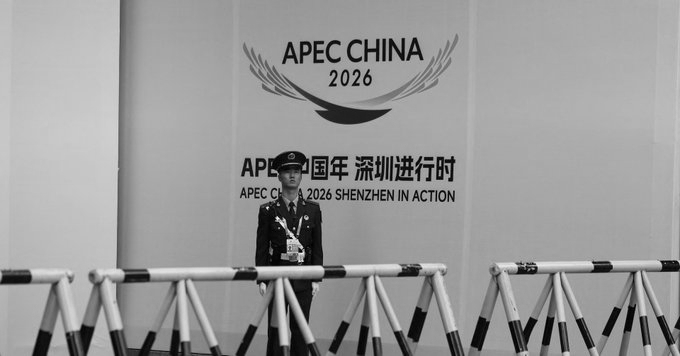
The second major gathering is the Asia-Pacific Economic Cooperation (APEC) summit in Shenzhen, China. APEC brings together 21 economies around the Pacific, including the United States, China, Japan, Canada, Australia and Russia, with a focus on economic cooperation.
The choice of Shenzhen as the host city is significant. A few decades ago, it was a relatively small fishing town. Today, it is one of China's biggest technology and manufacturing centres, home to major companies such as Huawei, Tencent and BYD. Beijing wants the international community to see Shenzhen as evidence of what China's economic development model can achieve.
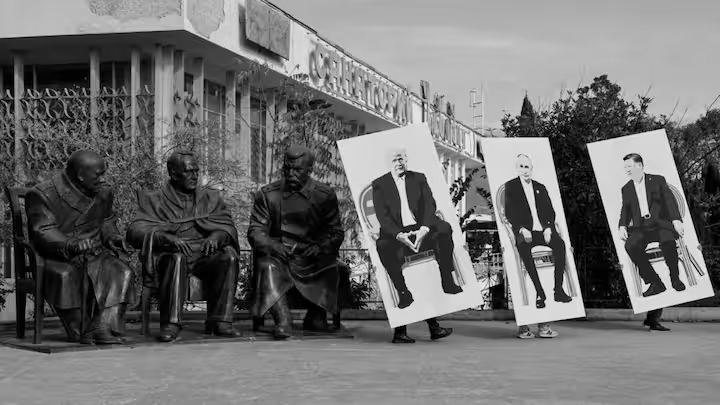
The most closely watched development is the proposed trilateral meeting between Trump, Xi and Putin in Shenzhen, expected to bring together the leaders of three major powers with competing strategic interests. The gathering has already been compared to the 1945 Yalta Conference and dubbed 'Yalta 2.0'.
In February 1945, US President Franklin D Roosevelt, British Prime Minister Winston Churchill and Soviet leader Joseph Stalin met in Yalta, Crimea, as World War II approached its conclusion. With Nazi Germany nearing defeat, the three Allied leaders discussed the post-war settlement and the shape of the international order.
The expected agenda includes nuclear weapons, artificial intelligence, trade tensions and international security. However, the meeting should not automatically be expected to produce a major breakthrough, given the differences between the three countries.