
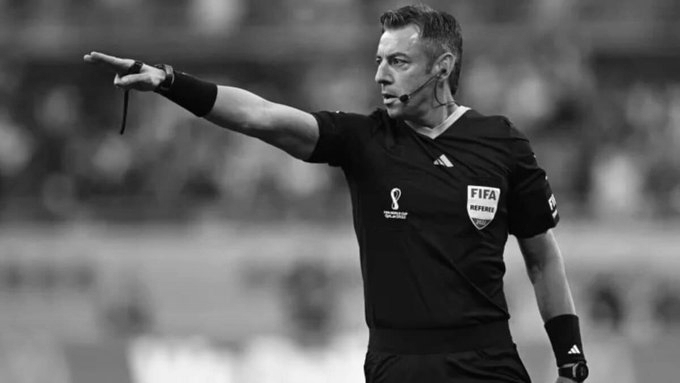
World Cup 2026 to Move Faster as FIFA Unveils Tough New Refereeing Directives
With less than two weeks remaining before the start of the biggest FIFA World Cup in history, the governing body has announced a series of strict refereeing directives aimed at ensuring faster matches, reducing time-wasting , and improving discipline throughout the tournament.
The expanded 48-team World Cup , to be hosted by the United States, Canada and Mexico , is expected to be the largest football event ever staged. Ahead of the competition, FIFA has instructed referees to place a major emphasis on maintaining the tempo of matches and minimising unnecessary interruptions.
Speaking about the changes, FIFA's chief refereeing officer Pierluigi Collina said the organisation remains committed to eliminating disruptions that slow down the game. The goal, he explained, is to maximise effective playing time and deliver a better spectacle for players, coaches and supporters.
One of the most notable measures involves a visible five-second countdown for goal kicks and throw-ins. Referees will have the authority to enforce quicker restarts, with teams risking the loss of possession if they fail to put the ball back into play within the allotted time. A delayed goal kick could result in a corner kick being awarded to the opposition, while a delayed throw-in may be handed to the opposing side.
FIFA is also tightening rules surrounding player behaviour. Footballers who leave the field in anger after disputing a referee's decision could face a red card . Another significant clarification concerns players who deliberately cover their mouths during confrontational exchanges with opponents. Referees have been instructed to treat such actions seriously, with red cards possible if the conversation is deemed hostile or inappropriate. Friendly conversations, however, will not be penalised.
Changes have also been introduced to the Video Assistant Referee (VAR) system. VAR officials will have clearer authority to intervene in cases involving mistaken identity, incorrect second yellow cards leading to dismissals, and wrongly awarded corner kicks. FIFA has also clarified procedures regarding attacking infringements before corners and free kicks that directly influence goals, penalties or disciplinary sanctions.
Despite the push for quicker football, matches may not necessarily become shorter. FIFA has confirmed that every World Cup game will feature three-minute water breaks midway through each half to protect player welfare.