
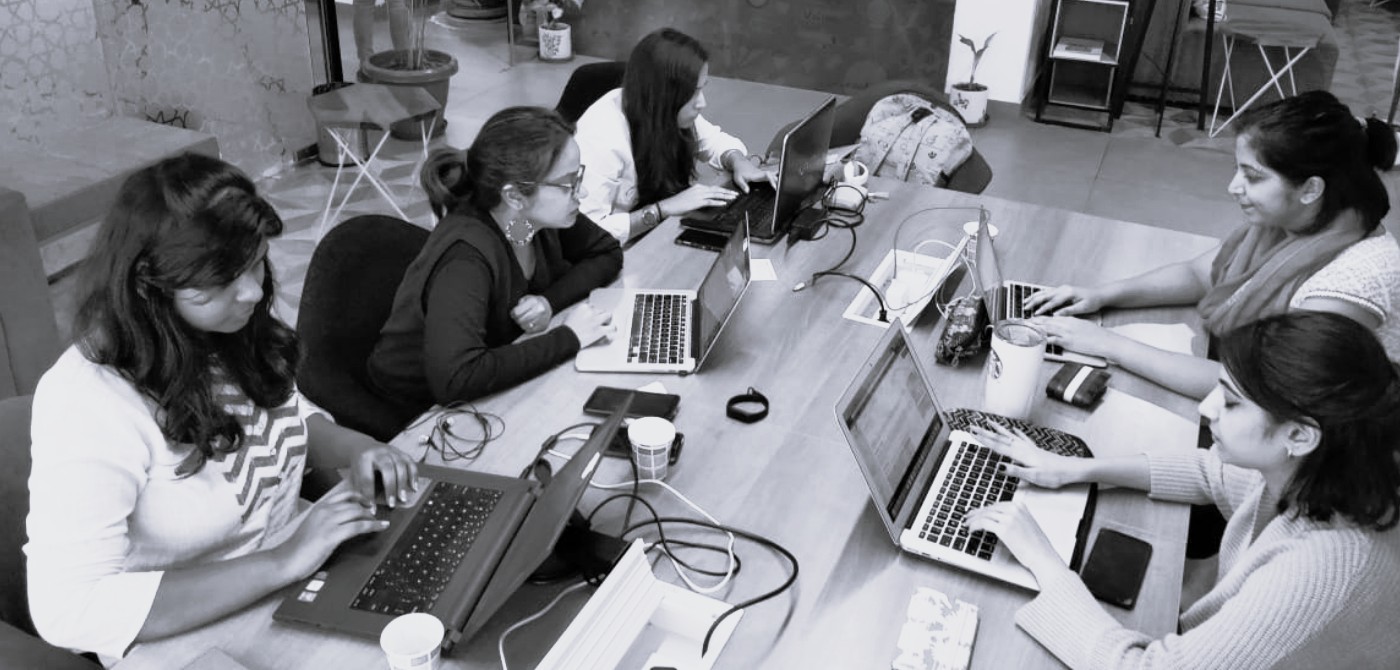
Women at work: Addressing Mental, Physical, and Nutritional wellness
Working women today face a complex balance of managing professional responsibilities, household chores, and social commitments, which significantly impacts their health and well-being. Achieving equilibrium between these roles is challenging due to factors including excessive work pressure, inadequate rest, and nutritional deficiencies. These conditions often lead to a variety of health problems that extend their effects beyond the individual to influence family health and societal productivity.
Mental health is among the primary concerns for working women. The continuous stress resulting from workplace demands combined with family responsibilities can lead to serious conditions like depression, anxiety, and insomnia. According to recent studies, mental health challenges are prevalent among working women, with roughly one in five experiencing significant mental health issues during pregnancy or other reproductive phases. Moreover, women are nearly twice as likely as men to face major depression, highlighting the gendered nature of mental health concerns in the workforce.
Physical ailments are also common. Prolonged sitting, a frequent consequence of desk jobs, contributes to issues such as back pain, knee problems, and poor blood circulation. The extensive use of computers and laptops causes eye strain and can lead to hypertension. In addition, many women suffer from nutritional deficiencies, particularly in iron, vitamin D, and calcium, largely due to missed meals and reliance on processed or fast food. Nutritional gaps often manifest as fatigue, fever, hormonal imbalances, and can exacerbate other health conditions.
Maternal health presents another critical area of concern. Working women often face fertility and pregnancy challenges linked to hormonal imbalances, irregular lifestyles, and workplace stress. Studies reveal that reproductive health struggles, including endometriosis and other conditions, significantly impair women's ability to work and affect their economic opportunities. Women constitute a high percentage of the reproductive-age workforce and require comprehensive support for fertility, pregnancy, and postpartum care.
Nutrition plays a pivotal role in addressing these health challenges. A strategic focus on iron- and folate-rich foods such as green leafy vegetables, dates, jaggery, whole grains, and lentils is essential to combat anemia, a widespread issue among Indian working women. Combining these with vitamin C-rich fruits like lemons and oranges enhances iron absorption. Skipping breakfast is discouraged, as a protein-rich breakfast including eggs, sprouts, milk, yogurt, or traditional dishes such as poha and upma helps maintain energy levels and prevents unhealthy snacking.
Hydration is equally important, with a recommendation of 8-10 glasses of water daily to counter dehydration, which can mimic fatigue. Smart snacking involves choosing nuts, seeds, fruits, or roasted chickpeas over processed foods, while portion control and limiting high-sugar and high-salt processed foods support overall health.
Incorporating physical activity into daily routines is crucial. Women are encouraged to engage in at least 30 minutes of moderate exercise such as brisk walking, yoga, or gym workouts. Avoiding prolonged sedentary periods by standing, stretching, or walking briefly every hour helps prevent musculoskeletal discomfort. Even commuting time can be utilized for walking or cycling, with a preference for standing over sitting in public transport when possible.
Mental health management strategies include setting boundaries to avoid overcommitment, protecting personal time, scheduling daily "me time" for relaxation activities like reading, music, meditation, or hobbies, and prioritizing quality sleep. Women should aim for 7-8 hours of restful sleep, adopting bedtime routines that reduce screen exposure and promote relaxation.
Regular health screenings are vital for early detection and management of common health issues. Annual physical exams should monitor blood pressure, blood sugar, and anemia markers. Hormonal and vitamin level assessments, particularly thyroid, vitamin D, and B12, are recommended due to their prevalence and impact on energy and mood. Gynecological health includes self-examinations, clinical breast exams or mammograms for women over 40, cervical cancer screenings through Pap smears, and bone density tests for postmenopausal women to check for osteoporosis.
Ergonomics at the workplace play a significant role in preventing chronic pain. Proper chair support, correct foot placement, elbow angle, and screen positioning can minimize strain and discomfort during long hours of desk work. Social support systems within families and workplaces help mitigate stress. Open communication about health concerns and advocating for supportive organizational cultures are encouraged. Women facing persistent stress should seek professional help from counselors or clinical psychologists.
Despite these multiple demands, working women continue to contribute significantly to society, balancing professional and personal life bravely. Maintaining health through proper nutrition, physical activity, mental well-being, regular screenings, and social support is essential for sustaining their strength and fulfilling roles. Ultimately, health is the greatest wealth, and a healthy woman is indeed the cornerstone of a thriving society. This comprehensive approach aligns with global data indicating that working women experience a range of health challenges unique to their gender and societal roles, and addressing these with targeted interventions can improve individual outcomes and workforce productivity significantly.