
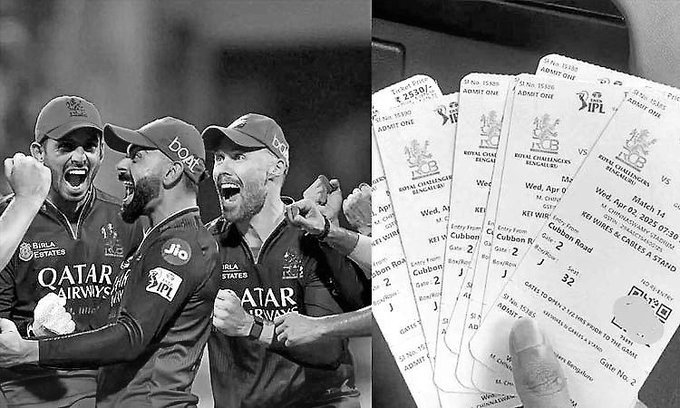
Wishes granted, just not yours: Karnataka MLAs secure free IPL tickets straight from the Assembly
When voters send their representatives to the legislature, they do so with a simple, unspoken contract, govern wisely, and serve the public good . Karnataka's latest political controversy suggests that the contract is being stretched thin over a cricket seat.
Deputy Chief Minister D. K. Shivakumar recently announced that each Member of the Legislative Assembly would receive three complimentary IPL match tickets , with two additional passes available for international fixtures, and the option to purchase two more. The arrangement, he explained, emerged from discussions between the state government, the Karnataka State Cricket Association, and representatives of the Royal Challengers Bengaluru franchise, after several legislators complained about difficulties accessing tickets for Bengaluru matches. Shivakumar was quick to add that acceptance would be voluntary, legislators unwilling to participate could simply notify authorities in writing.
Critics were swift and pointed. Many questioned how elected officials could sit in government chambers debating cricket tickets while citizens wrestle with unemployment, infrastructure decay, and rising costs of living . One commentator captured the public mood bluntly, calling it "literally the worst thing a politician can ask for." The observation cuts deep, not because cricket is trivial, but because the spectacle of legislators lobbying for sporting privileges signals a dangerous disconnection from everyday reality.
Officials attempted damage control by clarifying that the passes would be drawn from the cricket association's complimentary quota, the allocation traditionally reserved for sponsors, officials, and guests. However, critics rightly pointed out that these seats represent lost revenue and denied opportunities for ordinary fans who pay full price. A more dignified alternative would have been redirecting that quota to underprivileged fans or schoolchildren, a gesture that would have earned goodwill rather than ridicule. Notably, no legislator publicly demanded better schools, hospitals, or roads with the same urgency they reserved for cricket seats, perhaps the most damning indictment of all.
The episode also reignited long-running concerns about politics and cricket's unhealthy entanglement in India, where high-profile tournaments increasingly attract political grandstanding alongside sporting drama. This is hardly new, from VVIP aircraft misuse to taxpayer-funded foreign trips, Karnataka's lawmakers have form when it comes to privilege controversies.
The government may call this routine. The public, unmistakably, calls it tone-deaf.