
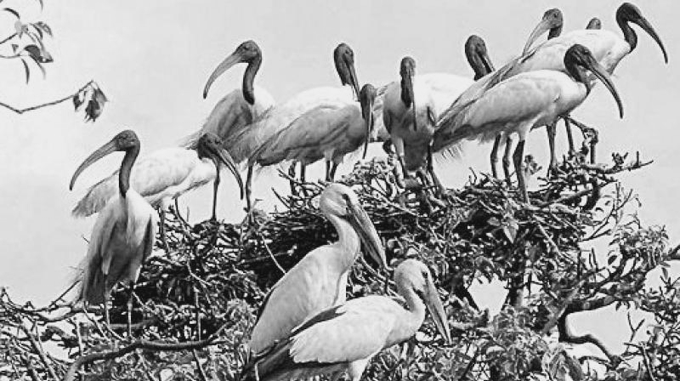
Winter Migratory Birds Start Return from Odisha’s Bhitarkanika to Himalayas
Millions of migratory birds travel thousands of kilometres every year, crossing continents to escape harsh winters and find suitable breeding grounds. These long-distance travellers follow well-established aerial routes, called flyways , which connect breeding and wintering habitats across the globe.
Bird migration is primarily driven by seasonal changes, food availability, and breeding requirements. Many species from northern Asia, Europe, and Siberia fly southward during the winter months, finding refuge in warmer regions, including India , which lies in the path of several key flyways. Among the most significant are the Central Asian Flyway , the East Asian–Australasian Flyway , and the West Asian–East African Flyway , which together support millions of migratory birds, including waterfowl, shorebirds, and raptors.
India plays a pivotal role in the Central Asian Flyway , hosting diverse wetlands, mangroves, and coastal habitats that act as stopover and wintering sites. Iconic sites such as Bhitarkanika and Chilika in Odisha, Keoladeo Ghana in Rajasthan, and Sunderbans in West Bengal see huge influxes of species like bar-headed geese, pintails, wigeons, and raptors every winter. Over 1.5 lakh birds from more than 100 species were recorded at Bhitarkanika this year alone, highlighting India’s critical role in global bird migration.
The migratory pattern generally sees birds departing from northern breeding grounds in September–November , reaching southern wintering habitats in India by November–December , and returning northward in February–March . Many birds rely on a network of wetlands along their route for rest and refuelling, making the protection of these ecosystems vital. Conservation initiatives, anti-poaching measures, and habitat restoration have helped maintain safe passage for these feathered travellers.
With climate change, habitat loss, and human interference affecting migratory routes globally, India’s wetlands and forested areas continue to be lifelines for migratory birds, ensuring that these natural marvels can continue their incredible journeys for generations to come.