
Will Spain’s Las Palmas Become Safe Haven For Hantavirus-Hit Luxury Cruise?
A luxury cruise voyage has spiralled into a medical emergency , leaving three people dead , several others ill, and an entire ship stranded at sea near Cape Verde. Now, with Cape Verde refusing entry , attention has shifted to Spain’s Canary Islands , particularly Las Palmas , as a possible rescue point for a ship caught in a worsening hantavirus crisis .
What sounds like a plot from a thriller is unfolding in real time, with a rare but potentially deadly virus at the centre of the crisis: Hantavirus.
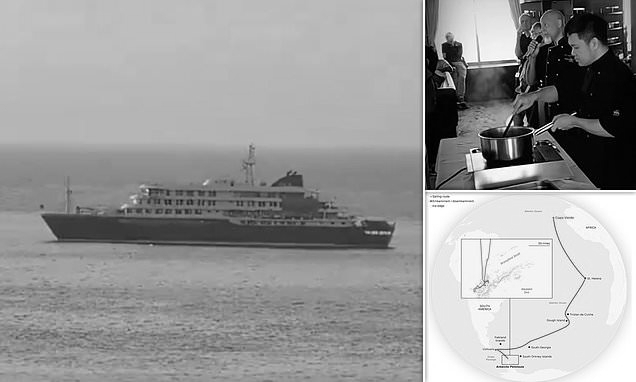
The situation began aboard a Dutch cruise ship that had set sail from Argentina on a polar expedition , travelling through Antarctica and remote island regions. Around 150 passengers were on board, most from Europe and the United States . The journey took a troubling turn when passengers began falling ill with symptoms resembling the flu , including fever, fatigue, and body aches , before the situation rapidly escalated.
A 70-year-old Dutch passenger died on board. Shortly after, his wife collapsed at an airport in Johannesburg, where she later died . A German national has also died , while several others remain sick . A British passenger has tested positive , with five more suspected cases awaiting confirmation. Two crew members are reported to require urgent medical care .
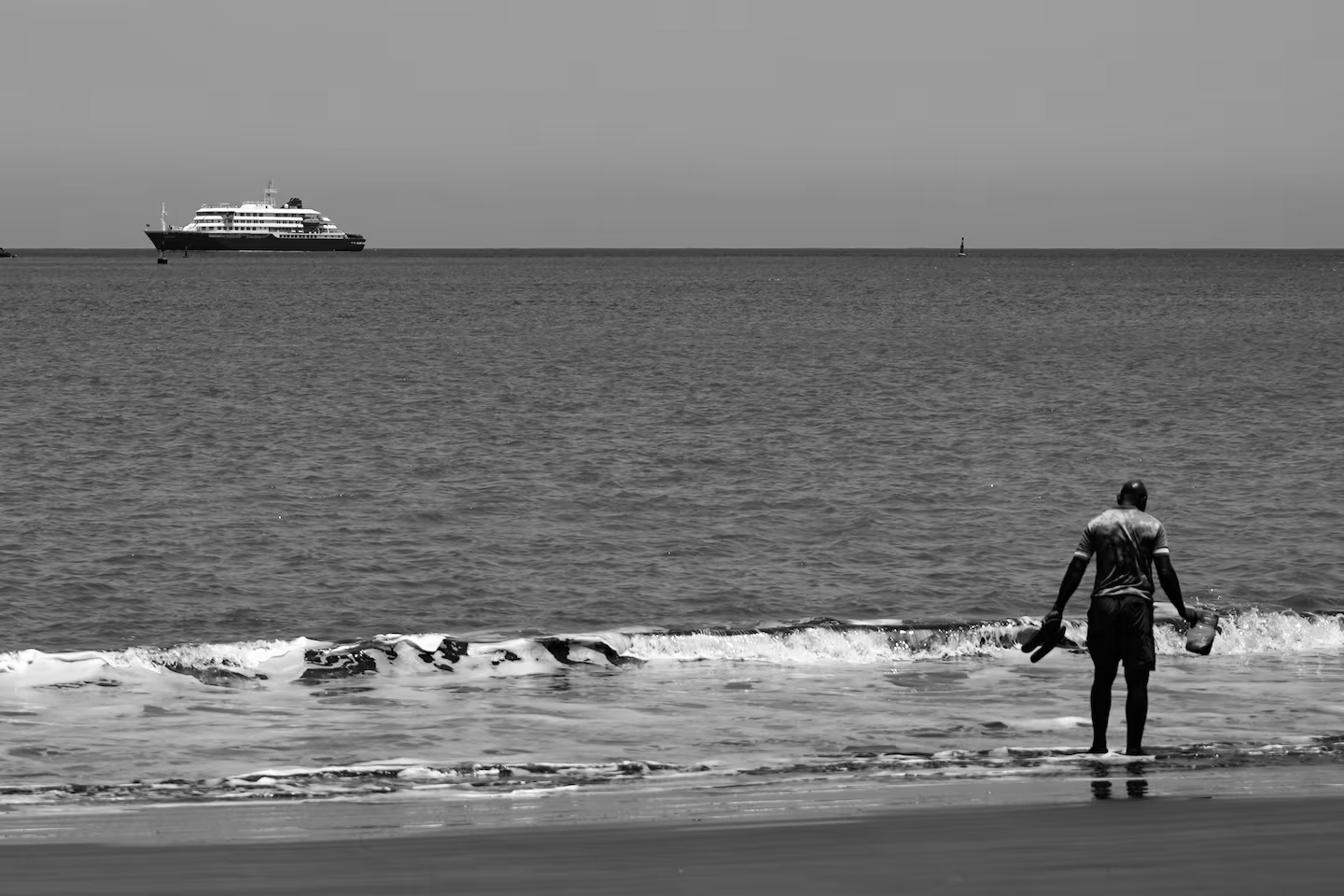
Despite the growing emergency, the ship has not been allowed to dock . Authorities in Cape Verde have denied passengers permission to disembark , citing the need to protect their population . Their stance is clear: no entry, no contact, no risk .
This is where Spain enters the picture . Ports in the Canary Islands , especially Las Palmas , are being considered as a possible place where the ship could dock or where passengers could be evacuated for treatment . However, Spanish authorities have not yet granted permission , and discussions are still ongoing. For now, the option remains under consideration, not confirmation .
The hantavirus, while rare, is not new . Found globally, it is typically carried by rodents such as rats and mice . The virus spreads through contact with rodent droppings, urine, or contaminated dust . Initial symptoms often resemble a common flu but can quickly worsen. In severe cases, the lungs may fill with fluid , breathing becomes difficult , and organ failure can occur. Fatality rates in such cases can reach around 40 percent . There is no specific cure , and treatment is limited to supportive care such as oxygen therapy and intensive monitoring .
Importantly, human-to-human transmission is extremely rare . The World Health Organization has stated that the broader risk to the public remains low and that there is no need for travel restrictions . However, local authorities are exercising caution .
The ship remains anchored near Cape Verde , with passengers isolated on board as investigations continue to determine the source of the outbreak . The situation underscores the unique risks posed by cruise ships , where large numbers of people share confined spaces while moving rapidly across international borders .
Similar challenges were seen during the COVID-19 pandemic, when several cruise ships became hotspots for infection , leading to quarantines at sea and complex evacuation efforts . While this current outbreak differs significantly in transmission and risk profile , the logistical challenges remain familiar : coordination, medical response, and timely decision-making .