
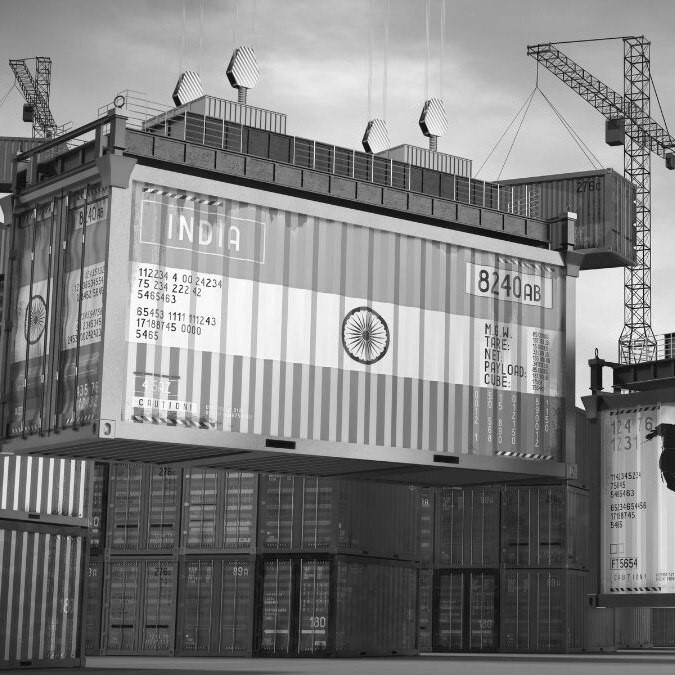
Why India Walked Away from RCEP: Trade Deficits, Cheap Imports and Industry Concerns
India stayed out of the Regional Comprehensive Economic Partnership (RCEP) in November 2019, citing trade deficits, cheaper imports and weak safeguards. Finance Minister Nirmala Sitharaman reiterated the position on Friday, saying the pact did not offer adequate benefits to the country.
RCEP negotiations involved the 10 members of the Association of Southeast Asian Nations (ASEAN), along with China, Japan, South Korea, Australia, New Zealand and India. The other 15 countries signed the agreement in November 2020 to reduce trade barriers and expand regional commerce.
A key concern for New Delhi was its existing goods trade deficit with several prospective partners, particularly China. India’s deficit with China exceeded $50 billion in 2019. Officials feared tariff cuts could increase imports faster than exports, widening trade gaps and intensifying competition for Indian manufacturers.
Indian negotiators sought stronger safeguards against import surges, including mechanisms to restore tariffs when imports crossed specified thresholds. They also raised concerns over market access, non-tariff barriers and rules of origin. India wanted tighter provisions to prevent goods from non-member countries being routed through RCEP economies to qualify for preferential duties.
Agriculture and dairy were sensitive sectors. Farmers and dairy cooperatives feared competition from products supplied by Australia and New Zealand. India also sought better access for its services and exporters in partner markets, arguing that tariff concessions at home should be matched by opportunities abroad.
Speaking at an Atlantic Council interaction in Bangkok on Friday, Sitharaman said RCEP had little to offer India. She said the country continued trading with member economies but joining the agreement would not serve its interests.
Sitharaman also described India’s trade agreement with ASEAN as “very skewed” and said New Delhi wanted it reviewed in a “slightly refashioned manner” while continuing the arrangement. The review remains active: the 15th meeting of the ASEAN-India Trade in Goods Agreement joint committee took place in Jakarta from October 6 to 9, 2026.
India continues pursuing trade ties through other regional trade agreements, while seeking improved market access.