
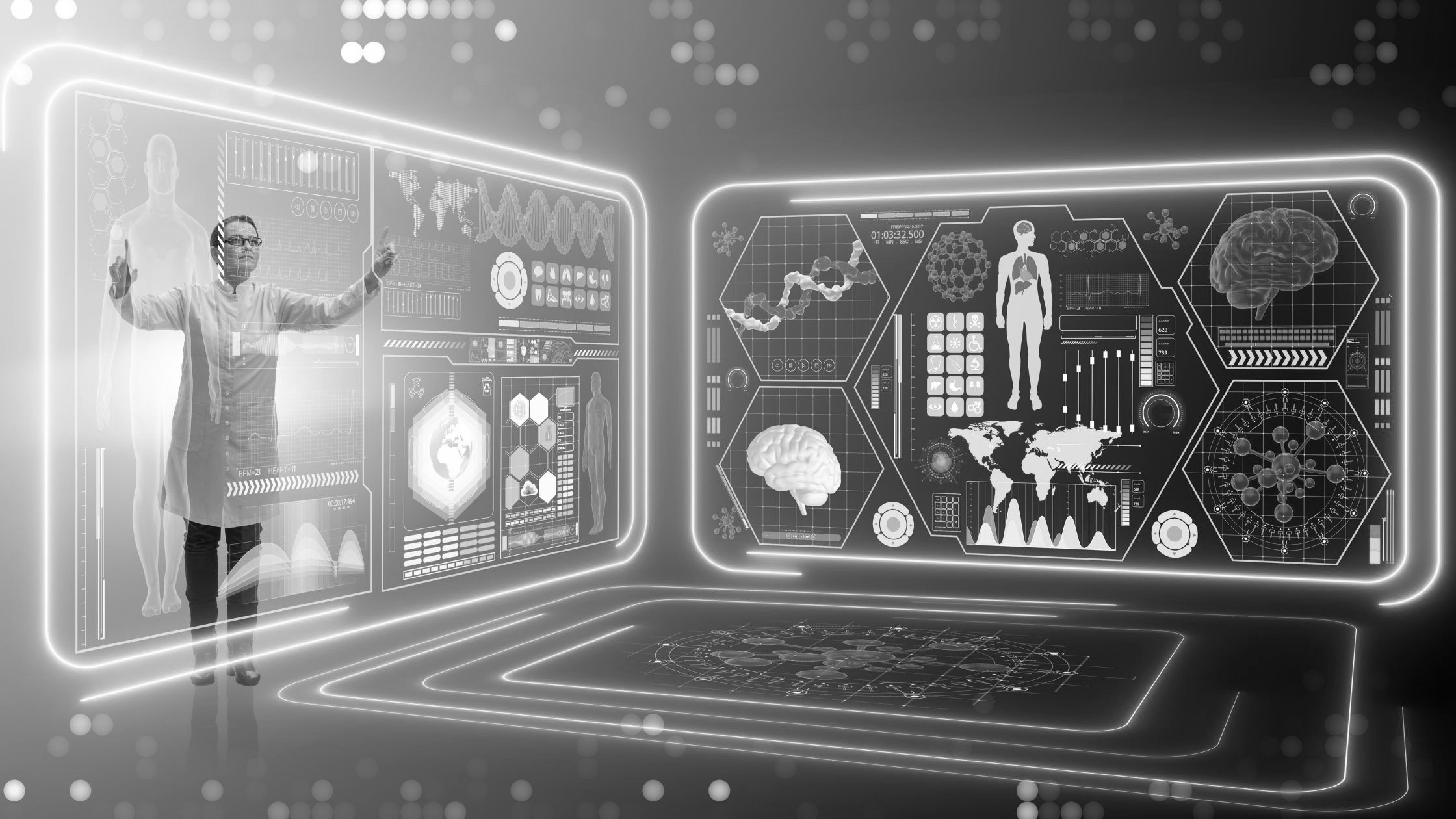
Why Healthcare is Deemed "AI-Proof"
New reports, including one from IDP, analyzed automation risk, salary trends, and growth forecasts across professions in countries like the US, UK, Australia, and Canada. The findings consistently point to the resilience of human-centered roles.
Core Human Skills
Healthcare roles demand skills that Artificial Intelligence currently struggles to replicate and integrate reliably:
Emotional Intelligence and Empathy:
Dealing with patient anxiety, providing comfort, and offering personalized support requires a level of emotional connection and nuanced response that AI agents cannot fully replicate.
Contextual Clinical Judgment:
While AI excels at diagnostics (e.g., interpreting scans), the final decision-making, especially in complex or unforeseen human health scenarios, relies on a clinician's ethical judgment and holistic understanding of the patient's individual circumstances.
Hands-on Intervention:
Jobs like Physical Therapists and Nurse Practitioners require direct, physical patient handling, observation of non-verbal cues, and real-time responsiveness that cannot be replaced by algorithms.
Low Automation Exposure
Data shows that the risk of automation is near zero for many clinical roles, contrasting with the high automation exposure seen in some entry-level technical and administrative positions.
Top AI-Resilient Careers (Examples):
Nurse Practitioners:
Projected for high growth (e.g., 46% in the US by 2031) with near-zero automation risk.
Physician Assistants:
Projected for strong growth (e.g., 28% in the US by 2031) with low automation risk.
Psychiatrists and Counsellors:
Roles involving mental health, complex ethical reasoning, and deep interpersonal communication are highly secure.
High Growth and Salary
These AI-safe professions are also experiencing high demand due to aging populations and existing talent shortages in many Western nations, guaranteeing strong financial returns:
Contrast with Traditional Tech Roles
The report suggests that many software development, data analytics, and business intelligence roles show higher automation exposure. Since these jobs often involve structured, repetitive, or predictable coding and data processing tasks, they are increasingly vulnerable to AI-driven tools that can generate code, debug, and streamline data workflows.
While AI is expected to augment, not entirely eliminate, technology jobs, the message for Indian students is clear: future-proofing a career requires blending technical fluency with indispensable human skills found prominently in the healthcare and allied sciences.