
WHO Sounds Alarm as 80% of New Ebola Cases Emerge From Unknown Transmission Chains
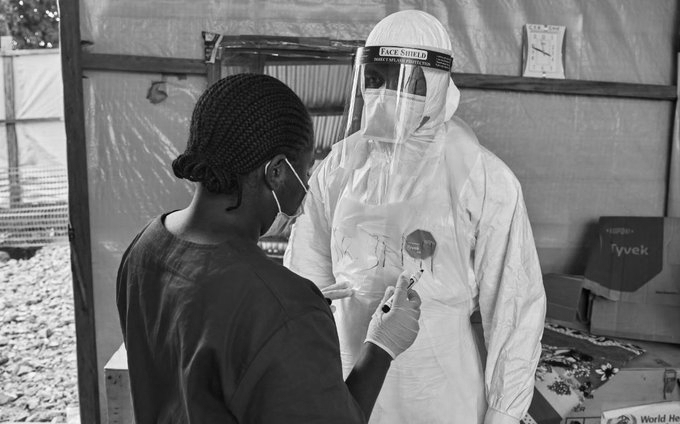
The Ebola outbreak in the Democratic Republic of Congo is escalating at an alarming pace, with the World Health Organization (WHO) warning that the virus is spreading faster than response teams can contain it. Health officials say a majority of newly detected infections are now emerging from unknown chains of transmission , making it increasingly difficult to trace contacts and break the spread of the disease.
Following a visit to Bunia in Ituri province , one of the worst-hit regions, WHO Emergencies Director Dr Chikwe Ihekweazu said the situation remains deeply concerning despite improvements in treatment facilities and laboratory capacity.
According to the WHO, around 80 per cent of new Ebola cases are not linked to existing contact lists , indicating that the virus is circulating undetected in several communities. Many recent victims died in their homes without receiving medical care or even reaching a health facility, raising fears that numerous infections are still going unreported.
The latest figures released by Congolese authorities show that at least 1,926 people have been infected and 702 have died since the outbreak began in May. The outbreak, caused by the rare Bundibugyo strain of the Ebola virus , has also spread into neighbouring Uganda , increasing concerns over regional transmission.
Although treatment capacity has expanded significantly, with nearly 800 hospital beds and laboratory facilities increasing from one to 14 , health officials admit the response has yet to match the pace of the outbreak.
Efforts to control the virus continue to face major obstacles, including funding shortages, attacks on healthcare centres, armed conflict in eastern Congo, and widespread mistrust among local communities . Adding to the challenges, healthcare workers at an Ebola treatment centre recently went on strike over unpaid salaries and bonuses.
Researchers have also launched clinical trials for experimental treatments , offering hope that new therapies could help combat the deadly disease. However, WHO officials stress that strengthening surveillance, improving community engagement and securing adequate funding remain critical to bringing the outbreak under control.