
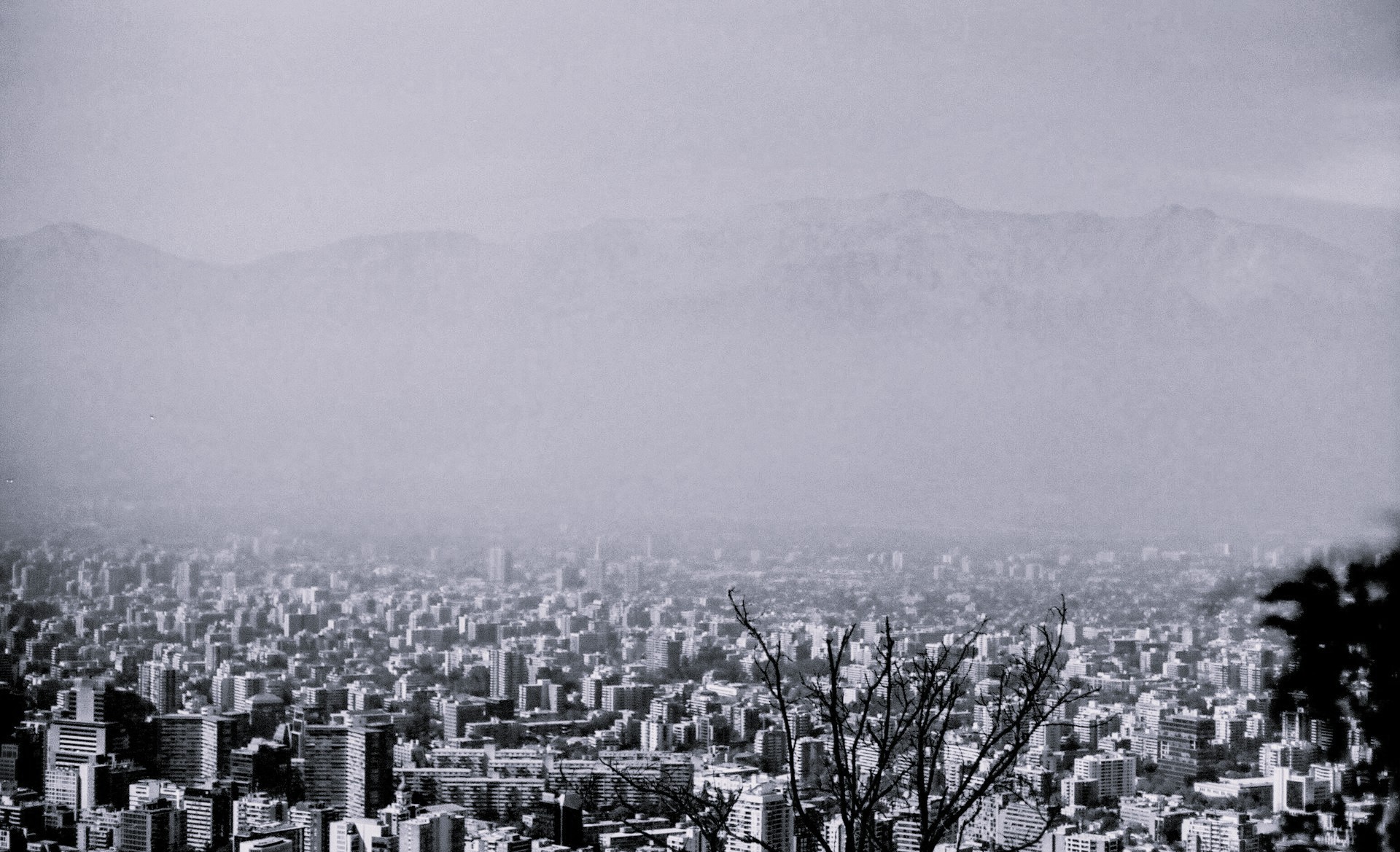
WHO calls for global action to build healthier, Pollution-free cities
On the occasion of World Cities Day, the World Health Organization (WHO) has called for a renewed global effort to transform urban environments into healthier, pollution-free, and more equitable spaces. The appeal comes alongside the launch of WHO’s comprehensive new guide, “Taking a Strategic Approach to Urban Health,” which provides national and municipal leaders with a framework to build cities that prioritize health, sustainability, and inclusive growth.
According to the WHO, more than 4.4 billion people over half of humanity now live in urban areas, a figure expected to rise to nearly 70 percent by 2050. This rapid urbanization, while offering opportunities for innovation and economic growth, has also intensified problems such as pollution, congestion, and inequality. Health challenges are particularly severe in slums and informal settlements, where about 1.1 billion people currently live without access to safe housing, sanitation, or clean air. The organization warns that if left unaddressed, this number could triple by 2050.
The newly launched WHO guide outlines a roadmap for countries and cities to take strategic, systems-level action by integrating health into urban planning, housing, energy, transport, and climate policies. It urges governments to move away from fragmented approaches and instead adopt a holistic model that links health with sustainability and social equity. “This is a moment for decision-makers at every level to act together,” said Jeremy Farrar, WHO’s Assistant Director-General for Health Promotion, Disease Prevention and Care. “The guide provides tools and strategies to build cities that are fairer, healthier, more resilient, and free from pollution.”
Urban areas are increasingly seen as both the source and solution to global health challenges. WHO data shows that nearly every city dweller worldwide breathes air that fails to meet the organization’s air quality guidelines. Air pollution alone kills around seven million people each year and is closely tied to rising rates of heart disease, stroke, and respiratory illnesses. Dense populations have also heightened the risk of infectious outbreaks such as COVID-19 and dengue, while a lack of green spaces has contributed to mental health stress and lifestyle-related diseases.
In response, WHO is advocating for cities to implement proven global techniques that have already demonstrated success in several regions. These include the development of sustainable mobility systems that emphasize public transport, cycling, and pedestrian-friendly infrastructure; expansion of green and blue spaces such as parks, urban forests, and water bodies to improve air quality and reduce heat; the promotion of renewable energy systems and advanced waste management to curb emissions; and the creation of inclusive, climate-resilient housing that ensures safer living conditions for vulnerable populations. The guide also stresses the importance of data-driven governance, encouraging cities to leverage digital tools and community participation to design health-focused policies tailored to local needs.
Examples from around the world highlight how community-led approaches are shaping healthier cities. In Nairobi’s Dandora neighbourhood, residents have collaborated with local authorities to redesign public spaces for improved safety and sanitation. Similar efforts are underway in Suva (Fiji), Makassar (Indonesia), and Coimbra (Portugal), where city planners are working directly with communities to promote cleaner air, greener environments, and equitable access to public infrastructure. WHO’s new Urban Health E-learning Course, hosted by the WHO Academy, is designed to strengthen the capacity of city officials, planners, and civil society leaders to adopt such collaborative and cross-sectoral methods.
“Cities are key to advancing public health,” said Dr. Etienne Krug, WHO Director for Health Determinants, Prevention and Promotion. “This guide provides a roadmap for governments to make operational links with other global policy issues such as climate change, digital transformation, and migration.” WHO officials further emphasize that strategic urban health action is not only a moral imperative but also an economic one. Healthier, low-pollution cities attract investment, reduce healthcare costs, and improve productivity—making them engines of prosperity as well as well-being.
The WHO calls on all national and city governments to adopt the guide’s framework, align health goals with planning and budgetary priorities, and scale up investments in clean transport, renewable energy, and green infrastructure. With urban areas becoming the defining environments of human life, the organization stresses that the future of public health, climate stability, and economic resilience will depend largely on how cities are planned and managed today. The message is clear: healthier cities mean healthier people, and global cooperation is the key to achieving both.