
White House Calls Iran’s Hormuz Draft Deal a ‘Complete Fabrication’ as Tehran Claims Blockade Will End
Iran's state television on Wednesday described a comprehensive draft memorandum of understanding that would reopen the Strait of Hormuz to full commercial shipping , end the US naval blockade, and see American military forces fully withdraw from Iran's vicinity , framing it as a near-finalised framework. The White House was having none of it. It dismissed the report as a "complete fabrication," warning that "nobody should believe what Iranian state media is putting out." And just to make Washington's position unmistakably clear, President Trump told PBS News on Wednesday that Iran would not receive sanctions relief in exchange for surrendering its stockpile of highly enriched uranium, a flat, unambiguous "no, no, not at all."
The audacity of the episode is worth pausing on. Iran published a detailed draft deal. Washington called it fiction. Both sides claim to be negotiating seriously. The framework as described by Tehran allocates 30 days for Hormuz procedures and 60 days for nuclear talks, with Iran firmly insisting it has made no commitments whatsoever on its nuclear programme.
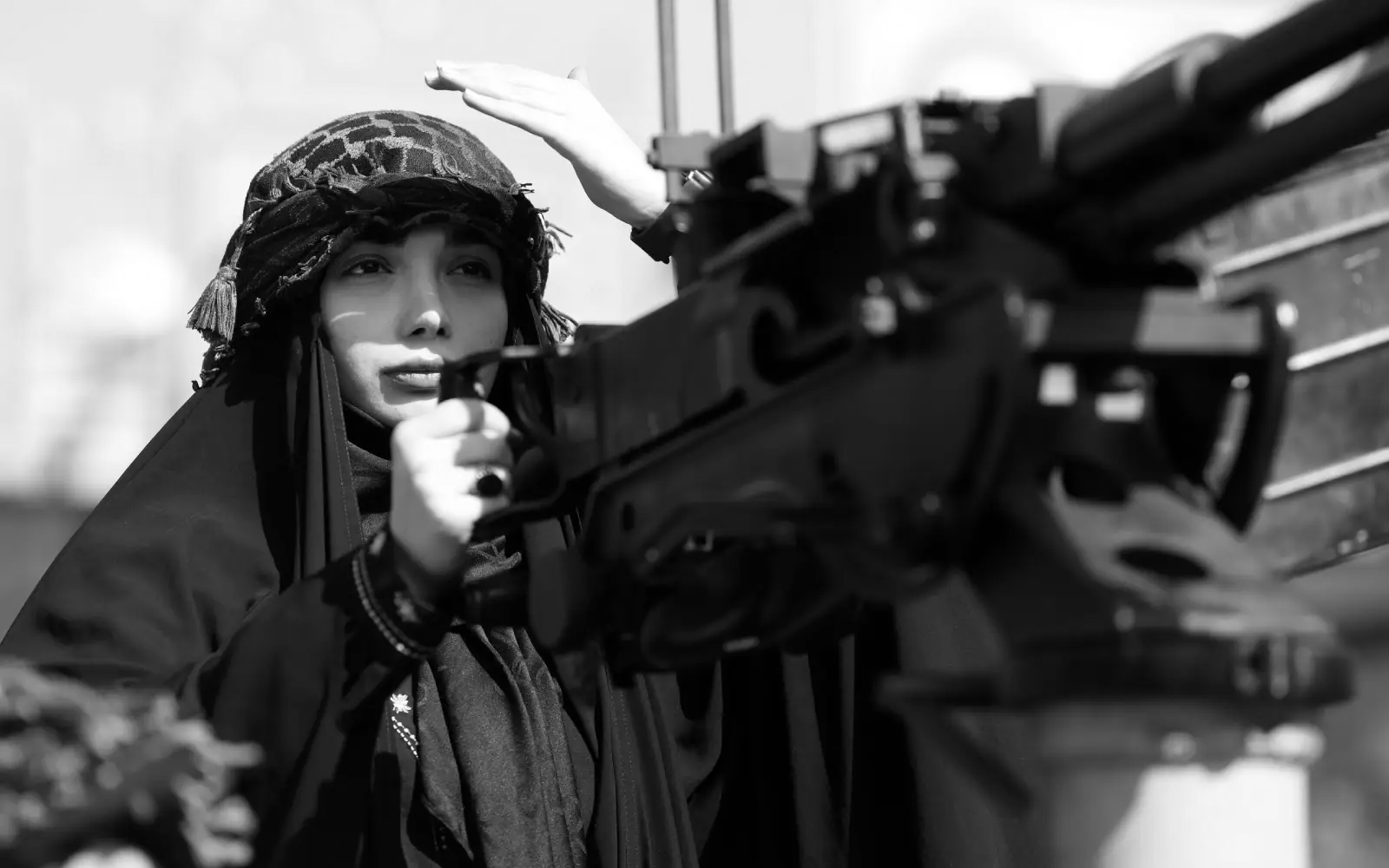
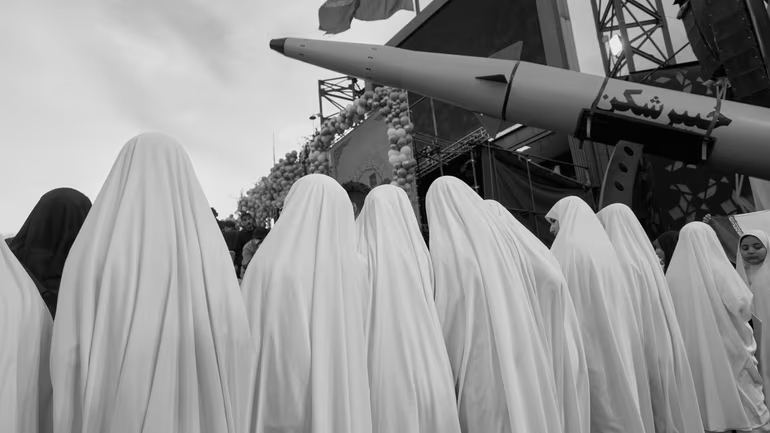
What Iran has actually been doing with its time, however, is far more consequential than any draft memorandum. A new France 24 report reveals Tehran has been systematically training its Basij paramilitary force , a volunteer militia under the Revolutionary Guards specifically to bring down US and Israeli aircraft using shoulder fired missiles. The training involves tactical positioning guides, ambush zone formation, small team coordination, and even virtual reality simulators designed to prepare fighters for real engagements.
The weapon at the centre of this programme is the MANPAD (Man Portable Air Defense System). Compact, concealable, and lethal within a five to ten kilometre range against low flying helicopters, drones, and ground attack jets. Iran's MANPADs have already proved a persistent nightmare for the US air campaign during Operation Epic Fury, with a Navy F/A-18 Super Hornet nearly hit near Chabahar. Iran fields its domestically produced Misagh systems and is reported to have received advanced Russian Verba missiles , some engineered to defeat the decoy flares that fighter jets deploy as a last resort. The US has already lost or had damaged several dozen aircraft during the war, including an F-15E Strike Eagle downed over Iran with its crew later rescued from the ground. A Congressional Research Service report confirmed at least 42 American aircraft lost or damaged , each costing tens of millions of dollars, targeted by weapons costing thousands. In one chilling episode, a rescue helicopter sent to recover a downed airman was itself engaged by a shoulder fired missile deep inside Iranian territory, turning a recovery mission into a full force protection crisis.
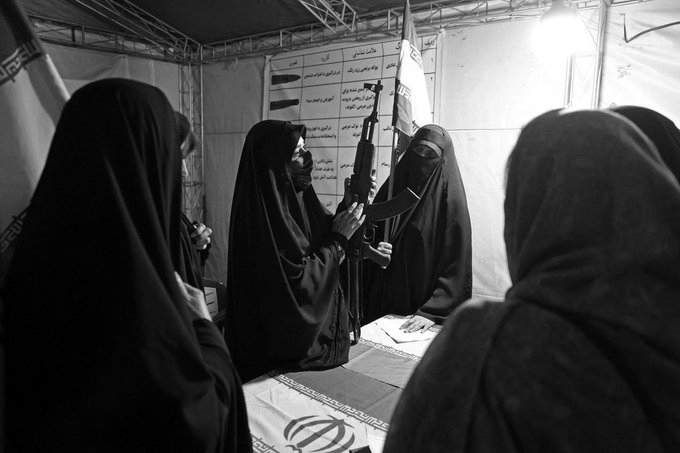
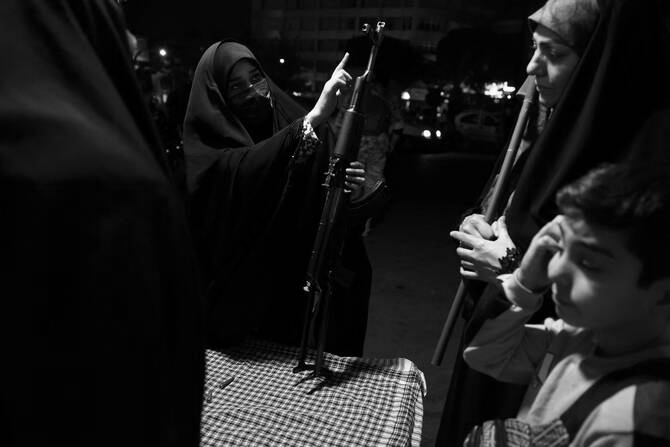
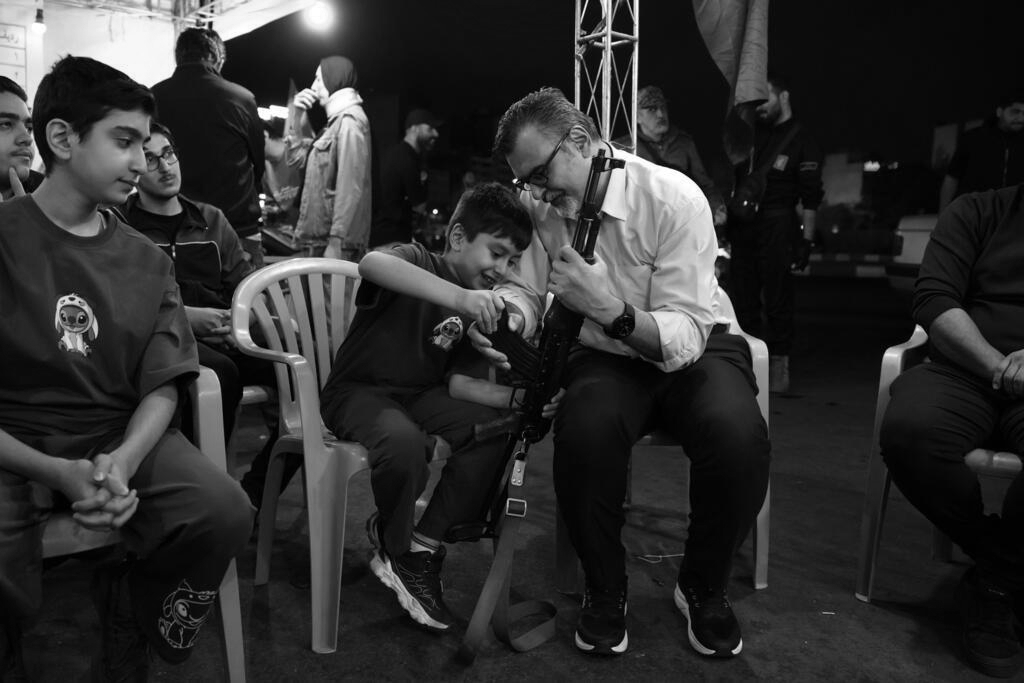
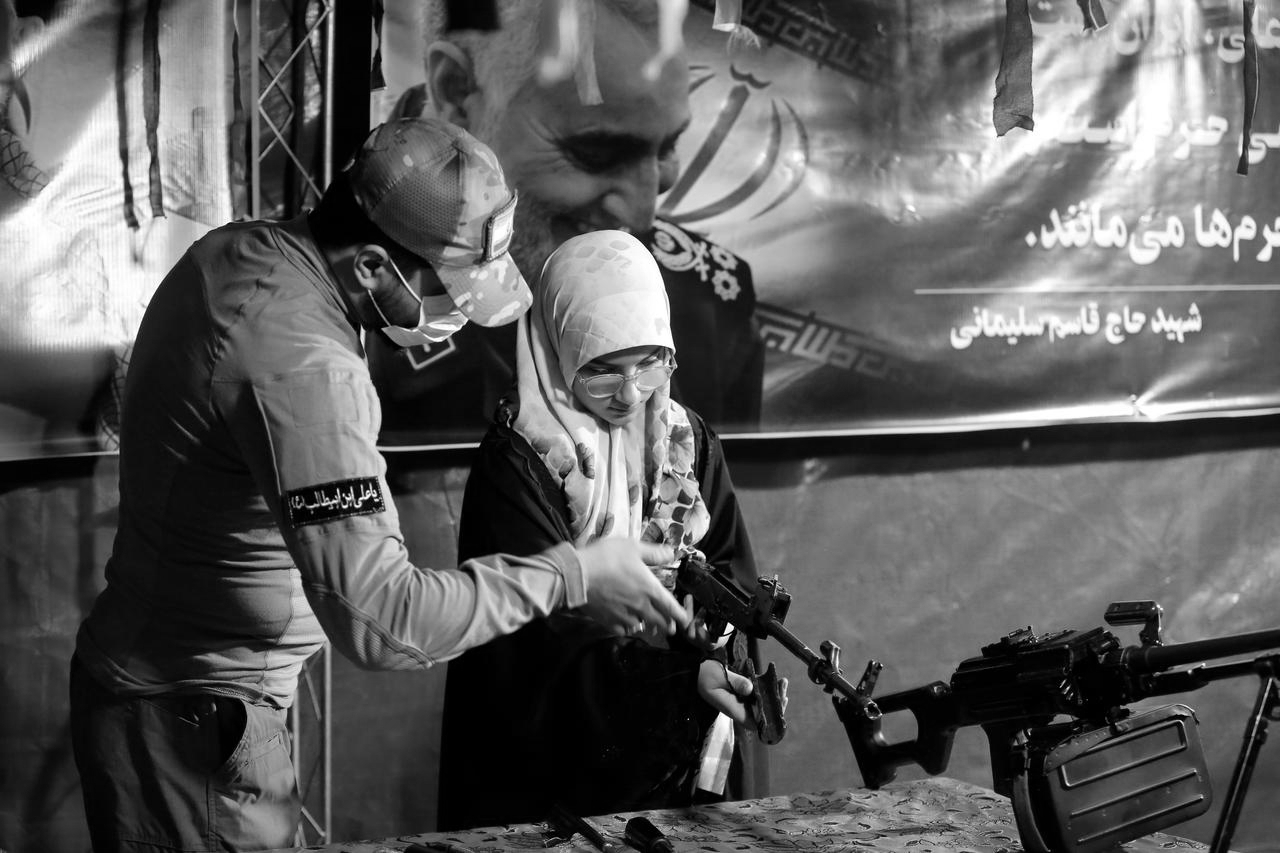
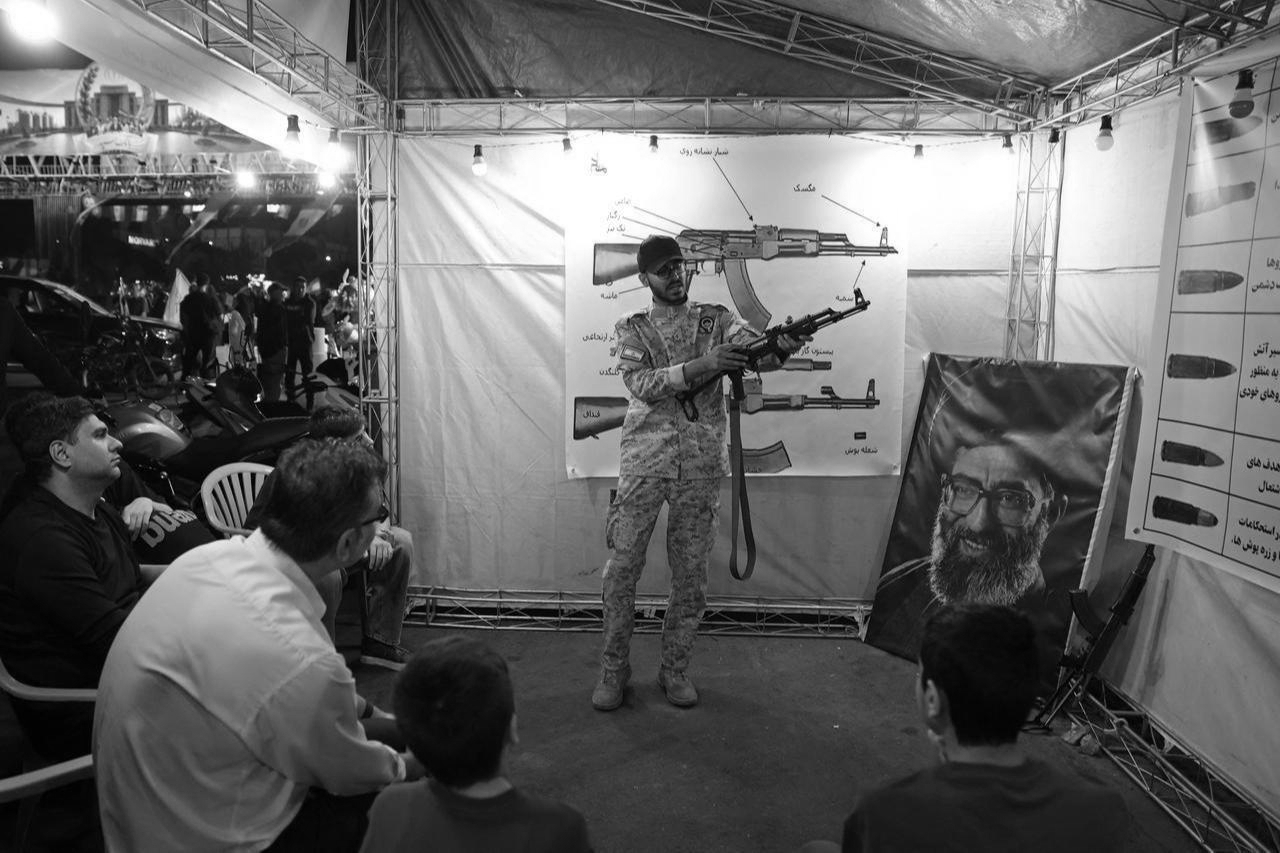
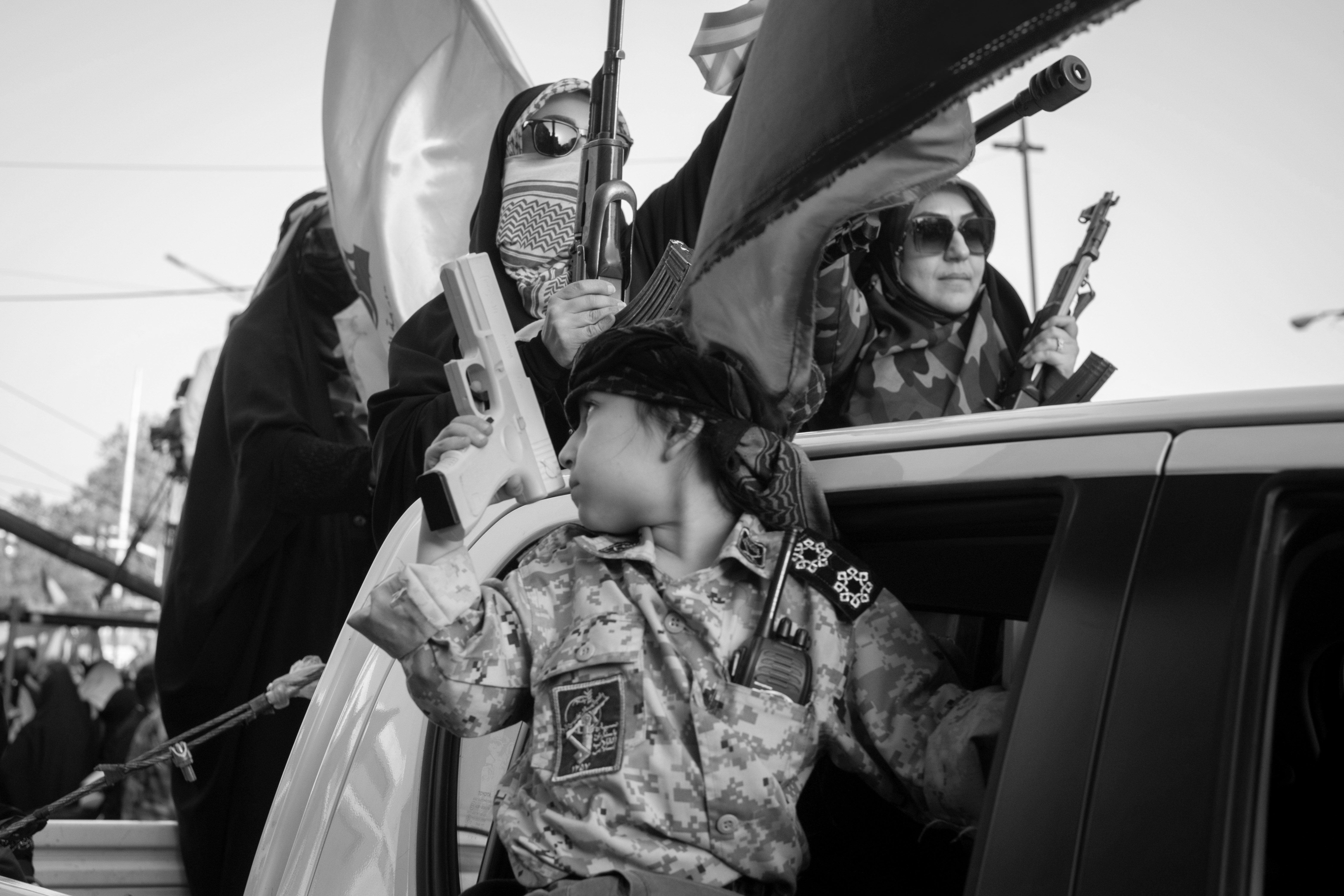
Iran is also training ordinary civilians to fire AK-47 rifles , framed as defending the homeland and promoting the " culture of martyrdom ." Tehran is building not just an air defense network but a nation in arms distributed, decentralised, and impossible to bomb into submission.
On the war's expanding edges, Israel clashed with Hezbollah along the Zahrani River, killing at least 31 people including several children , formally declaring all areas south of the river active combat zones, a significant military legal escalation affecting territory from which over a million civilians have already been displaced. The US, meanwhile, extended Temporary Protected Status for Lebanese nationals until November 27, 2026 , a humanitarian gesture that costs Washington nothing while Lebanon continues to burn.
Somewhere in the mountains of Iran, a fighter with a cheap missile on his shoulder is waiting patiently, invisibly, for a $100 million aircraft to fly just a little too low.