
What are Tomahawk missiles and why does Ukraine want them?
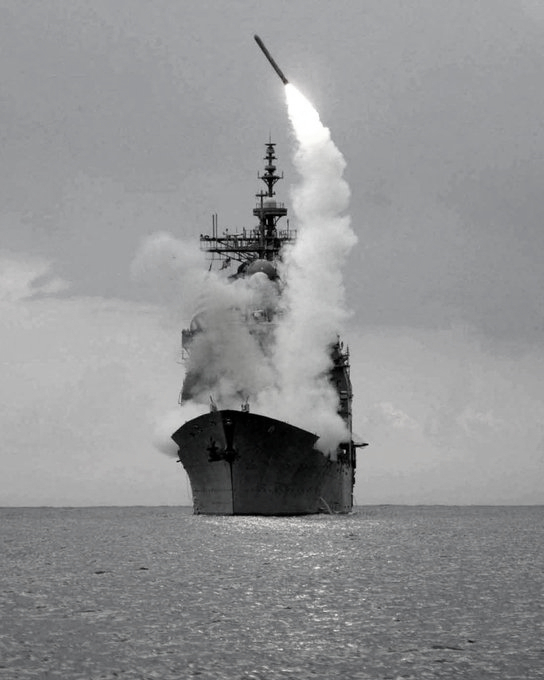
Ukraine’s request for U.S. Tomahawk cruise missiles marks a potentially pivotal moment in the ongoing war, reflecting both the strategic value of the weapon and the high stakes surrounding its use. Tomahawks are long-range, precision-guided missiles capable of striking targets up to roughly 1,600 kilometers away, allowing attacks deep behind enemy lines. Designed primarily for sea launch from ships and submarines, they are highly accurate and have been used in combat hundreds of times since the 1990s, including in the Gulf War, Kosovo, Afghanistan, Iraq, Libya, Syria, and against Houthi positions in Yemen. These missiles have a proven track record of hitting command centers, airfields, logistics hubs, radar sites, and other high-value targets, making them a highly reliable and battle-tested system. Modern versions, including Block IV and the upgraded Block V, feature in-flight retargeting, improved navigation, and advanced strike capabilities. Each missile costs around $1.3 million, and the U.S. plans additional procurement and upgrades in the coming years.
Ukraine’s current missile arsenal includes domestically developed and Western-supplied systems such as the Flamingo missile with over 1,000-mile range, the Neptune anti-ship missile, the Harpoon anti-ship system, the ATACMS tactical ballistic missile, and the Storm Shadow cruise missile. While these provide a range of options, none can reach the distances or strike targets with the same precision and flexibility as the Tomahawk, making it a potential game-changer for Kyiv. The missile would allow Ukraine to target Russian logistics, bases, and command hubs far behind the frontlines, potentially disrupting troop movements, supply chains, and morale. Its psychological impact on Russian forces could be significant, forcing them to disperse assets, reinforce defenses, and reconsider operational plans.
Russia has expressed strong concern over the potential supply of Tomahawks, warning that they could trigger significant escalation. Officials including President Vladimir Putin have framed such a move as direct foreign intervention, with former President Dmitry Medvedev suggesting that nuclear threats could arise if the missiles were used in certain ways. The Kremlin’s concern stems from the combination of range, precision, and combat-proven effectiveness, which could place Russian bases and strategic assets within reach. Russia has countermeasures such as S-300 and S-400 air defenses, electronic warfare capabilities to jam guidance systems, hardened infrastructure, and its own long-range missiles, including Kalibr cruise missiles, Iskander ballistic missiles, and hypersonic systems. Despite these, the presence of Tomahawks could alter Russian calculations and impose operational pressure.
The U.S. has weighed whether to supply Tomahawks to Ukraine cautiously, balancing operational benefits against political and strategic risks. Key factors include the risk of escalation, the need for specialized launch platforms and trained operators, limited stockpiles, and the political implications of being perceived as directly intervening in the conflict. Ukraine lacks compatible ships or submarines, which complicates deployment, and using allied naval platforms introduces further political and operational challenges. If provided, the missiles could be Block IV versions, which are combat-proven, or Block V, which offer enhanced navigation, extended range, and networked strike options. The decision will hinge on whether the U.S. believes that Ukraine can safely operate the system while minimizing risks of a wider confrontation.
While the addition of Tomahawks would give Ukraine a significant tactical advantage, it is not a war-ending solution. The missiles could help strike deep targets, influence negotiations, and disrupt Russian operations, but they would not replace the need for ground forces, air support, or broader strategy. Their introduction also carries the risk of intensifying the conflict, as Russia could escalate counterattacks and target Western logistics or deploy more advanced weapons. Nevertheless, the missile’s proven combat record, long range, and precision make it a transformative tool for Ukraine, offering new options for pressure and maneuver in a protracted conflict.