
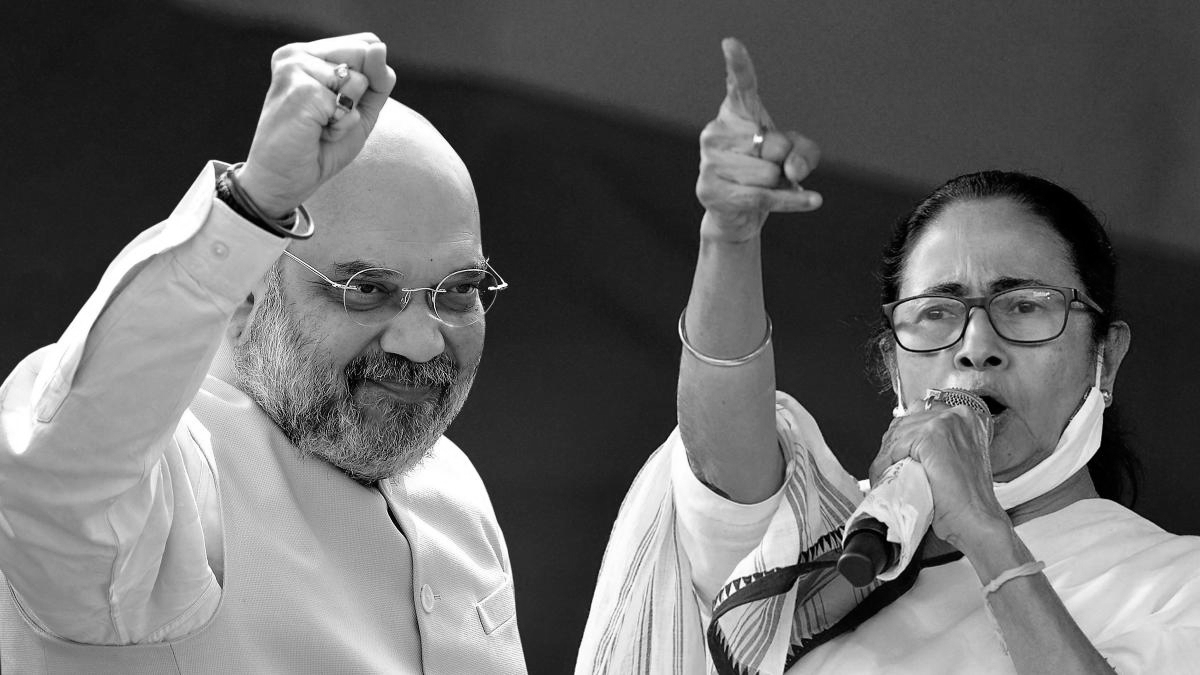
West Bengal elections heat up: TMC and BJP lodge complaints over hate speech
Just weeks ahead of the 2026 West Bengal assembly elections , political tensions have intensified as the Trinamool Congress (TMC) and the BJP moved the Election Commission against each other, alleging threats, hate speech, and abusive remarks .
At the centre of the dispute is the BJP’s Panihati candidate , mother of the RG Kar Hospital doctor who was tragically raped and murdered last year, and TMC MP Kalyan Banerjee , with both accused by each other of making threatening and inflammatory remarks , sparking mutual complaints to the Election Commission.
In his complaint to Chief Election Commissioner Gyanesh Kumar , Banerjee described the BJP candidate’s comments as “highly objectionable, threatening and derogatory” , claiming they even posed a threat to her life . He urged the poll panel to act promptly, emphasizing that such statements undermine democratic values and create an atmosphere of fear during the electoral process. Banerjee demanded an impartial inquiry , strict legal action , and measures to prevent similar violations.
The TMC framed the issue as part of what it sees as the BJP’s strategy of introducing confrontation and intimidation into Bengal’s political landscape.
Within hours, the BJP retaliated, filing a complaint before the West Bengal Chief Electoral Officer accusing Banerjee of making “derogatory, provocative and hateful” remarks against Amit Shah . The saffron party alleged that Banerjee’s statements were part of a wider pattern of inflammatory rhetoric by the TMC leadership, aimed at creating tension and polarisation.
The BJP urged authorities to hold Banerjee accountable under the Model Code of Conduct , remove video clips of his remarks , and initiate criminal proceedings if necessary.
The Panihati seat has gained unusual attention after the BJP fielded the mother of the RG Kar victim, highlighting last year’s tragedy. While the BJP presents her as a symbol of resistance against perceived state inaction, the TMC accuses the party of politicising personal grief to target Mamata Banerjee’s government.
As Bengal inches closer to the polls, with the 2026 West Bengal Legislative Assembly elections scheduled in two phases on April 23 and April 29, 2026 , and votes for all 294 seats to be counted on May 4, 2026 , these complaints underscore the highly charged atmosphere and the battle for narrative control in the state’s political arena.