
West Bengal advancing green development through circular economy
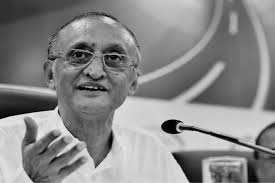
Amit Mitra, Principal Chief Advisor to the Chief Minister and Finance Department of West Bengal, on Thursday said West Bengal is emerging as a model for green development through a mix of circular economy initiatives, renewable energy expansion and water conservation programmes.
Speaking at a sustainability summit organised by the Bengal Chamber of Commerce and Industry , Mitra said the state government has been implementing several measures to address climate change while promoting sustainable livelihoods.
Referring to the global climate crisis, he said environmental disasters have caused damages worth about U SD 2.8 trillion worldwide over the past two decades. In response, the state has been working to develop a circular economy model that combines ecological protection with economic activity.
A circular economy focuses on reducing waste and maximising the reuse of resources through recycling, repair and regeneration. By keeping materials in use for longer, it helps conserve natural resources, cut pollution and lower greenhouse gas emissions while also creating new livelihood opportunities. Mitra said such a system requires participation from governments, businesses and communities through improved waste management, promotion of recycling and adoption of renewable energy.
As part of these efforts, the state has excavated nearly 800 kilometres of creeks to trap rainwater and create a “sweet water” ecosystem supporting shrimp cultivation. Mangroves planted along the creeks provide natural feed for shrimps when their leaves fall into the water, creating a self-sustaining ecological cycle.
The initiative has supported women’s self-help groups engaged in shrimp farming and contributed to exports, with shrimp shipments from the state valued at around USD 500 million.
Mitra said the state has also made progress in green mobility and renewable energy. West Bengal currently has over 2.6 lakh registered green vehicles supported by 805 charging stations. Solar power projects with a combined capacity of 3,763 MW are nearing completion.
“These initiatives are part of a systematic effort under the leadership of Chief Minister Mamata Banerjee,” he said.
He added that programmes such as Matir Srishti and Jal Dharo Jal Bharo have improved land and water conservation, while the state has also increased forest cover and planted nearly 15 crore mangroves along the coastline.