
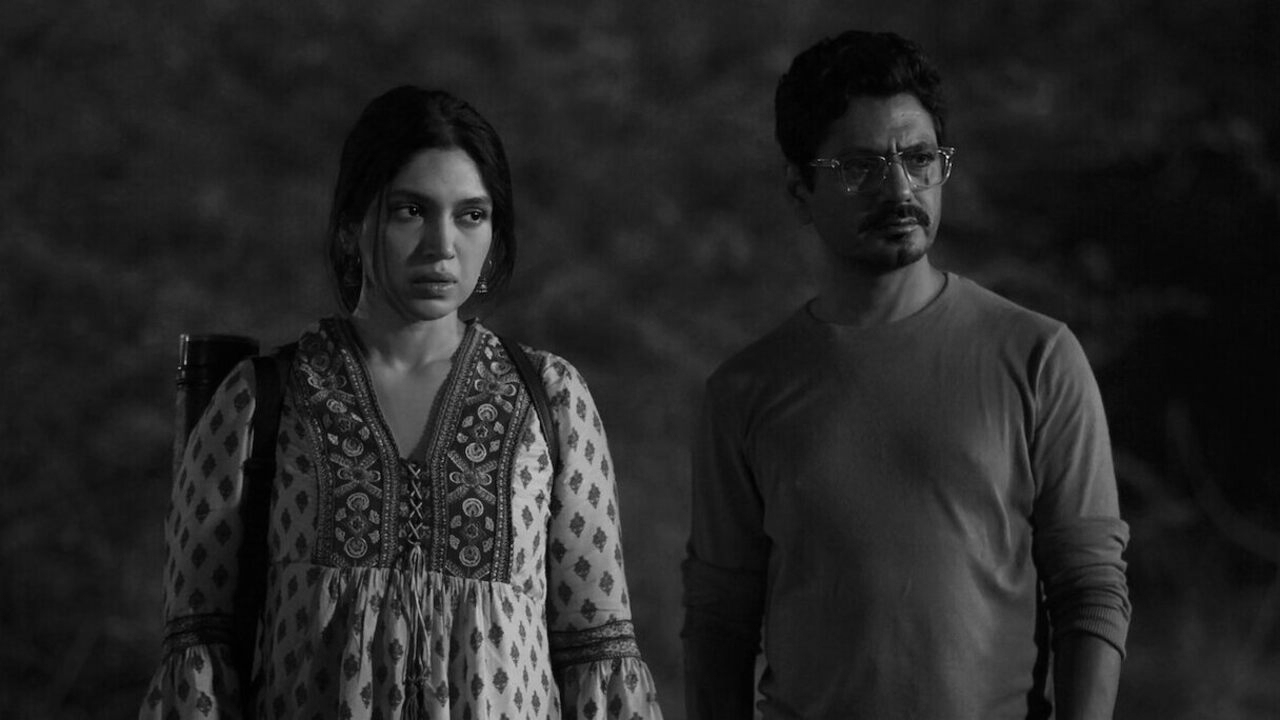
We Must Show Up for Good Films, Says Bhumi Pednekar
It breaks your heart when critically acclaimed films fail to connect with audiences at the box office, actor Bhumi Pednekar has said, highlighting a broader problem in Hindi cinema where quality storytelling is increasingly overshadowed by opening-day numbers and commercial tentpoles.
Pednekar, known for her work in both mainstream and content-driven cinema, cited films like Bheed and Afwaah lauded for tackling crucial social themes as examples of movies that struggled theatrically despite strong reviews. She stressed that responsibility for a film’s success does not rest solely with filmmakers: audiences have a role too, because their viewership and feedback influence what kinds of stories get made next.
Her own filmography underscores this dual commitment to impactful cinema and commercial ventures. In Bhakshak (2024), Pednekar portrayed Vaishali Singh , an investigative journalist driven to uncover systemic abuse in a girls’ shelter home, a performance that brought attention to journalism’s power and social justice issues. The Netflix crime thriller, inspired by true events and produced under Red Chillies Entertainment, drew praise for its intense storytelling and Pednekar’s compelling turn in a challenging role.
Industry reporting shows a mixed picture: while overall ticket sales for Hindi films rose by about 11.3% in 2025 , the increase largely favored big-budget and star-driven projects, leaving smaller, socially relevant films with limited theatrical runs.
A major structural issue Pednekar highlighted is the industry’s fixation on Friday opening-day collections , which she says has eroded the space for word-of-mouth cinema that traditionally thrived over multiple weeks. “Every film does not have the capability of doing Rs 8, 12 or 20 crore [on Day One], but does that mean it’s a bad film? No,” she noted.
The journey of films like Laapataa Ladies, which found a wider viewership only after release on streaming platforms, shows how OTT can give a second life to deserving titles that struggled in theaters due to limited publicity or star power. However, some industry voices argue that early transitions to digital can sometimes truncate a film’s theatrical momentum.
Production and release challenges also complicate the picture. Pednekar described The Lady Killer as an “incomplete film” released on very limited screens after reshoots and budget overruns, a move that undercut its theatrical life and left audiences and creators with unanswered questions.
Despite commercial pressures, Pednekar’s choices reflect her belief in storytelling variety: she continues to balance substantive roles like Bhakshak and Sonchiriya with crowd-pleasing projects such as Pati Patni Aur Woh. She also highlighted how her Netflix series The Royals broadened her global reach despite mixed reviews, underscoring the changing landscape of audience engagement .
As the industry evolves, Pednekar believes audiences and ecosystem stakeholders must recalibrate their expectations. Supporting smaller films, allowing them longer theatrical windows, and championing word-of-mouth can help ensure that diverse voices and meaningful stories are not squeezed out by the glare of opening-weekend box-office figures.