
Water wars - Egypt, Sudan blame Ethiopia as Nile swells
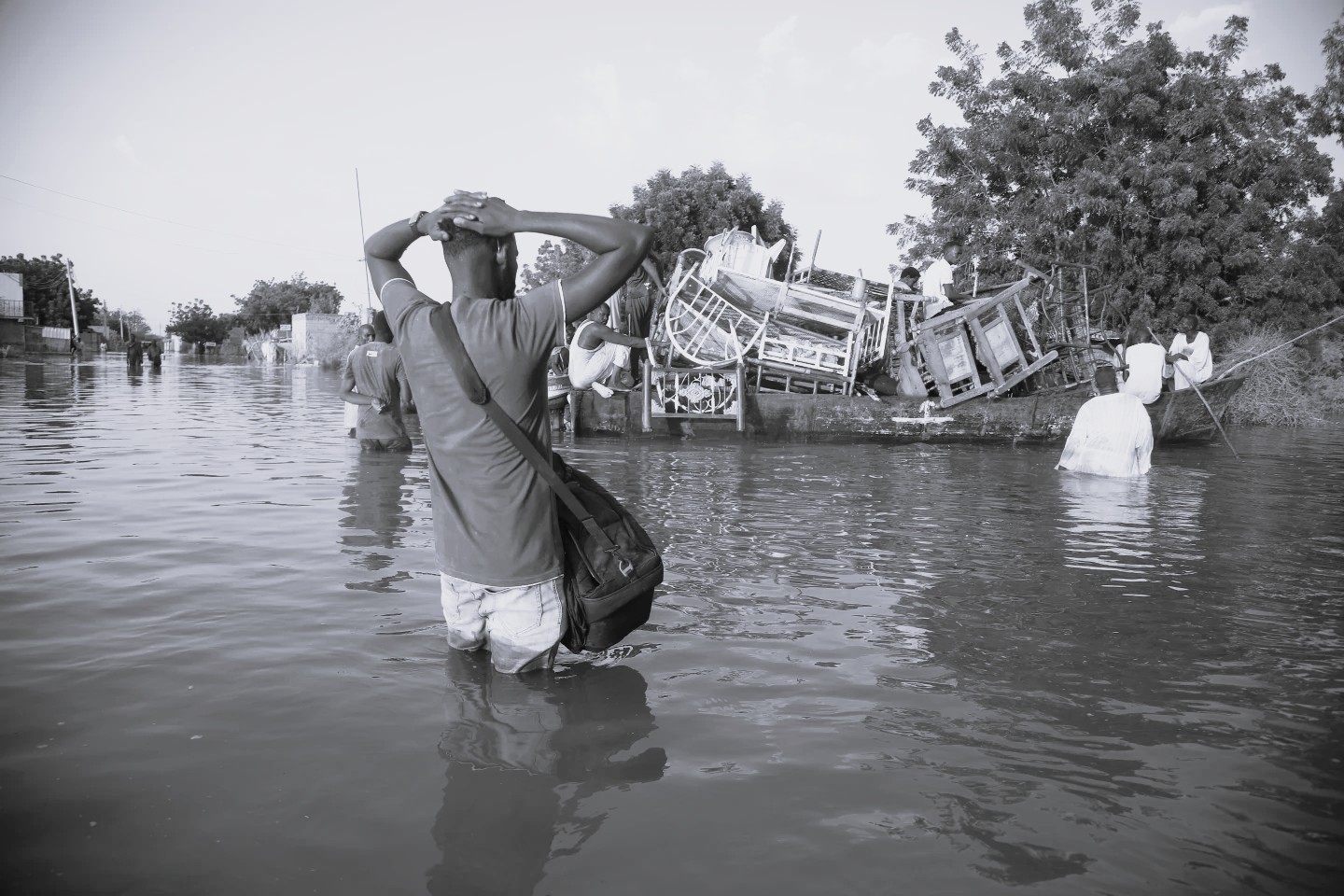
Widespread flooding in northern Egypt in September 2025 has once again brought the Grand Ethiopian Renaissance Dam (GERD) into the center of regional debate, highlighting the delicate balance of water management, development, and politics along the Nile. The floods coincided with heavy seasonal rains across the Nile basin, compounded by controlled releases from the recently inaugurated GERD. Peak discharges from the dam reached 780 million cubic meters per day, with a total of approximately 12.65 billion cubic meters released over 20 days, of which roughly 9 to 10 billion cubic meters reached Egypt. The sudden arrival of these waters, combined with natural flood peaks from Sudan, overwhelmed local canals, levees, and smaller infrastructure in northern villages and the Nile Delta, displacing thousands and damaging agricultural land. While Egypt’s Aswan High Dam, with a total capacity of 169 billion cubic meters, theoretically had enough storage to absorb the inflows, the timing and volume of the releases meant that sudden surges could not be fully managed, demonstrating that infrastructure alone is insufficient without advance coordination and communication.
The GERD dispute has deep historical roots. Colonial-era treaties, particularly between Britain and Egypt in the 19th and early 20th centuries, allocated the Nile’s waters almost exclusively to Egypt and Sudan while ignoring Ethiopia, where the Blue Nile originates. Over decades, Egypt leveraged these treaties to assert downstream control and lobbied the international community to safeguard its water security. In the early 21st century, negotiations over GERD were contentious; during U.S. President Donald Trump’s administration, Ethiopia walked away from mediation efforts, rejecting conditions seen as limiting its sovereign right to use its resources. Over time, Egypt’s international influence on the matter waned, while Ethiopia pressed ahead, emphasizing the dam’s importance for national development and energy security. The GERD, Africa’s largest hydroelectric project, can generate 5,150 megawatts and store up to 74 billion cubic meters of water. Ethiopia frames the project as a tool to harness its own resources responsibly, regulate seasonal floods, and supply electricity for millions, demonstrating the right of a sovereign nation to pursue development while managing hydrological challenges.
The 2025 floods illustrate the need to balance these competing interests. Dams such as GERD and Aswan can both regulate floods and cause droughts if mismanaged. Sudan, located between Ethiopia and Egypt, also bears the consequences of upstream and downstream water management; approximately 1,200 families were displaced in Khartoum State’s Bahri area. Experts emphasize that had Ethiopia gradually released water and communicated the timing with downstream authorities, flooding in Egypt could have been minimized or avoided entirely, underscoring the importance of transnational coordination. The incident highlights that the GERD represents both opportunity and responsibility: while essential for Ethiopia’s development, its operation must be harmonized with downstream needs to protect communities and ensure regional stability. The September 2025 floods serve as a stark reminder that Nile water security is as much a matter of diplomacy and planning as it is of infrastructure, requiring trust, collaboration, and careful management among all Nile Basin countries.