
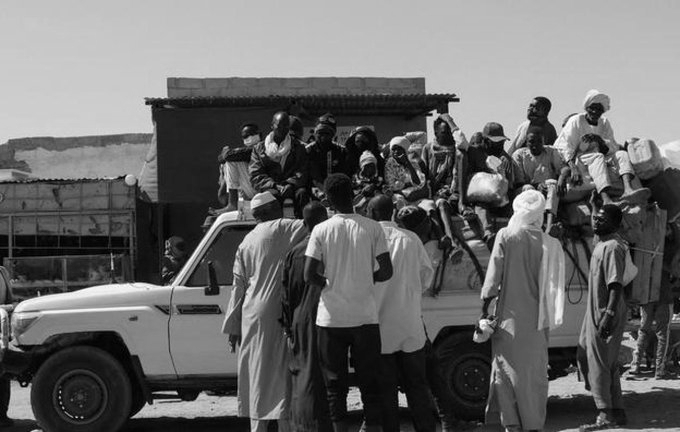
Water Dispute Turns Deadly in Eastern Chad, 42 Killed
At least 42 people were killed and several others injured in eastern Chad after a clash between two families over a water point escalated into a cycle of reprisals, authorities said.
The violence broke out in Igote village in the Wadi Fira province near the Sudan border, where a dispute over access to scarce water resources quickly intensified into wider communal fighting. Officials said around 10 people were wounded and shifted to a provincial health centre, while the army was deployed to restore order.
Deputy Prime Minister Limane Mahamat, who visited the area, said the situation is now “under control” after a swift military response helped contain the clashes, which had spread across a larger area.
Authorities have launched both customary mediation efforts and judicial proceedings to determine criminal responsibility. Mahamat also warned that the government would take “all necessary measures” to prevent further destabilisation in the border region.
Such violence is not uncommon in Chad’s eastern and southern regions, where competition over scarce water resources frequently triggers disputes. The arid and semi-arid climate, coupled with highly seasonal rainfall, leaves communities dependent on a limited number of wells and water points, often leading to tension between users.
The situation is further complicated by livelihood dependence on water for both farming and livestock , especially among pastoral communities that move across territories in search of grazing land. In recent years, the region has also come under additional strain due to refugee inflows from war-torn Sudan , increasing pressure on already limited resources.
Weak infrastructure and informal or customary water-sharing arrangements often fail under stress, turning small disagreements into larger conflicts. In some cases, cycles of retaliation develop, escalating local disputes into deadly intercommunal violence.
Similar clashes in the region last year also left dozens dead , highlighting the recurring nature of resource-driven tensions in eastern Chad.