
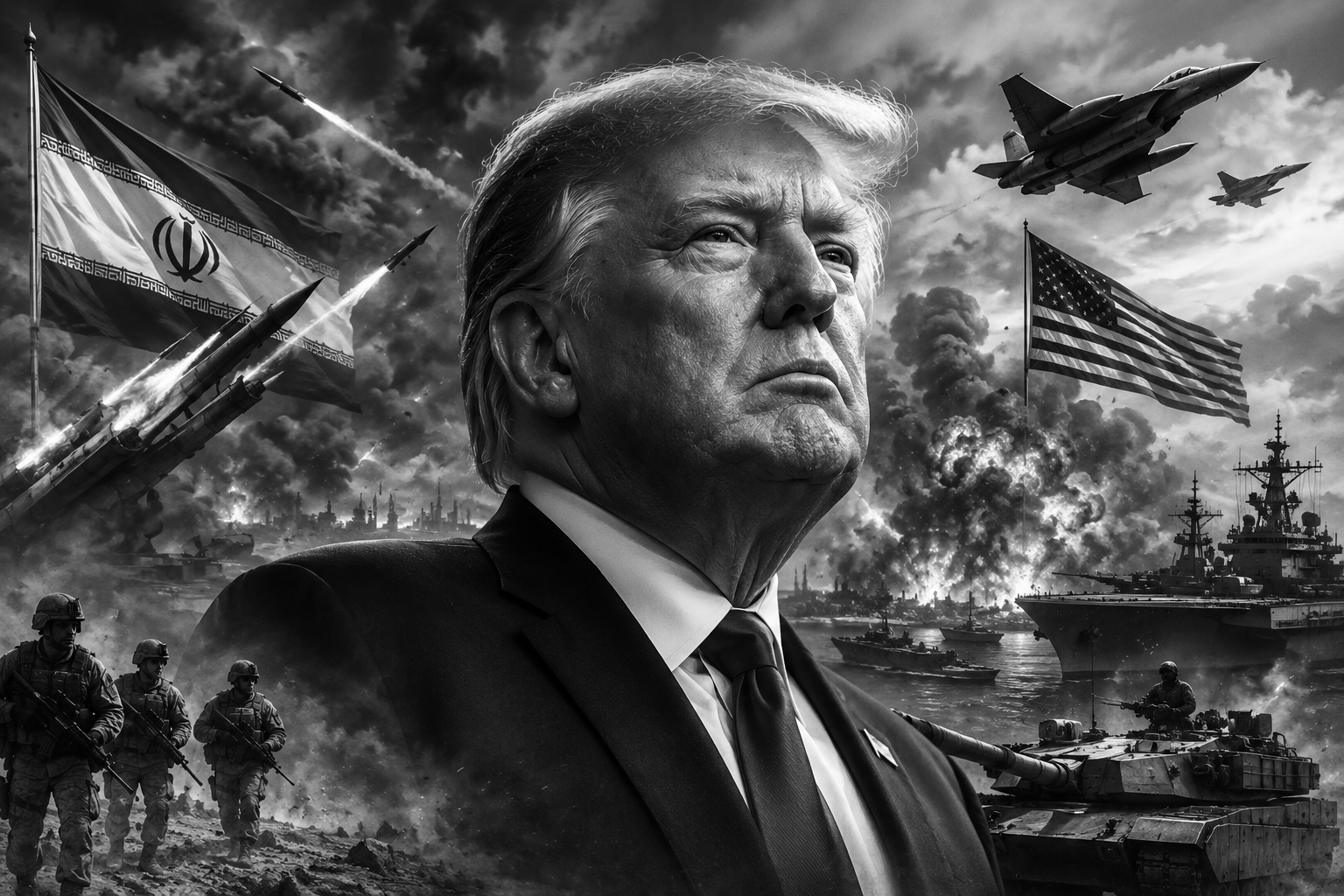
War Over, Troops Stay? Trump’s Iran Exit Plan Gets A Little Complicated
Six months into the Iran war, the conflict is entering an increasingly uncertain phase, with fresh Iranian strikes, disruption in the Strait of Hormuz, rising energy costs and questions over Washington’s endgame adding to tensions across the Middle East.
Iran overnight claimed it had launched fresh strikes against seven US-linked bases across Jordan, Iraq, Kuwait, Bahrain and the UAE, a day after Iranian missiles and drones triggered sirens in Kuwait. Tehran's casualty claims remain unverified, while Washington has reported no US service-member deaths in the latest attacks.
The escalation followed US strikes on Iranian rocket launchers in the Strait of Hormuz on Sunday and attacks on Islamic Revolutionary Guard Corps sites on Tuesday. Iran said the strikes killed several pilots and hit a wedding party, killing four people. US Vice President JD Vance has expressed strong scepticism about the claim.
The fighting has also disrupted shipping through Hormuz, one of the world's most important energy routes. Just 102 vessels crossed the waterway last week, compared with more than 130 a day before the war. Some traders are using a risky "dark shuttle" system to move cargo while avoiding Iran's vetting restrictions.
Washington's economic pressure campaign is facing its own complications. President Donald Trump's newly launched "Operation Economic Outcast" aims to isolate Iran from its remaining trading partners, but so far only one bank branch has been sanctioned. Trump has been reluctant to target China, a major economic lifeline for Iran, as he prepares to host Chinese President Xi Jinping.
US officials continue to insist that Tehran is under mounting pressure. Treasury Secretary Scott Bessent compared Iran to a "snake that has been decapitated but doesn't know it's dead yet", while Secretary of State Marco Rubio said Iran would continue to feel the squeeze.
Yet Washington's military posture suggests the conflict may continue. Trump is reportedly considering declaring the war over, even as the Pentagon quietly extends deployments involving around 50,000 US troops into 2027.
Analysts say both sides face domestic political pressure not to appear defeated, particularly with US midterm elections approaching and Iran's Revolutionary Guard wary of appearing to surrender.
The economic fallout is spreading. US diesel prices hit a record high, while refining margins crossed $100 a barrel for the first time.
Elsewhere, Israel made a rare arrest of a settler accused of attacking Palestinians in Qusra, while two Palestinians were killed near Al-Mughayyir. Lebanon also witnessed its first prisoner handover from Israel in six months.
In Israel, Prime Minister Benjamin Netanyahu is seeking to reunite fractured right-wing allies ahead of the October 27 election, which could determine the future of his 17-year rule.
With Washington weighing an exit while expanding military deployments, the Iran war remains caught between escalation and exhaustion, with its consequences increasingly reaching global energy markets and regional politics.