
War, Oil, and Power: How China Is Redefining Global Energy Politics
The escalating conflict around Iran is no longer just a regional flashpoint it is fast emerging as a defining moment for the global energy system. As tensions disrupt critical oil supply routes and push fuel prices higher, economies across the world are feeling the strain. Yet, beneath this immediate crisis, a deeper and more lasting transformation is taking shape. What appears to be a geopolitical confrontation is, in reality, accelerating a global shift away from fossil fuels toward a new era driven by clean energy technologies . At the center of this transformation stands China, quietly turning instability into strategic advantage.
For decades, oil has been the backbone of the global economy. Nations built policies, alliances, and even conflicts around securing access to it. However, the current crisis has exposed the fragility of that system. The disruption of vital chokepoints such as the Strait of Hormuz has tightened supply chains, sending shockwaves through global markets. Countries heavily dependent on imports are now facing rising costs and uncertainty, while inflationary pressures are mounting across both developed and developing economies. This moment has forced governments to confront a hard truth: reliance on oil is no longer just an economic issue it is a strategic vulnerability .
Unlike previous oil shocks, however, the response this time is not limited to finding alternative suppliers. Instead, nations are increasingly looking for ways to reduce dependence on oil altogether. This shift is being driven by necessity rather than ideology. As fuel prices climb and supply becomes unpredictable, renewable energy sources such as solar and wind are emerging as more stable and reliable alternatives. This is where China’s long-term strategy is beginning to pay off.
More than a decade ago, China recognized that energy security would define the future of global power. While other major economies continued to prioritize fossil fuel expansion, Beijing invested heavily in building a comprehensive clean energy ecosystem. It focused on scaling up manufacturing capacity for solar panels, developing advanced battery technologies, and promoting electric vehicles. At the time, these investments were seen by some as ambitious and long-term. Today, they have become a source of immediate economic and geopolitical strength.
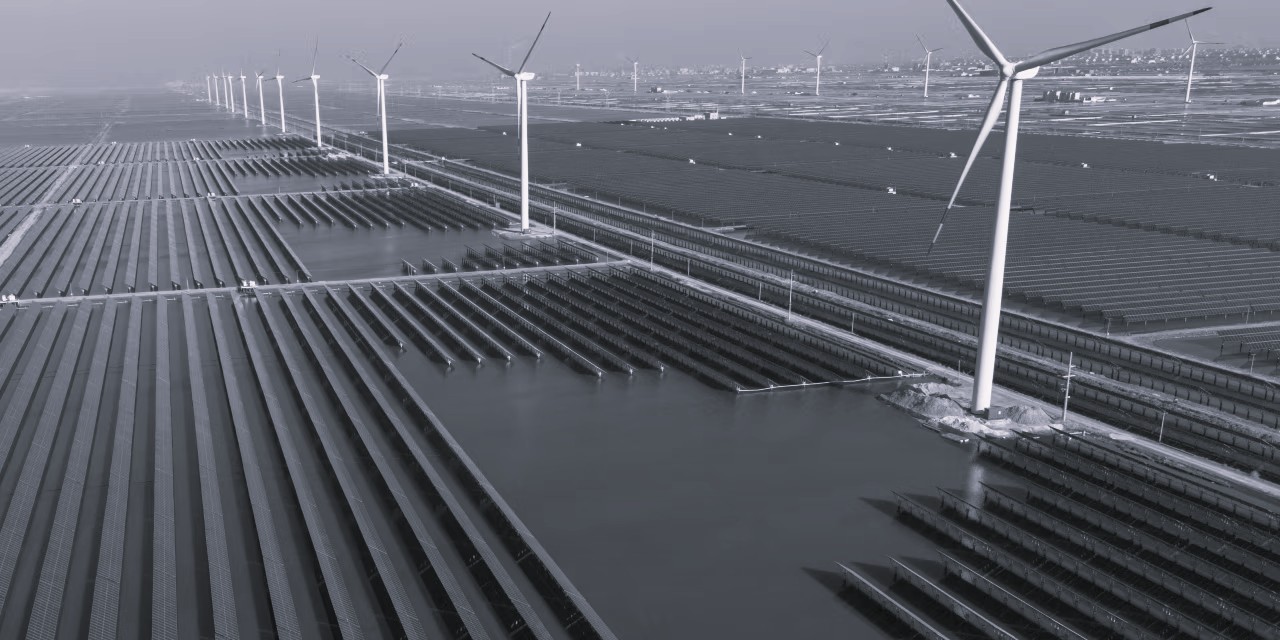
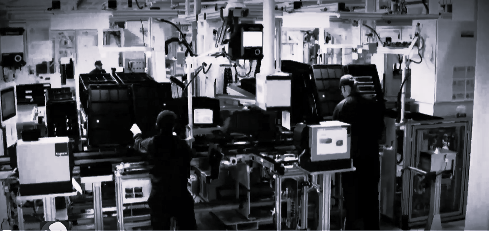
China now dominates key segments of the global clean energy supply chain. It produces a significant majority of the world’s solar panels, controls a large share of lithium-ion battery production , and leads in the manufacturing of electric vehicles . As oil prices surge and governments search for alternatives, demand for these technologies is rising rapidly. What makes China’s position particularly powerful is not just its scale, but its ability to offer affordable solutions at a time when cost pressures are intensifying worldwide.
The effects of this shift are already visible across different regions. In Europe, soaring gas prices have accelerated the adoption of rooftop solar systems and increased interest in electric mobility. Households and businesses are investing in renewable energy not just for environmental reasons, but to protect themselves from volatile energy costs. In Southeast Asia, Chinese electric vehicle manufacturers are expanding aggressively, offering competitively priced models that appeal to cost-conscious consumers. Even in economically strained countries, solar energy is becoming an attractive option to reduce the burden of expensive oil imports.
This rapid transition highlights a fundamental change in how energy is perceived. Fossil fuels, once considered reliable and indispensable, are now seen as unpredictable and politically risky. In contrast, renewable energy offers a degree of energy independence that was previously difficult to achieve. Countries are beginning to realize that controlling their own energy generation—through solar, wind, and storage technologies can provide greater stability than relying on global oil markets.
The crisis has also brought into sharp focus the contrasting strategies of major global powers. The United States, despite its vast oil reserves and production capabilities, continues to rely heavily on fossil fuels. While this approach has ensured short-term energy security, it has also exposed vulnerabilities in the face of global price fluctuations. Rising fuel costs are putting pressure on industries and consumers alike, highlighting the limits of an oil-centric strategy in an increasingly volatile world.
China, on the other hand, is leveraging its investments in clean energy to expand its global influence. Its companies are not only exporting products but also building partnerships and infrastructure in key markets. From Southeast Asia to Africa, Chinese technology is becoming an integral part of national energy systems. This expansion is not merely economic it is strategic, positioning China as a central player in the future of global energy.
For countries like India, the situation presents both opportunities and challenges. On one hand, rising oil prices are increasing the country’s import burden and contributing to inflation. With a significant portion of its energy needs met through imports, India is particularly vulnerable to global disruptions. On the other hand, the crisis is accelerating the country’s transition toward renewable energy. Government initiatives focused on solar power, green hydrogen, and electric mobility are gaining momentum, and there is a growing push toward self-reliance in energy production.
However, this transition is not without its complications. Much of the technology required for renewable energy—especially solar panels and battery components still depends heavily on imports from China. This creates a new form of dependency, raising concerns about long-term strategic autonomy. As India seeks to reduce its reliance on Middle Eastern oil, it must also address the risk of becoming overly dependent on Chinese technology. Strengthening domestic manufacturing and supply chains will be critical in navigating this complex landscape.
What makes the current moment particularly significant is the speed at which change is occurring. Energy transitions have historically taken decades, but the present crisis is compressing that timeline. Every increase in oil prices is pushing consumers and industries toward alternatives. Every disruption in supply chains is reinforcing the need for resilience. And every investment in renewable energy is reshaping the balance of power in the global economy.
At a deeper level, this is not just an economic transformation it is a redefinition of global influence. Control over oil resources once determined geopolitical power. Today, control over technology and supply chains is becoming equally important. China’s dominance in clean energy manufacturing gives it a significant advantage in this new landscape, allowing it to shape not only markets but also the direction of the global energy transition.
As the conflict continues, its long-term implications are becoming clearer. Even if the immediate crisis subsides, the changes it has triggered are likely to endure. Countries that accelerate their transition to renewable energy will emerge more resilient, while those that remain heavily dependent on fossil fuels may face continued vulnerability. In this evolving scenario, China’s role as a leader in clean energy is set to grow even stronger.
Ultimately, the Iran conflict is serving as a catalyst for a broader transformation. It is forcing governments, industries, and consumers to rethink how energy is produced, distributed, and consumed. The world is moving toward a system where stability, sustainability, and self-reliance are becoming central priorities.
And in that future, the balance of power will not be determined solely by who controls oil fields, but by who leads in the technologies that define the next era of energy.