
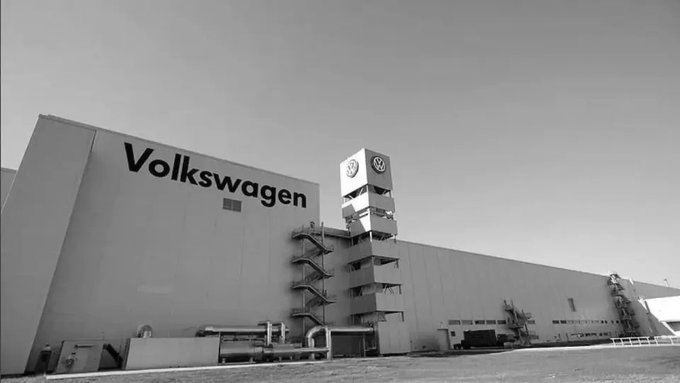
Volkswagen's 100,000 Job Cut Plan Sparks Union Fury, Strike Threat Looms From January
Volkswagen is facing renewed tensions with labour unions as Germany's biggest carmaker prepares to accelerate job cuts, reduce employee benefits and negotiate new wage agreements amid mounting financial pressure. The latest restructuring plans have triggered protests and raised the threat of strikes at its German factories.
The automaker is scheduled to begin wage negotiations with powerful labour representatives on Tuesday in the northern German town of Emden, home to one of its factories facing an uncertain future. Several hundred workers are expected to demonstrate ahead of discussions involving Volkswagen management, IG Metall union representatives and the company's works council.
The world's second-largest carmaker is under pressure from intensifying competition from China, billions of euros in annual tariff costs and rapid technological changes. As part of its broader restructuring, Volkswagen has outlined plans to cut 100,000 jobs globally. Four German factories could also face closure early next decade, while approximately 120,000 employees in Germany have been warned that domestic production has become too expensive.
Management is also seeking to withdraw several employee benefits to reduce costs amid sluggish sales, shrinking cash reserves and weak profit margins at its core Volkswagen brand.
According to a company letter dated Thursday, the proposals include scrapping special wage agreements for managerial employees and anniversary bonuses awarded after 25 and 35 years of service. The company also wants to end paid 20-minute breaks across its factories' three-shift system and withdraw paid leave on Christmas Eve and New Year's Eve.
The proposed measures have intensified tensions with unions, which argue that the latest restructuring plans violate a landmark agreement reached in late 2024. Under that deal, Volkswagen committed to cutting 35,000 jobs in exchange for employment and investment guarantees.
The union has warned that industrial action could begin from January 1, adding to labour unrest already affecting Germany's automotive sector.
Volkswagen's financial position has weakened further since the agreement. Its sales in China, which previously helped offset high production costs in Germany, have continued to decline. Meanwhile, its core operating margin is expected to fall to no more than 1% this year, compared with 5.9% in 2024.