
Visakhapatnam - City of Destiny Carved Between Sea and Hills
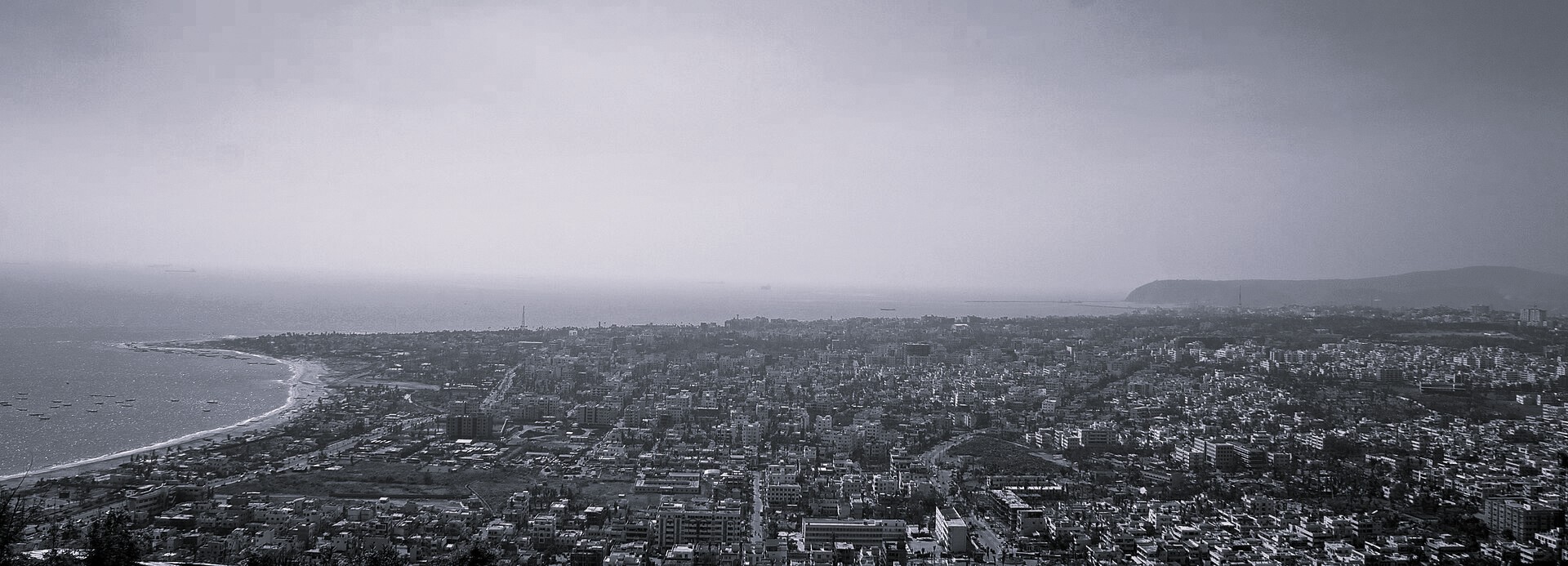
As the first rays of sunlight spill across the Bay of Bengal, Visakhapatnam begins its day with a quiet grace. The waves arrive in gentle rhythm, touching the shore as if whispering stories carried across centuries. Behind them, the Eastern Ghats stand tall, wrapped in green, watching over a city that has grown not just in size but in spirit.
Visakhapatnam, often called Vizag, is not merely a destination on a map. It is a city that lives in layers of history, culture, resilience, and transformation. It is where the calm of nature meets the pulse of industry, and where the past continues to walk alongside the present.
Echoes from an Ancient Land
Long before modern roads and ports shaped its identity, this region was part of the ancient Kalinga kingdom one of India’s most powerful early civilizations. Time moved differently then. Trade routes connected distant lands, rulers built empires, and stories were passed down through memory and myth.
Even today, the origins of the city’s name remain wrapped in mystery. Some believe it was named after a temple dedicated to a deity called Visakha, said to have once stood proudly near the coast before being swallowed by the sea. Others trace the name to Buddhist traditions, linking it to a follower of Gautama Buddha.
What is certain, however, is that Visakhapatnam has always been a place of significance shaped by dynasties like the Satavahanas, Pallavas, Cholas, and Eastern Gangas, each leaving behind traces of their legacy.
A Turning Point in History
There was a time when this land witnessed unimaginable violence. The Kalinga War, fought by Emperor Ashoka, changed not just the fate of an empire but the direction of history itself. The aftermath of the war left Ashoka deeply shaken, leading him to embrace Buddhism and dedicate his life to peace.
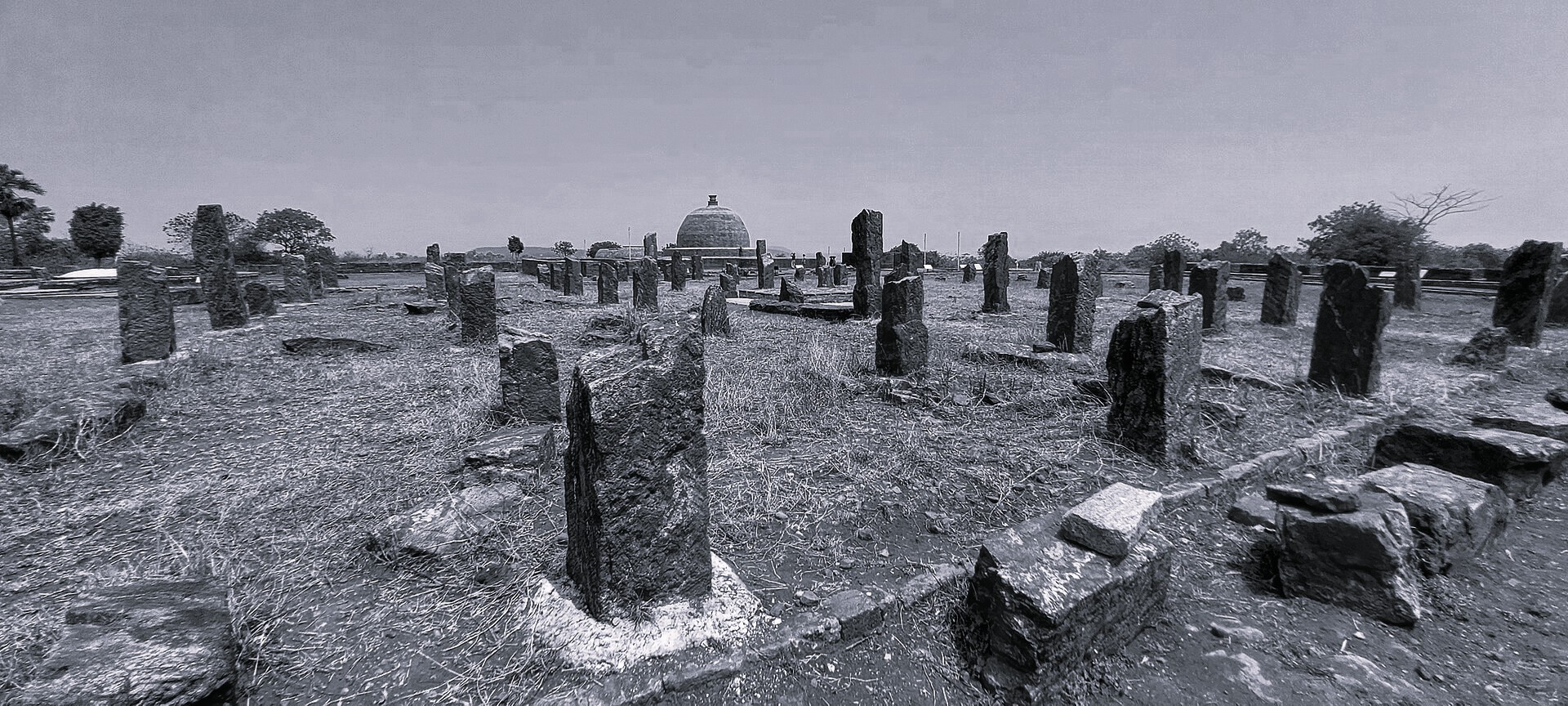
That transformation reached places like Visakhapatnam, turning them into centers of Buddhist learning and spiritual reflection. Even today, the hills surrounding the city preserve that quiet past. At Thotlakonda, Bavikonda, and Bojjannakonda, ancient ruins still stand monasteries, stupas, and meditation spaces that once echoed with chants and disciplined living.
Archaeological findings suggest that these were not isolated spiritual centers. They were part of a larger network connected to international trade routes, linking this coastal region to Rome and Southeast Asia. It is remarkable to imagine that centuries ago, monks and merchants shared the same landscape.
The Sea That Built a City
If history gave Visakhapatnam its depth, the sea gave it its direction.
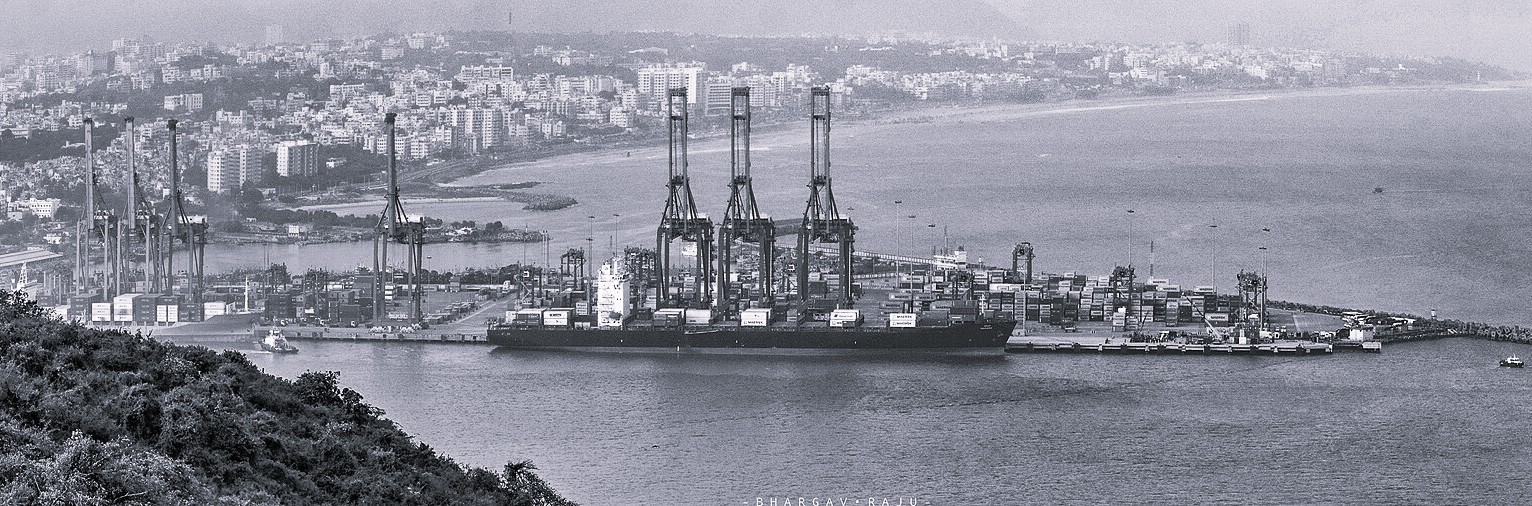
The city’s natural harbor one of the rarest of its kind became its greatest strength. Protected by the iconic Dolphin’s Nose hill, it offered safe anchorage long before modern ports were engineered. Ships carrying rice, spices, textiles, and other goods once sailed from here, connecting India to the wider world.
When European powers arrived in the 18th century, they quickly recognized the strategic value of this coastline. The British eventually took control, transforming Visakhapatnam into an important administrative and trading center. Over time, “Vizagapatam” became “Vizag,” and the city began its journey toward modernization.
Steel, Ships, and Strength
Post-independence India saw Visakhapatnam rise once again—this time as an industrial powerhouse. The establishment of the Vizag Steel Plant marked a defining chapter in its growth. Born out of a strong public movement, it became more than just an industry; it became a symbol of regional pride and aspiration.
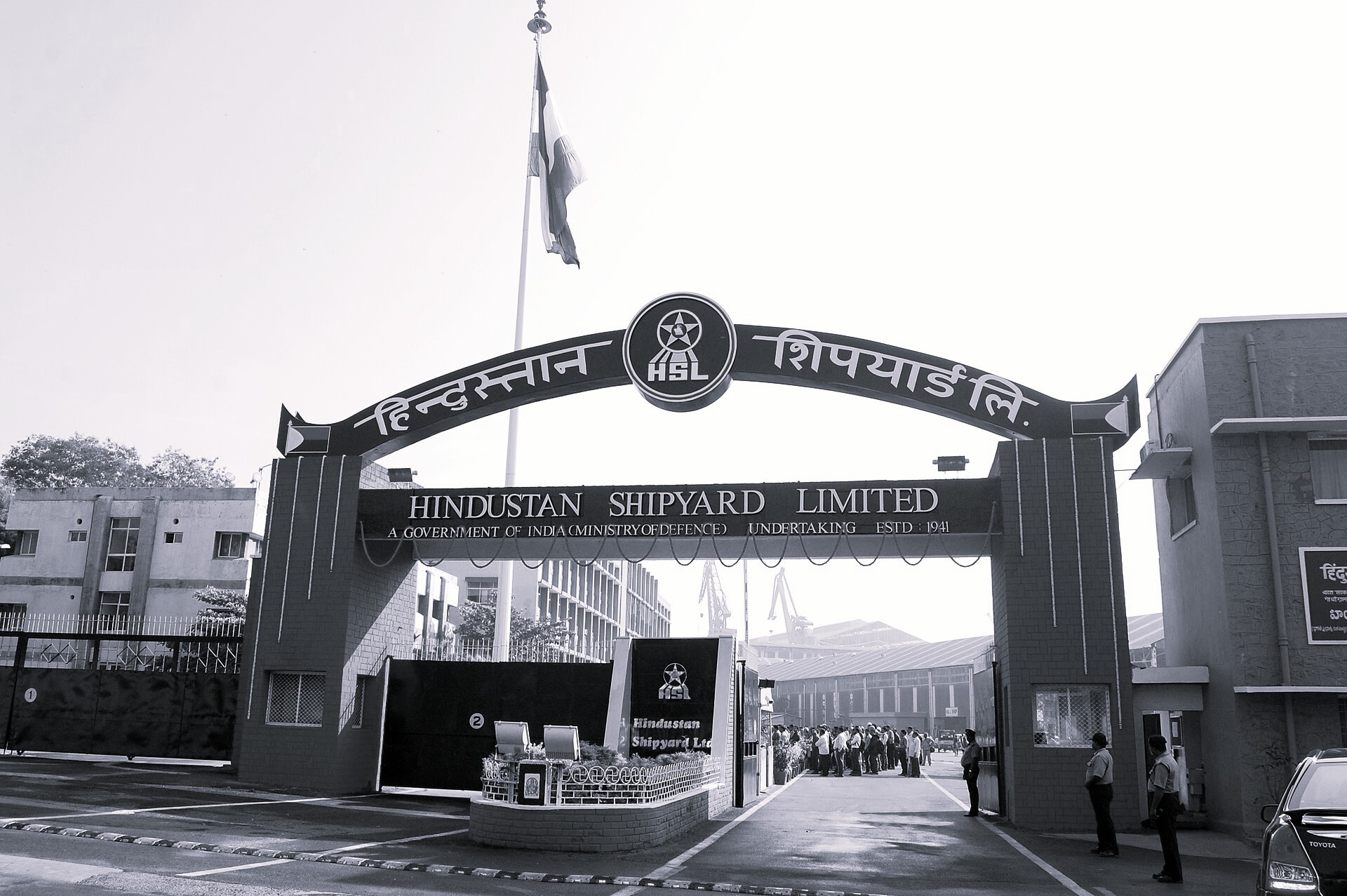
Soon, shipyards, oil refineries, and heavy engineering industries followed. The skyline began to change, and the city’s economy expanded rapidly. Yet, what makes Visakhapatnam unique is that even as industries grew, the city never allowed them to overshadow its natural beauty.
Here, you can see a cargo ship anchored in the distance while standing on a peaceful beach. You can drive past factories and, within minutes, find yourself surrounded by hills and greenery. It is this balance that defines Vizag’s character.
A Silent Guardian of the Seas
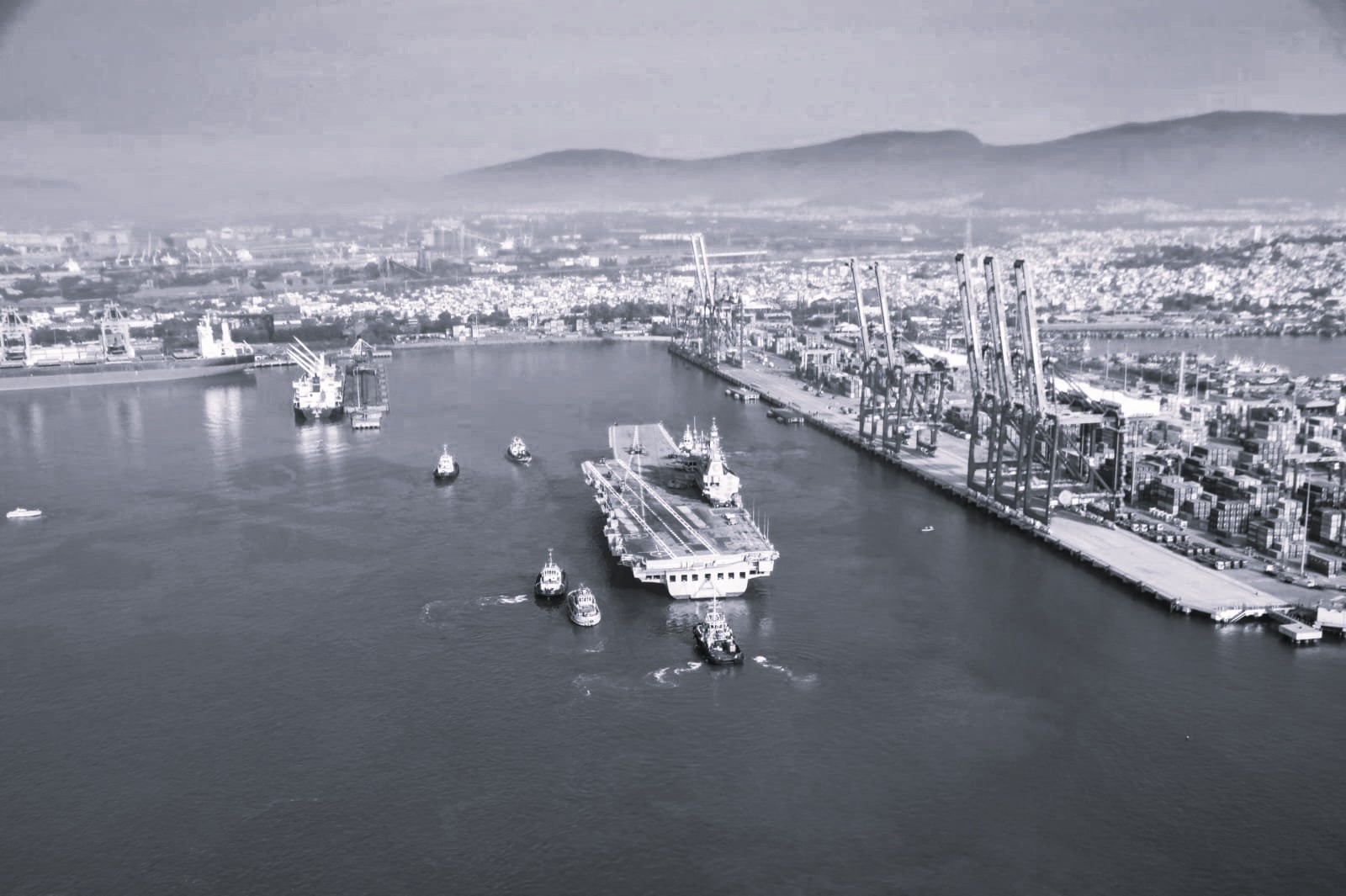
Beyond its visible identity, Visakhapatnam plays a crucial role in India’s defense landscape. It is home to the Eastern Naval Command, making it one of the country’s most strategically important cities.
Behind secured gates and along its vast coastline, naval operations quietly ensure national security. Submarines dock, ships are built and maintained, and cutting-edge research continues all largely unseen by the public. Yet, their presence adds another layer of importance to this already multifaceted city.
Faith Rooted in Everyday Life
In Visakhapatnam, spirituality is not distant it is deeply woven into daily life.
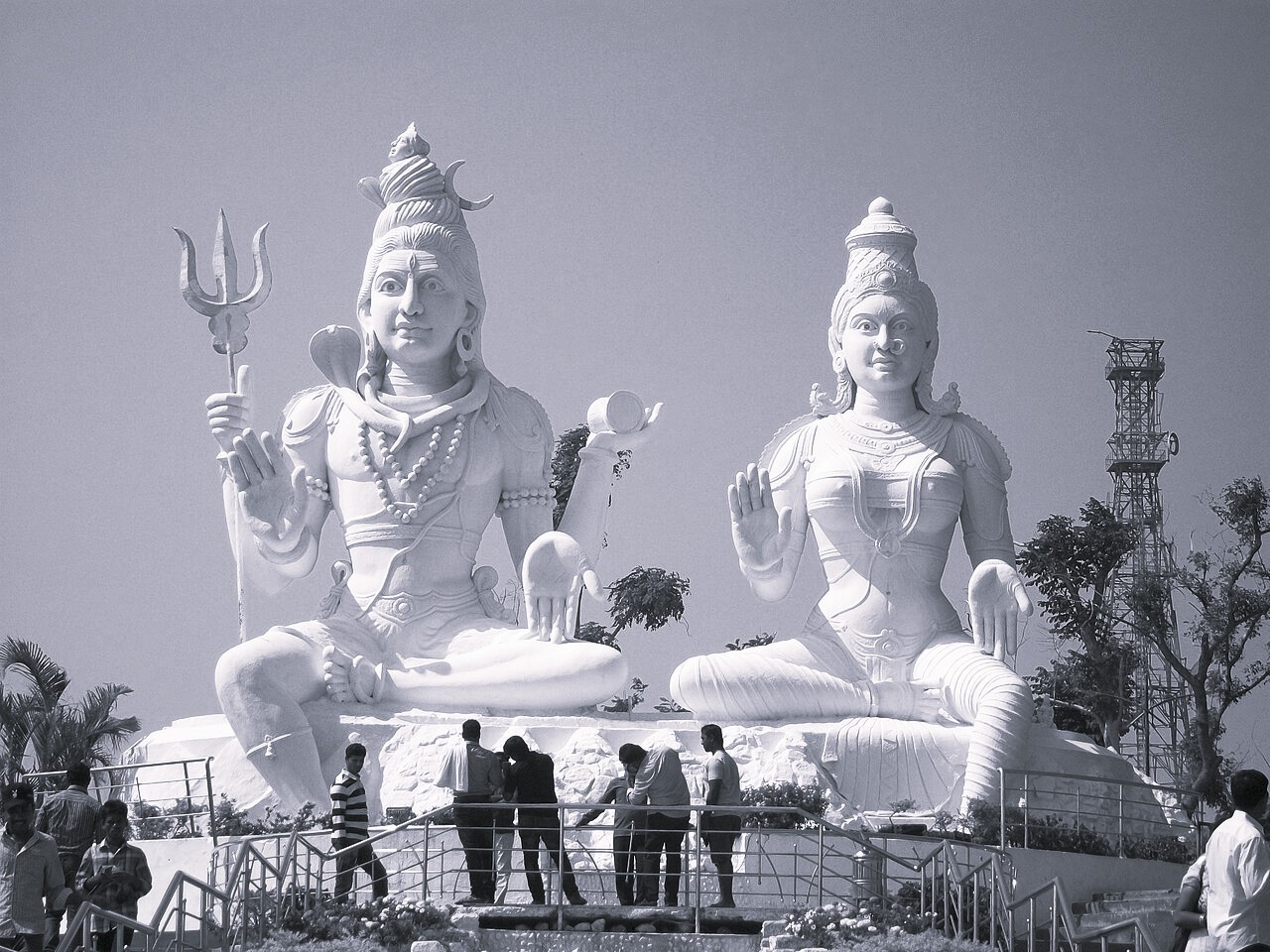
The Simhachalam Temple, perched on a hill, draws thousands of devotees who climb its steps with unwavering faith. Its rituals and architecture reflect centuries of devotion. In contrast, the Kanaka Mahalakshmi Temple in the old city stands open to the sky, offering a unique spiritual experience where the deity is directly exposed to nature.
These places are not just religious landmarks; they are emotional anchors for the people of the city. They represent continuity in a place that has constantly evolved.
Nature’s Gentle Masterpiece
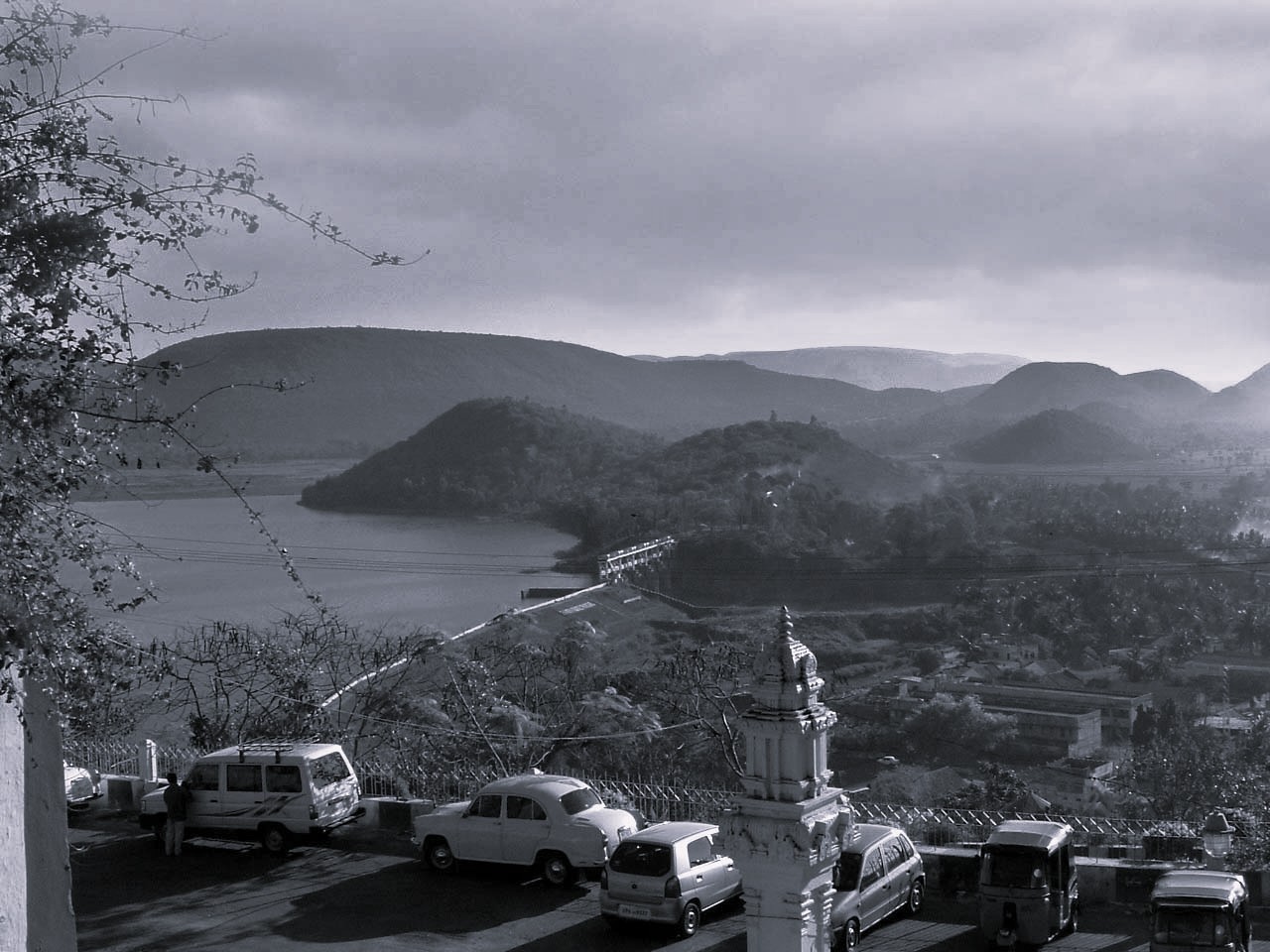
Perhaps the most captivating aspect of Visakhapatnam is its landscape. Few cities in India offer such a seamless blend of beaches, hills, valleys, and caves.
The Beach Road, stretching along the coastline, is the city’s lifeline. Mornings here are peaceful, with joggers and walkers greeting the day. Evenings bring families, street food vendors, and laughter, as the sun sets into the sea.
Not far from the city, Araku Valley unfolds like a painting lush green hills, coffee plantations, and mist-covered paths. The Borra Caves, formed over millions of years, stand as natural wonders hidden within the earth.
Adventure finds its place here too. From surfing at Rushikonda to exploring forest trails, Visakhapatnam offers experiences that go beyond sightseeing.
A City Moving Forward
Today, Visakhapatnam stands at the crossroads of tradition and transformation. With the rise of IT parks and initiatives like Fintech Valley, the city is stepping into the digital age. Infrastructure is improving, global companies are taking notice, and a new generation is shaping its future.
Yet, even in this rapid growth, the city has managed to retain its calmness—a rare quality in modern urban spaces.
More Than Just a Place
Visakhapatnam is not just about landmarks or industries or history. It is about how all these elements come together to create something deeply human.
It is in the sound of waves that never seem to stop.
It is in the hills that quietly stand through time.
It is in the resilience of a city that has faced storms and still smiles.
You don’t just visit Visakhapatnam.
You carry it with you.
Because in the end, Vizag is not just a city.
It is a feeling one that stays long after you leave.