
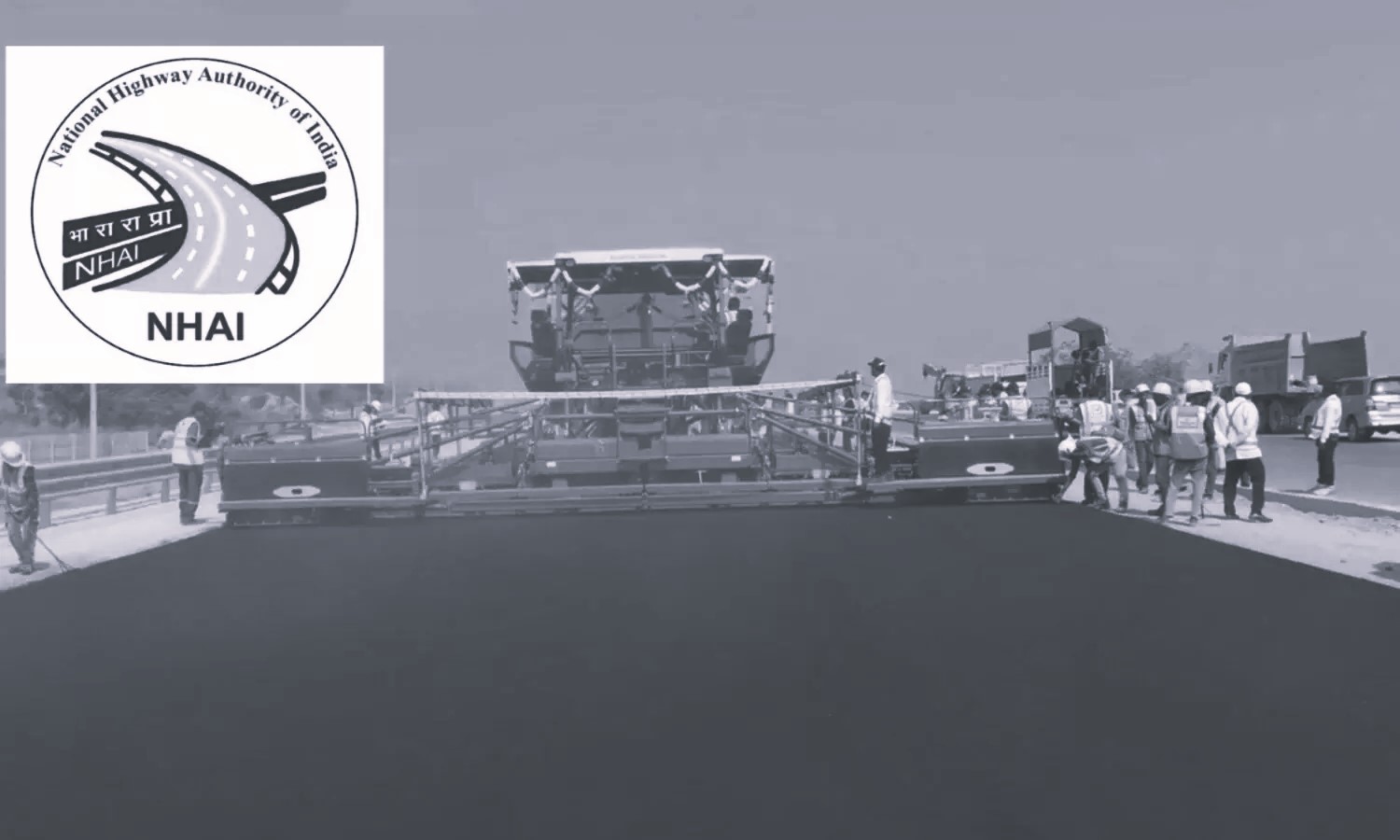
Vijayawada-Bengaluru expressway sets two Guinness World Records in Andhra Pradesh
In an unprecedented feat in road construction, the National Highways Authority of India (NHAI) has set two Guinness World Records on the Vijayawada-Bengaluru economic corridor (NH-544G). Within just 24 hours, engineers and workers completed road construction at an extraordinary pace, marking a historic milestone for Andhra Pradesh.
The achievement was carried out by Rajpath Infracon Pvt. Ltd., which built 28.95 lane-kilometers of road in a single day, using 10,675 metric tons of bituminous concrete. The scale and speed of this work are reportedly a world first, earning official recognition from Guinness World Records.
Andhra Pradesh Chief Minister N. Chandrababu Naidu expressed his delight over the accomplishment on social media. He credited the vision of the central government and the leadership of Union Transport Minister Nitin Gadkari for this success. CM praised the engineers and laborers for their dedication and commitment to maintaining quality while adhering to strict NHAI standards.
The team is not stopping here. Work on Packages 2 and 3 of the corridor aims to set another two Guinness World Records, with teams ready to achieve this milestone by January 11. The Chief Minister extended his best wishes to the teams for these upcoming achievements.
Once completed, this six-lane greenfield expressway under the Bharatmala project will significantly reduce travel time between Amaravati and Bengaluru - from the current 12-14 hours to around six hours. Spanning over 500 kilometers, the highway passes through Andhra Pradesh districts including Guntur, Prakasam, Kurnool, Kadapa, and Anantapur, before entering Karnataka. The project is estimated to cost ₹30,000-35,000 crore.
The expressway is expected to boost connectivity between the Rayalaseema and Coastal Andhra regions, facilitating balanced regional development. Faster travel will benefit trade and logistics, attract new industries, create jobs for local youth, and improve infrastructure in the areas it passes through. Land values are also expected to rise, providing financial gains for farmers and local communities.