
Vijayawada Hosts First National Saras Mela to Empower Rural Women
The first-ever National Saras Mela in Vijayawada is attracting large numbers of visitors, offering rural women an important platform to showcase their products, expand their businesses and explore new markets across India. Sudhir Kumar, Additional Director of the National Institute of Rural Development (NIRD), said the event aims to promote women entrepreneurs and create better marketing opportunities for products made by Self-Help Group (SHG) members.
Speaking to the media on Saturday at the exhibition venue near Punnami Ghat, he said the mela is being organised by the Union Ministry of Rural Development with the support of the Andhra Pradesh Society for Elimination of Rural Poverty (SERP).
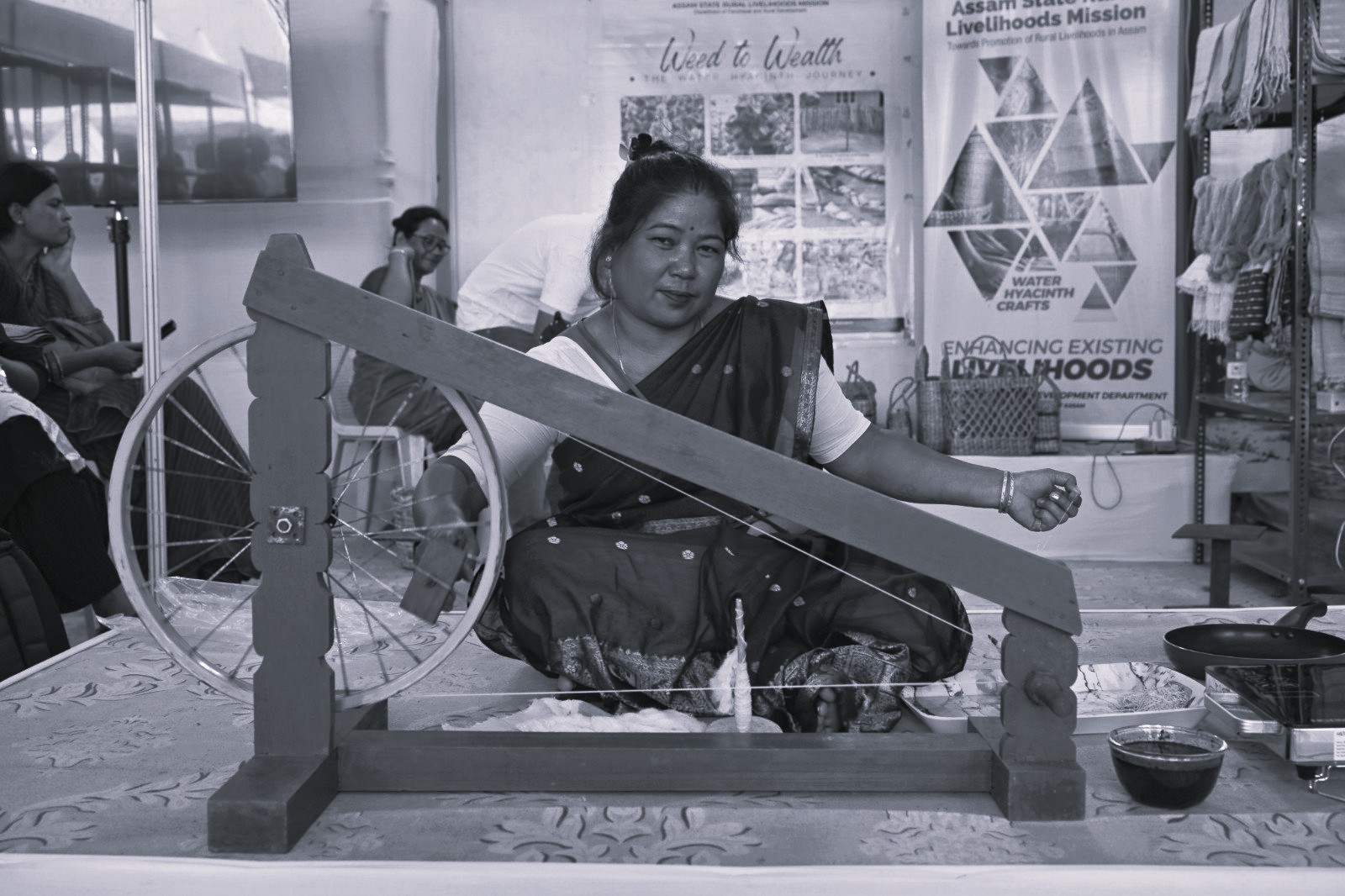
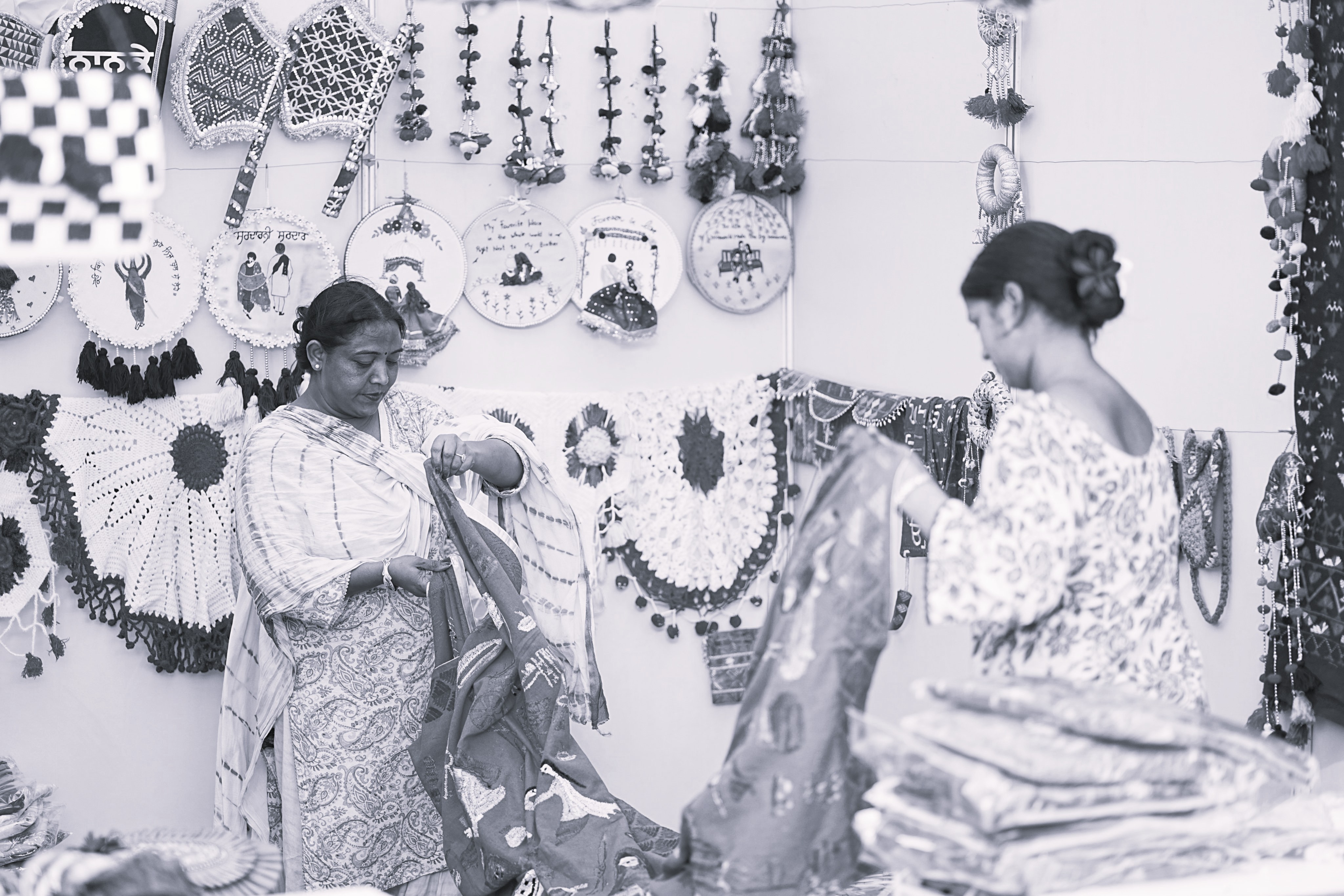
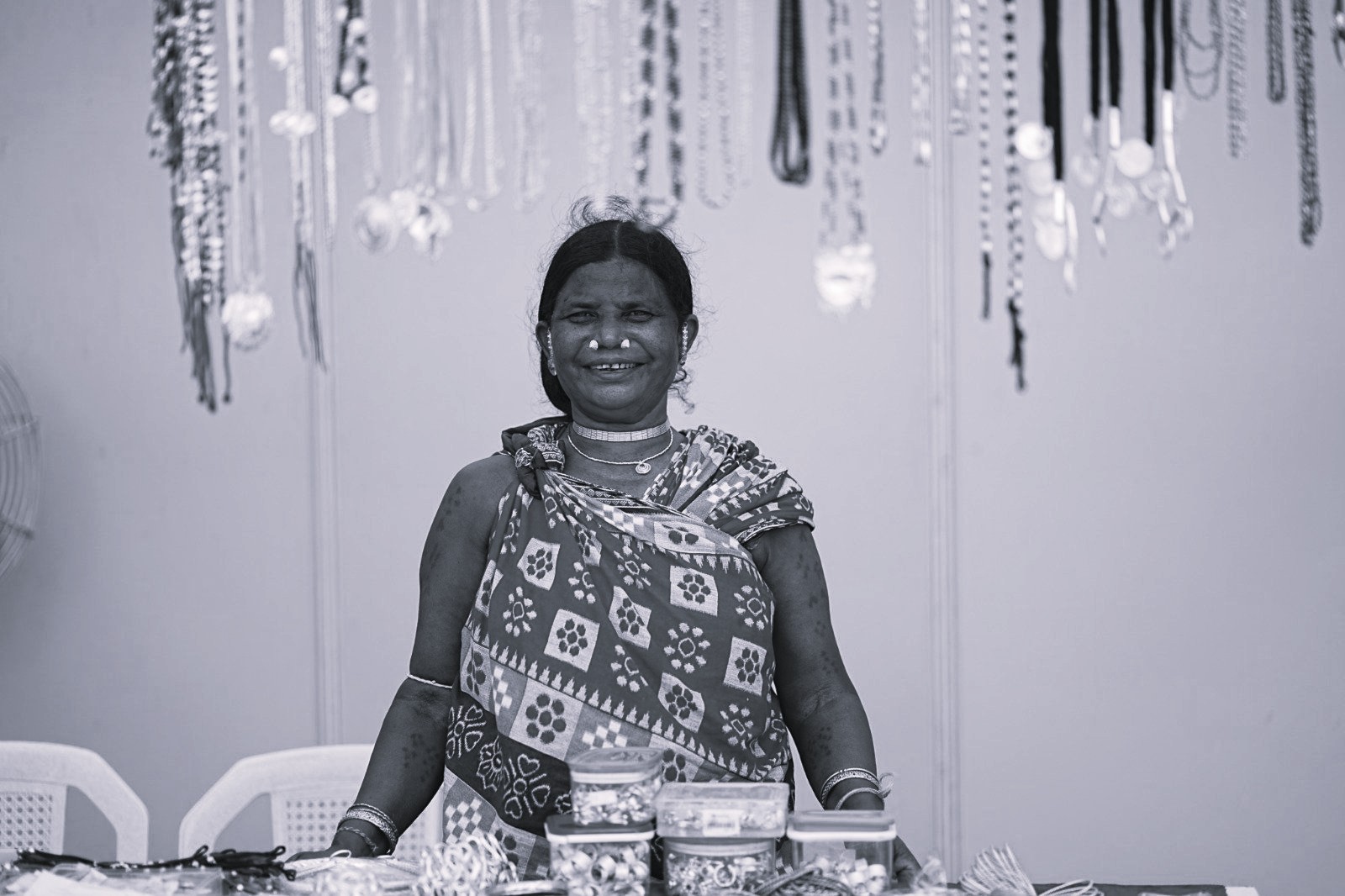
Around 600 stalls have been set up at the exhibition, displaying a diverse range of products, including handloom textiles, handicrafts and natural food items. Nearly 1,500 women entrepreneurs from different states and Union Territories are participating in the event. A dedicated food court featuring 50 live food stalls offers visitors traditional cuisines from various parts of the country.
Special pavilions have been established to provide a comfortable environment for participants and visitors while helping SHG members understand government support programmes. The Convergence Pavilion explains schemes and initiatives implemented by different government departments and provides information on opportunities available to women entrepreneurs.
The mela also focuses on helping rural women develop their products into recognised brands and reach national and international markets. At the Meet and Greet Pavilion, experts from NIRD, Panchayati Raj institutions and other sectors conduct training sessions on branding, packaging, export marketing and value-chain management.
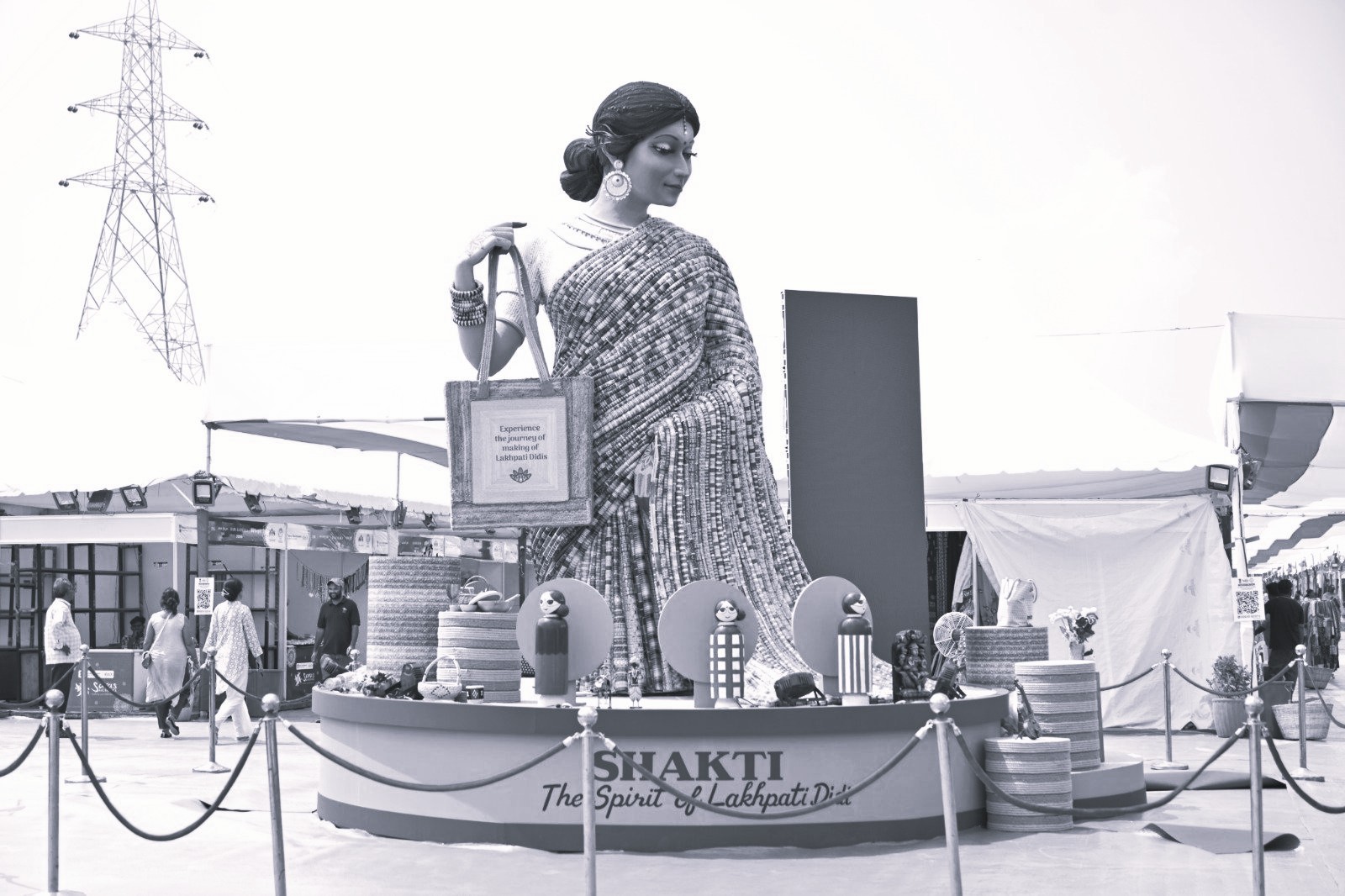
The Lakhpati Didi Pavilion highlights the achievements, business skills and distinctive products of successful women entrepreneurs, inspiring others to pursue economic independence through enterprise.
According to Sudhir Kumar, the exhibition goes beyond product sales by connecting rural producers with wider markets and strengthening their business capabilities. The display of traditional handloom products, handicrafts, natural food items and indigenous art forms also showcases India's cultural diversity while creating opportunities for rural women to build sustainable livelihoods.