
Vietnam President To Lam Meditates at Bodh Gaya Ahead of Key Talks With PM Modi
Vietnamese President To Lam , on his first State Visit to India (May 5–7) , visited Gaya Ji on Tuesday where he meditated under the Bodhi Tree and offered prayers at the Mahabodhi Temple , officials said.
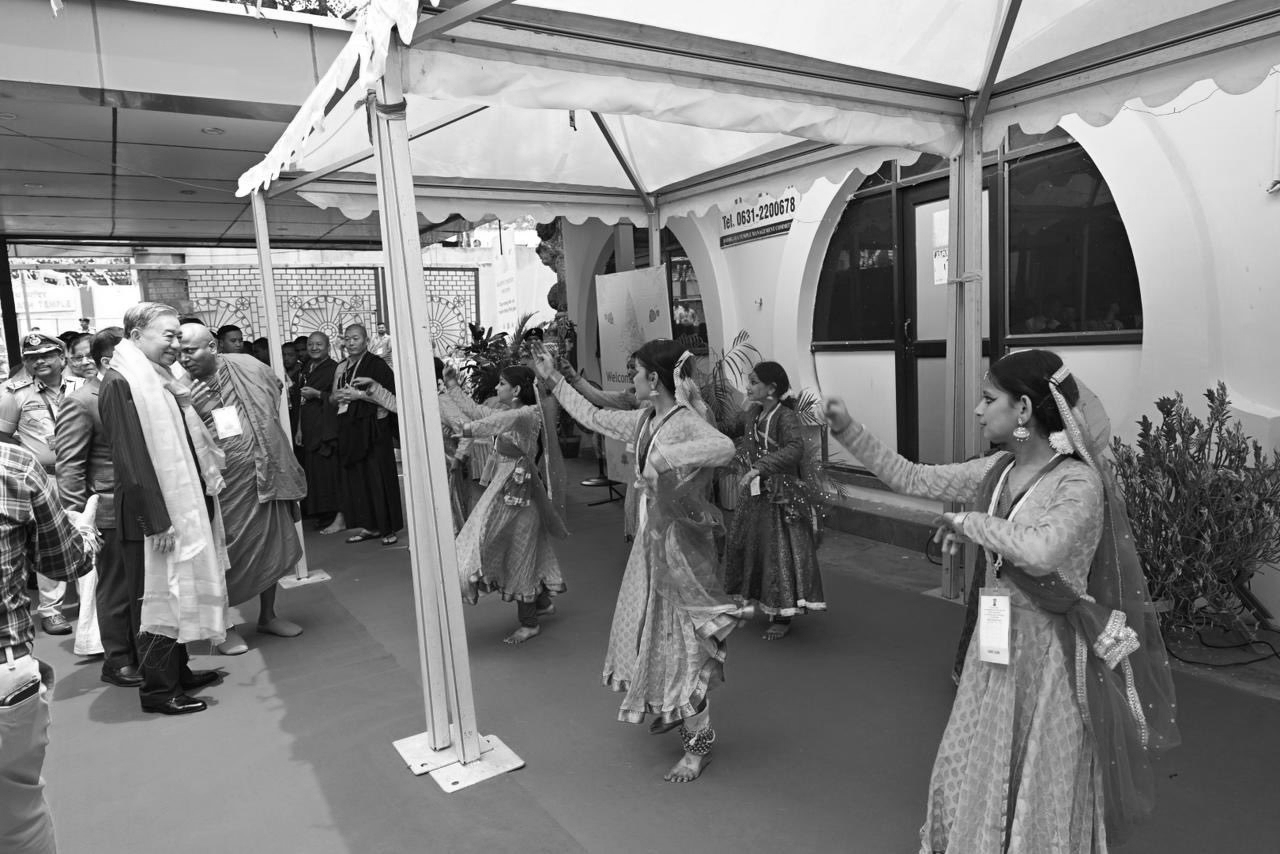
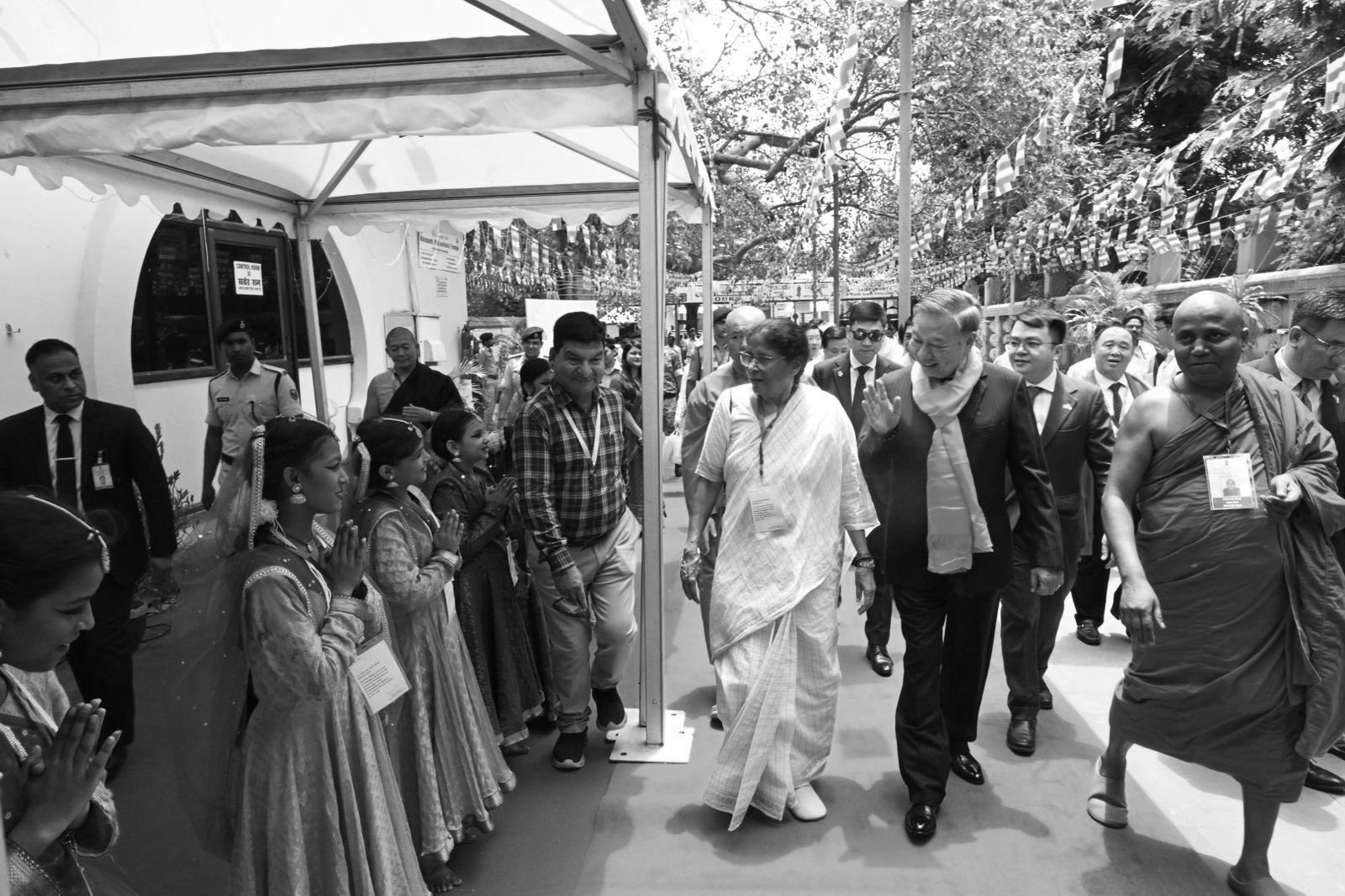
He was received at the Gaya airport by Chief Minister Samrat Choudhary along with senior officials. The Chief Minister extended a warm welcome, stating, “The spiritual, cultural and heritage city of Gaya Ji warmly honours the arrival of the esteemed President of Vietnam.” He added that the visit would further strengthen India–Vietnam relations .
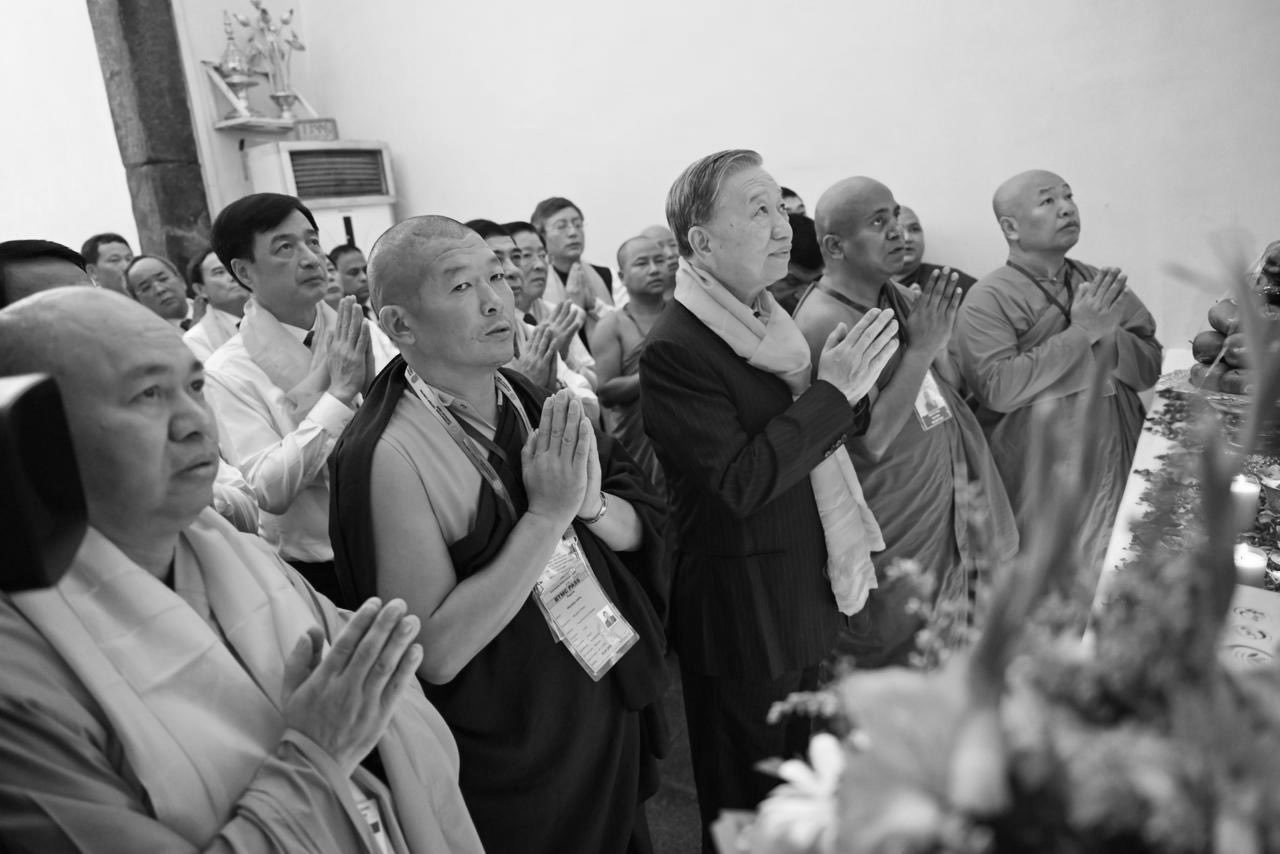
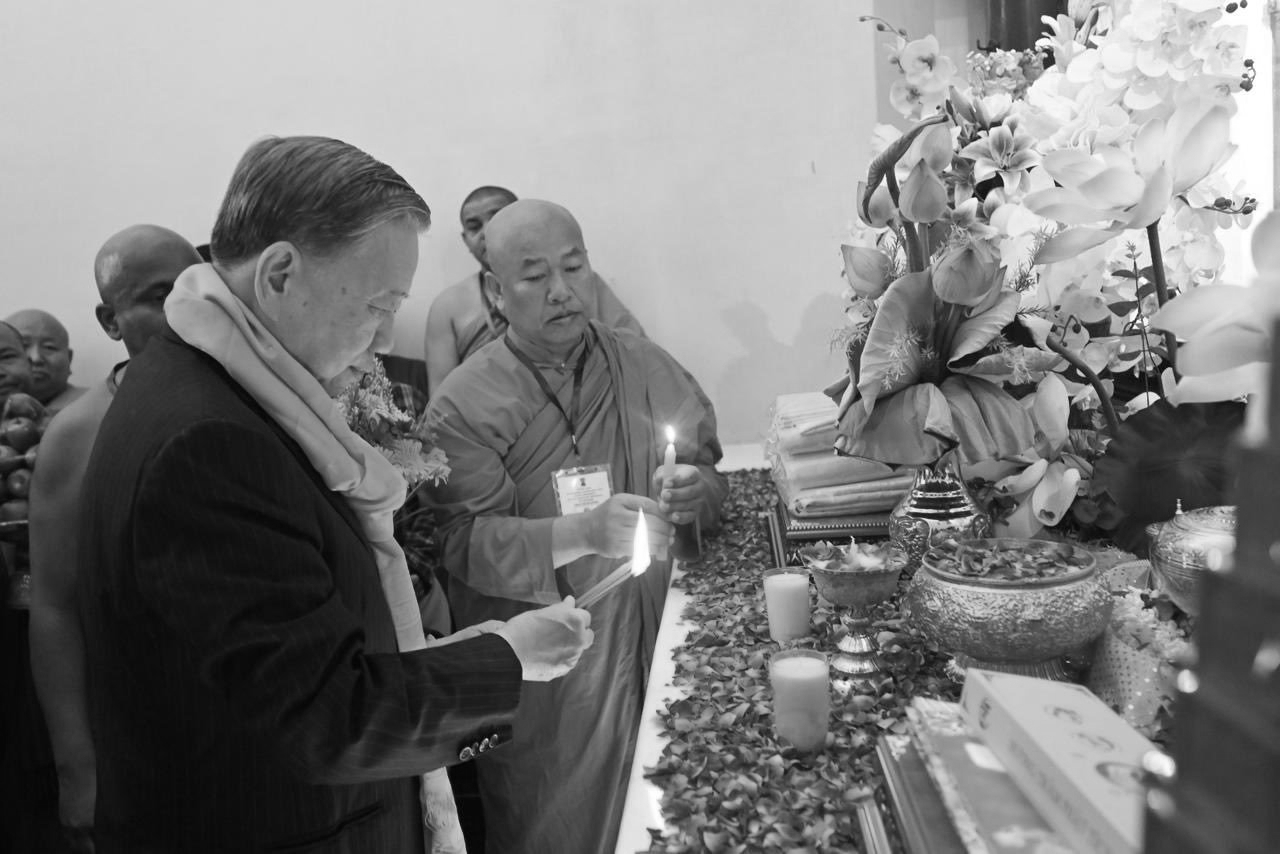
During his visit, To Lam also visited the UNESCO World Heritage Mahabodhi Temple , spent time in meditation beneath the sacred Bodhi Tree, and visited the Vietnamese monastery in Bodh Gaya. Officials said he appeared deeply moved by the spiritual atmosphere of the site.
The President’s visit drew attention as visuals from Bodh Gaya showed him offering prayers and participating in Buddhist rituals, reflecting the strong civilisational link between the two nations.
Former Bihar Legislative Assembly Speaker Prem Kumar, who represents Gaya Town, said, “It is a matter of pride that the Vietnamese President visited this land of knowledge.”
Security was tightened across the area during the visit, with authorities making special arrangements for the high-level delegation accompanying the President.
To Lam is accompanied by senior ministers and business representatives, underlining expanding economic and strategic cooperation between India and Vietnam. The visit also coincides with the 10th anniversary of the Comprehensive Strategic Partnership between the two countries.
Later in the day, the President is scheduled to travel to New Delhi, where he will receive a ceremonial welcome. He will hold talks with Prime Minister Narendra Modi on Wednesday and meet President Droupadi Murmu .
Discussions are expected to cover defence cooperation, maritime security, trade, technology, and Indo-Pacific strategy , marking a key phase in bilateral relations.