
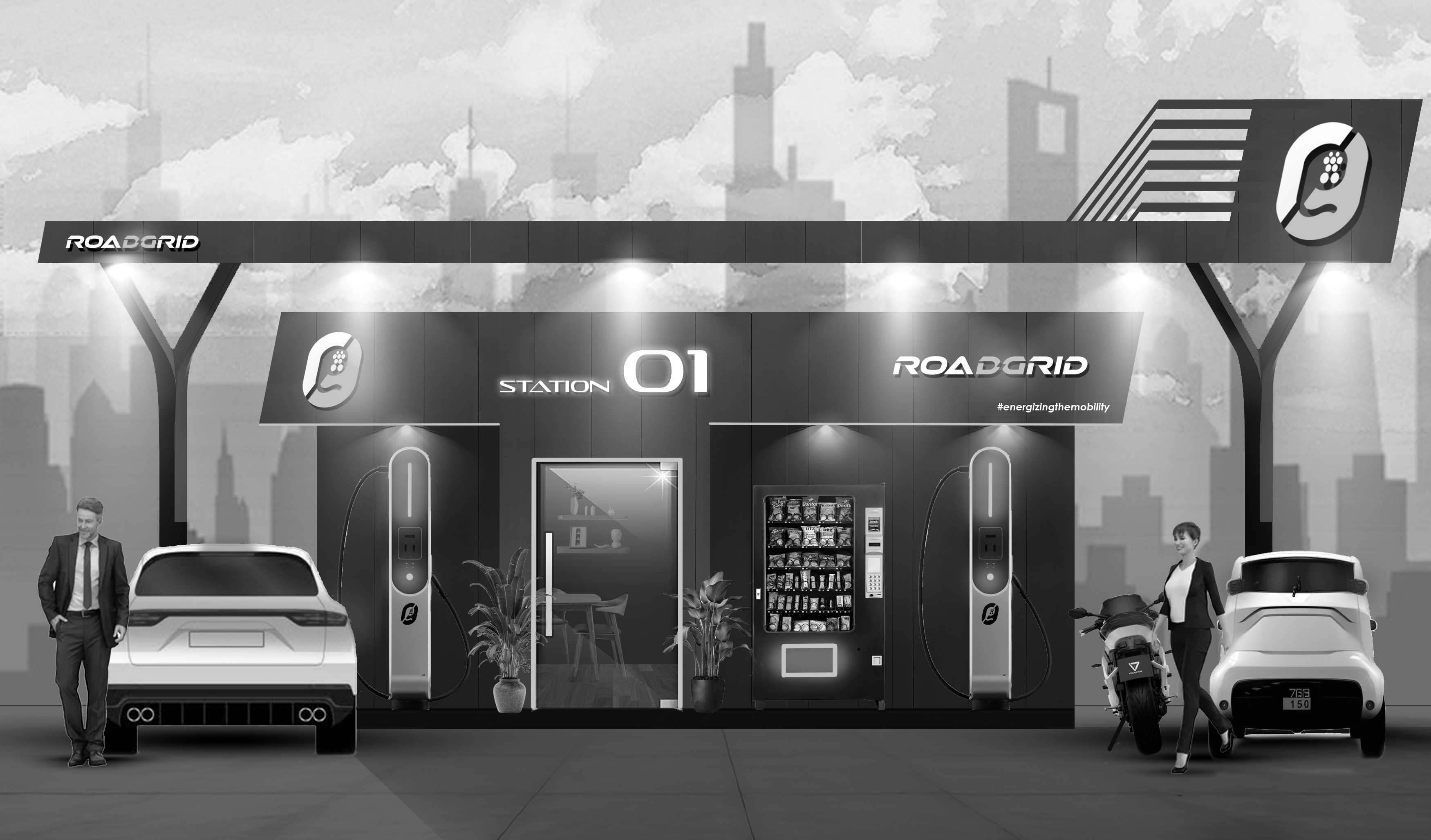
V-GREEN–RoadGrid pact highlights India’s EV charging push amid infrastructure challenges
The strategic collaboration announced by V-GREEN Charging Station Development India Private Limited and RoadGrid India Private Limited to expand fast electric vehicle (EV) charging stations across the country comes at a crucial moment for India’s electric mobility transition, as demand for EVs grows faster than charging infrastructure.
India’s EV market has expanded rapidly over the past five years. According to government data, total EV registrations crossed 4.1 million vehicles by the end of 2024 , led by two-wheelers and three-wheelers, while electric car sales are also rising steadily. However, the pace of charging infrastructure development has remained a key constraint, especially for fast chargers needed for passenger vehicles and highway travel.
As of mid-2025, India had around 12,000–13,000 public EV charging stations , a sharp increase from fewer than 2,000 in 2020. Despite this progress, the charger-to-vehicle ratio remains far below global benchmarks, and deployment is uneven, concentrated largely in metropolitan cities such as Delhi, Mumbai, Bengaluru and Hyderabad.
One of the biggest challenges is land availability and site acquisition, particularly in dense urban areas. Securing suitable locations with adequate power supply, parking access and regulatory clearances often delays projects. This is why partnerships that leverage existing infrastructure, such as fuel retail outlets operated by oil marketing companies, are increasingly seen as critical.
Another major bottleneck is grid capacity and power reliability. Fast chargers require high-load connections, and in several cities and highway stretches, distribution infrastructure upgrades are still needed. Industry estimates suggest that upgrading local distribution networks can account for up to 30–40 per cent of charging project costs in certain locations.
High capital costs and uncertain utilisation levels also continue to deter private investment. While the cost of slow and moderate chargers has declined, DC fast chargers remain expensive, and operators often face low initial demand, affecting viability. This has made government support and public-private partnerships essential in the early stages of market development.
Under the V-GREEN–RoadGrid partnership , V-GREEN will lead the ownership, software integration, and overall management of the charging ecosystem, while RoadGrid will support execution through site identification, local liaising, approvals management, coordination with stakeholders, and on-ground operations and maintenance support. This combination of global experience and local execution aims to accelerate rollout, ensure high uptime and improve consumer experience.
Despite these constraints, India has made measurable progress. Under the FAME-II scheme, thousands of charging stations have been sanctioned across highways and urban centres. The government has also issued guidelines allowing 100 per cent foreign direct investment in EV charging infrastructure under the automatic route, helping attract global players.
State governments have played a growing role as well. More than 25 states and Union Territories have notified EV policies, offering incentives such as capital subsidies, electricity tariff concessions and faster approvals. Several states have also mandated charging infrastructure in new residential and commercial buildings.
The partnership reflects a broader shift towards ecosystem-based development, combining V-GREEN’s experience of operating around 150,000 charging ports in Vietnam with RoadGrid’s on-ground capabilities in India to address speed of deployment, uptime, and consumer experience.
As India aims to achieve 30 per cent electric vehicle penetration by 2030 , experts say scaling up fast, reliable and accessible charging infrastructure will be as important as vehicle affordability. Collaborations that integrate fuel retailers, city authorities, technology providers and global investors are likely to play a decisive role in closing the infrastructure gap.