
Veteran Maoist Leader Narahari Ends Underground Life After Four Decades
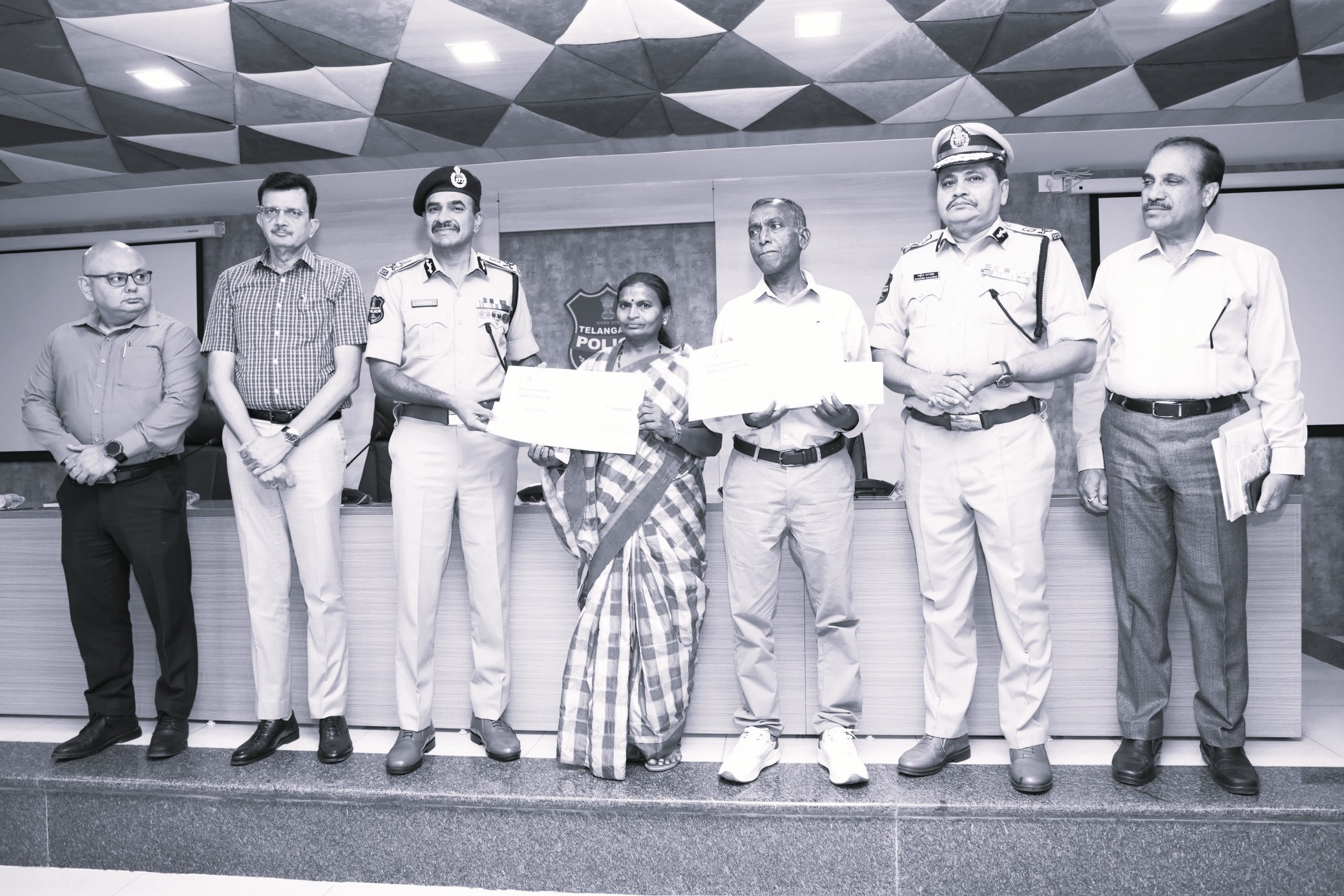
The surrender of senior Maoist leader Pasunoori Narahari alias Vishwanath and his wife Medar Danamma alias Latha before Telangana Police has dealt a major blow to the banned CPI (Maoist) organisation at a time when security agencies claim the insurgent movement is steadily weakening across the country. Narahari, a Central Committee member and secretary of the influential Bihar-Jharkhand Special Area Committee (BJSAC) , surrendered before Telangana Director General of Police C.V. Anand was in Hyderabad on Tuesday along with Danamma, who was also an active Maoist leader.
Addressing the media, DGP Anand described the surrender as a “significant organisational setback” for the Maoists, stating that the outfit’s remaining Eastern Regional Bureau was now close to collapse. He said the couple had been suffering from serious illnesses, including dengue and malaria , and were secretly provided treatment at a private hospital in Hyderabad before formally surrendering.
The development comes amid intensified anti-Maoist operations across Dandakaranya, Jharkhand, Chhattisgarh and Odisha , where security forces have increased pressure on underground cadres through coordinated intelligence-based operations. According to police officials, the shrinking operational network, declining cadre strength and growing logistical difficulties have severely weakened the insurgency in recent years.
Speaking after surrendering, Narahari admitted that continuing armed struggle had become increasingly difficult due to repeated setbacks suffered by Maoist units across multiple regions. He revealed that he had taken prior approval from senior Politburo leader Misir Besra before deciding to return to mainstream life. Narahari also acknowledged that Telangana’s rehabilitation policy influenced his decision to surrender.
Originally from Somidi village in Hanumakonda district , Narahari joined the then People’s War Group in 1982 after being influenced by the Radical Students Union (RSU) during his student days in Warangal. Over four decades, he emerged as one of the Maoist movement’s most experienced technical leaders, with expertise in manufacturing mortars, rocket-propelled grenades, landmines and claymore explosives . Police said he also trained armed cadres in weapons production and repairs.
Danamma, who married Narahari in 1988, spent seven years in prison after her arrest in Nagpur in 2004 before allegedly rejoining Maoist activities. Under Telangana’s rehabilitation policy, authorities handed over reward amounts of ₹25 lakh and ₹20 lakh to Narahari and Danamma respectively.
The Telangana DGP said more than 822 Maoists have surrendered since 2024 , including 264 this year alone, reflecting what officials describe as the rapid decline of the Maoist movement in India.