
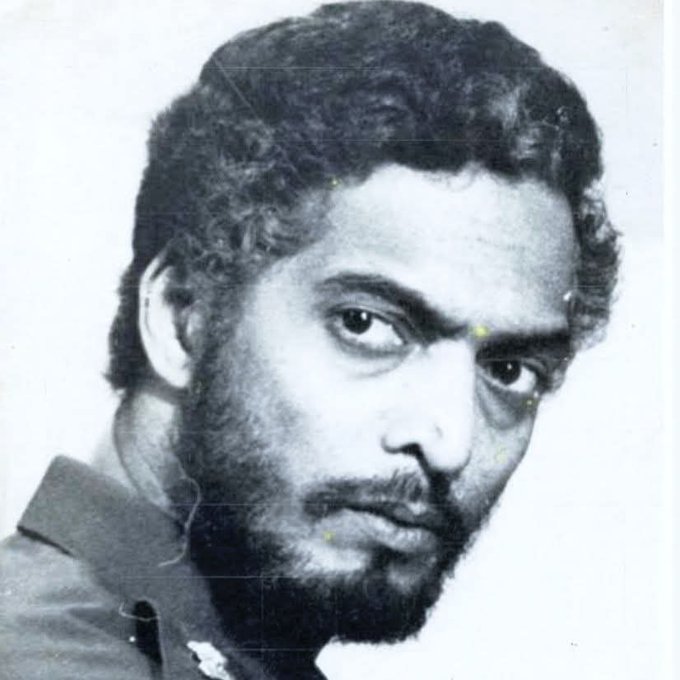
Veteran Actor Nana Patekar Dies At 75, An Unforgettable Actor, A Powerful Voice, A Legacy That Lives On
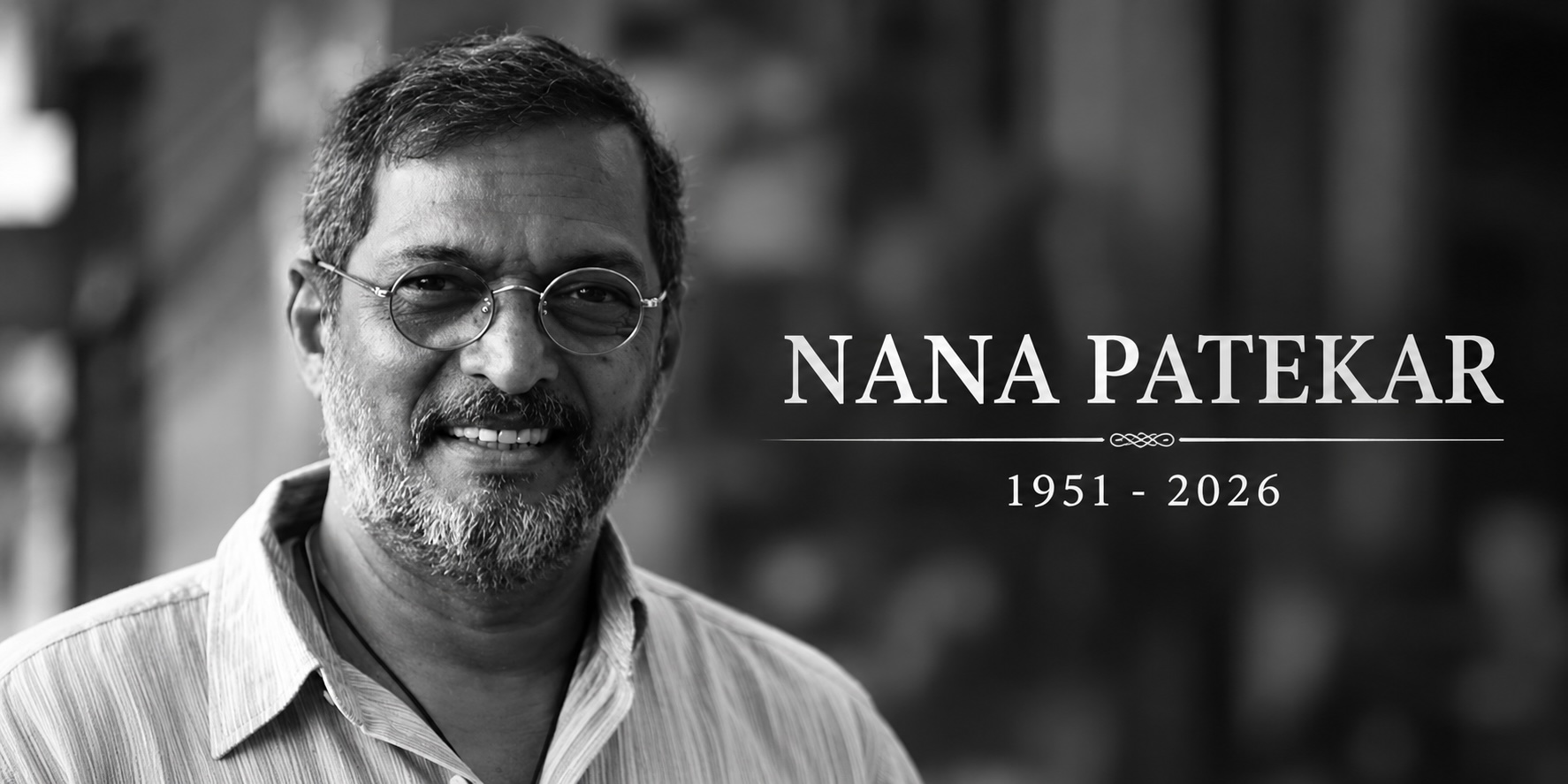
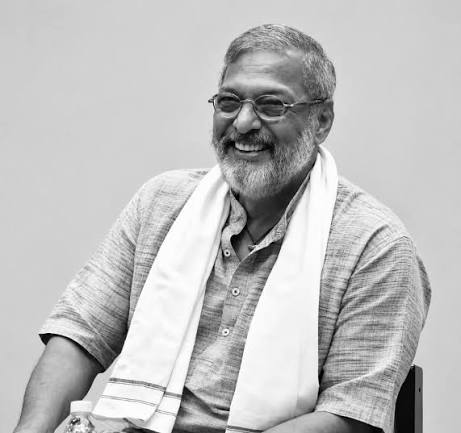
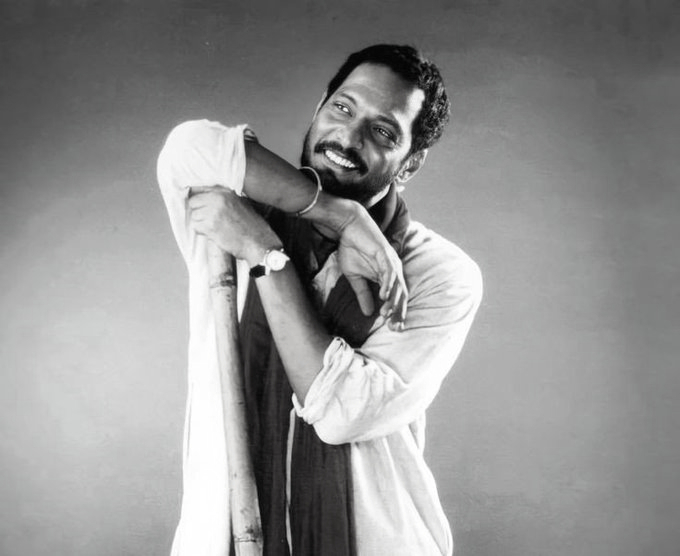
Veteran actor Nana Patekar, whose unmistakable voice, fierce screen presence and deeply human performances made him one of Indian cinema’s most distinctive performers, died on Thursday at the age of 75, leaving behind a career that spanned nearly five decades and moved effortlessly between Marathi theatre, parallel cinema and mainstream Bollywood.
Patekar died at his residence in Dona Paula, Goa, after suffering a cardiac arrest. He was found unconscious and taken to hospital, where doctors tried to revive him for around 45 minutes. He was declared dead at about 5.20 am. His mortal remains were taken to Pune, where his last rites were to be performed at his farmhouse in Donje near Khadakwasla with full state honours, in recognition of his contribution to Marathi theatre and Hindi and Marathi cinema.
In a poignant coincidence, Patekar’s last public appearance came only four days before his death. At an event in Goa on October 4, he had said, “I don't know whether I will be here tomorrow.” Those words acquired an unsettling poignancy after his sudden passing.
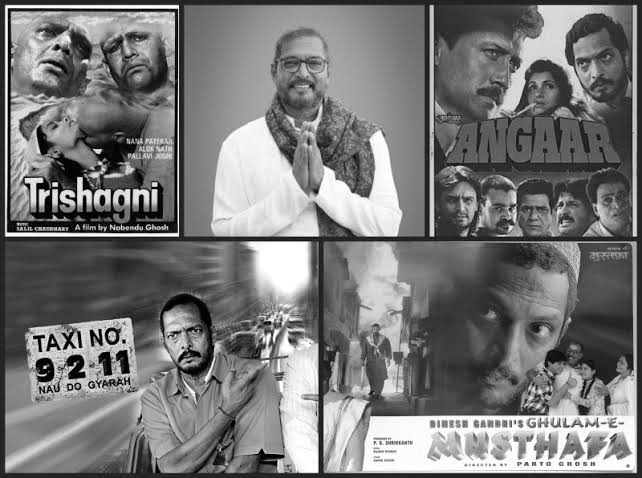
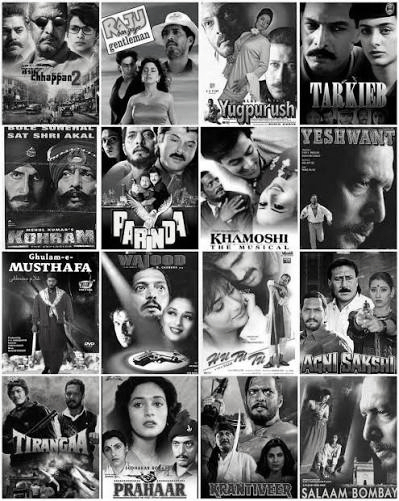
Born Vishwanath Patekar, Nana began his journey in Marathi theatre before making his film debut with Gaman in 1978. He gradually established himself as an actor who could make anger, vulnerability, fear, humour and silence equally compelling. His breakthrough came with Parinda, followed by memorable performances in Prahaar: The Final Attack, Tirangaa, Krantiveer, Khamoshi: The Musical, Agni Sakshi, Ab Tak Chhappan, Apaharan, Raajneeti, Natsamrat and Welcome. He also appeared in Mira Nair’s Oscar-nominated Salaam Bombay!.
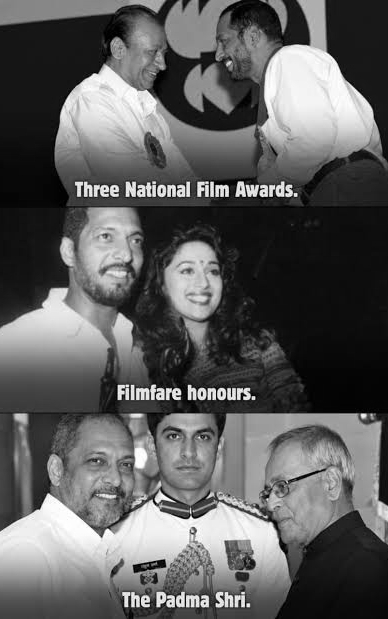
His awards reflected the extraordinary range of that career. Patekar won three National Film Awards, Best Supporting Actor for Parinda and Agni Sakshi, and Best Actor for Krantiveer. He also won four Filmfare Awards, including for Parinda, Angaar, Krantiveer and Apaharan, besides two Filmfare Awards Marathi. He received the Maharashtra State Film Award and was honoured with the Padma Shri in 2013 for his contribution to the arts.
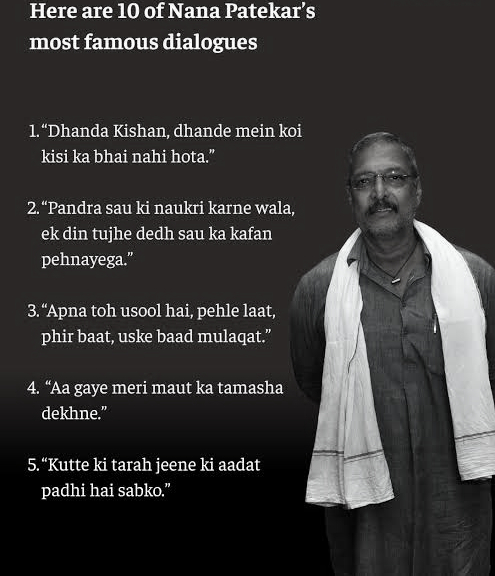
But Patekar’s impact cannot be measured only through trophies. His dialogues became part of popular culture because he delivered them with an intensity that made them feel less like scripted lines and more like spontaneous bursts of emotion.
In Krantiveer, his voice carried anger and anguish in lines such as “Aa gaye meri maut ka tamasha dekhne?” and the powerful challenge, “Yeh Musalman ka khoon, yeh Hindu ka khoon... bata, ismein Musalman ka kaunsa, Hindu ka kaunsa, bata!” Another line from the same film, “Kutte ki tarah jeene ki aadat padhi hai sabko,” captured the rawness that became synonymous with his performances. And in Welcome, he turned that intensity into comedy with the unforgettable “Bhagwan ka diya hua sab kuch hai. Daulat hai. Shohrat hai. Izzat hai...”
Away from the screen, Patekar was closely associated with Naam Foundation, which he co-founded with actor Makarand Anaspure. The organisation worked on water conservation and support for farmers, particularly in drought-hit parts of Maharashtra. His commitment to social causes became another important part of his public life.
He also had an unusual connection with Indian shooting, supporting shooters with equipment and eventually participating in the sport himself. His contribution to the sporting community was another lesser-known side of a man better known to millions for his performances on screen.
Patekar continued working well into his seventies, appearing in films including The Vaccine War, Ole Aale, Vanvaas and Housefull 5. His later work showed that even after decades in the industry, he remained willing to move between serious drama, commercial cinema and character roles.
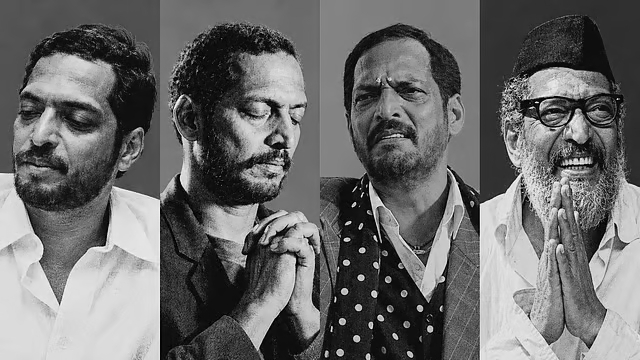
For generations of viewers, however, Nana Patekar will remain the actor whose voice could command a room, whose silence could carry a scene and whose characters rarely felt ordinary. He did not merely deliver dialogues; he gave them a rhythm, a temperament and a life of their own.
With his final journey ending in Pune with state honours, Indian cinema has lost an actor who was impossible to imitate and difficult to forget. Nana Patekar is gone, but the voice, the characters and the words remain, still fierce, still questioning and unmistakably his.