
Very Difficult: Sitharaman Says India-US Trade Talks Have Hit A ‘Plateau’
India-US trade talks have reached a “plateau” where giving or taking further concessions could be “very, very difficult”, Finance Minister Nirmala Sitharaman said on Monday, while stressing that negotiations on a trade agreement are still ongoing.
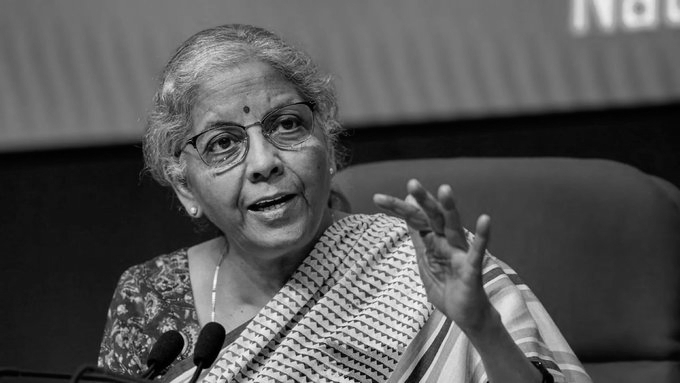
Speaking at the Munich Leaders Meeting in New Delhi, Sitharaman said both sides could still make progress if there is room for further negotiation.
“The agreement negotiations are still ongoing, although we'd like to believe that both sides have reached a plateau beyond which giving or taking might be very, very difficult. But maybe if there are rooms to operate from, both sides would do it,” she said.
Her comments came days after US Trade Representative Jamieson Greer said the India-US trade deal was in the “short strokes”, although it was not imminent. Greer made the remarks after meeting Commerce and Industry Minister Piyush Goyal on the sidelines of the G20 Trade Ministers’ Meeting in Milwaukee.
Greer said the two countries had identified the “universe” of sticking points and were working to resolve them. He also said US President Donald Trump and Prime Minister Narendra Modi could speak again to assess progress.
The negotiations have focused on expanding market access and reducing trade barriers, with differences remaining over tariffs, market access and the treatment of sensitive domestic sectors. Sitharaman's description of the talks as having reached a “plateau” suggests that resolving the remaining issues could require difficult compromises from both sides.
Sitharaman also cited India's recently concluded trade agreement with the European Union as an example of New Delhi's approach to major trade negotiations. Referring to European Commission President Ursula von der Leyen's description of the pact as the “mother of all deals”, she highlighted the scale of the markets covered.
She said India has opened 92.5 per cent of its tariff lines and around 97 per cent in value terms, while the EU has opened 99 per cent in value terms and possibly 97 per cent of tariff lines.
“Despite decimal points on the numbers, both sides on tariff lines and value are above 90 per cent,” she said, adding that the negotiations were structured around the complementarity of the Indian and European economies while protecting domestic sectors from excessive competition.
“The size of the European and Indian economy, the growing economy that is India, the middle class that is India, the size of the middle class which has got buying capacity in India - you have tied up two very powerful economies for the next 20-30 years,” she said.
Sitharaman said India must balance national interests with the changing global trade environment. “Ultimately, you’re tailoring the agreement to keep national interest alive but to survive in a very challenging global environment where no WTO laws are left to be respected. Everybody has broken the law,” she said.
She also said India has prepared a new template for bilateral investment treaties (BITs), which is expected to be approved shortly.