
Venezuela Oil Revenue to Be Spent on Its Basic Services Under U.S. Supervision
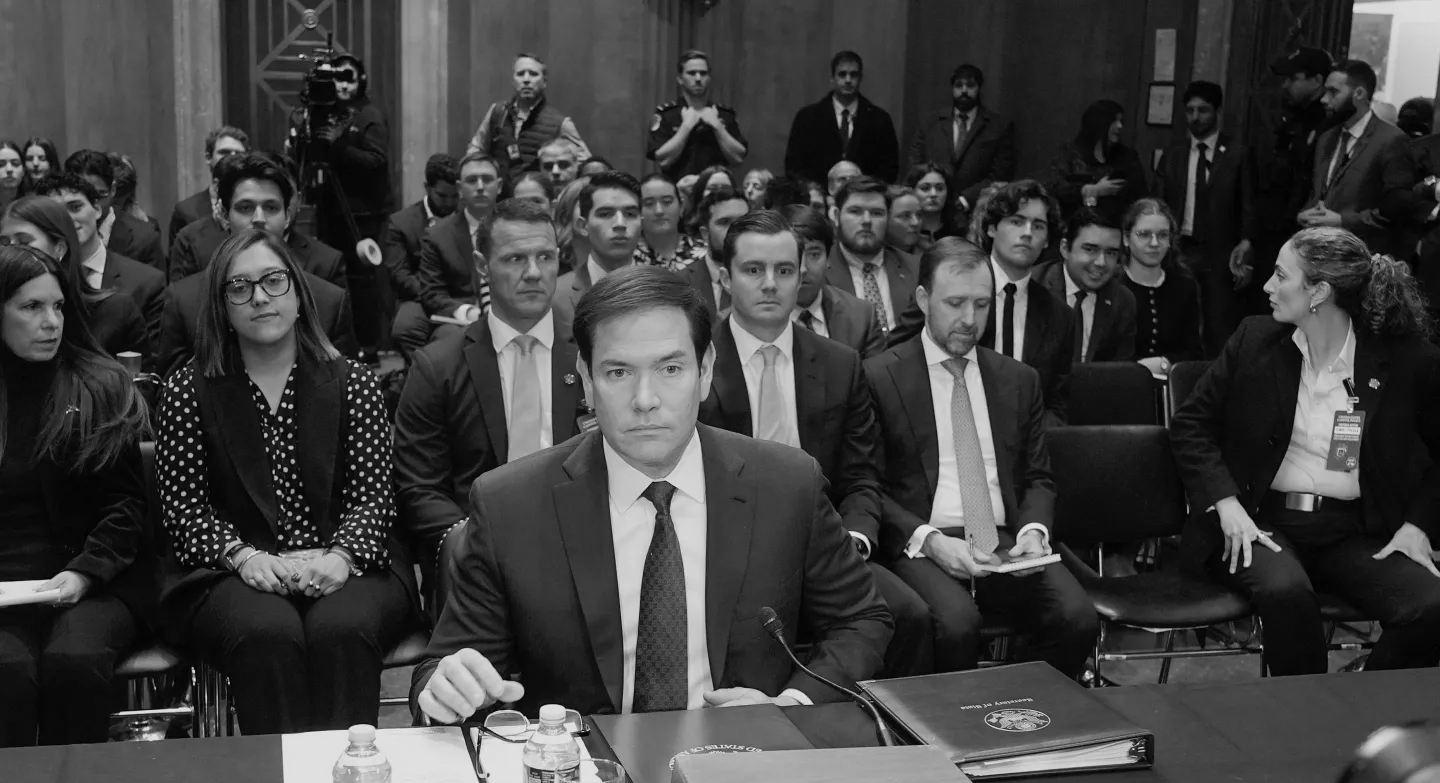
The Trump administration has unveiled a bold and controversial strategy to stabilize Venezuela by monetizing its vast oil reserves, the largest in the world while tightly controlling how the revenue is used. Under this plan, Venezuelan oil that was previously blocked by U.S. sanctions will be allowed into global markets, but with a twist: the proceeds will be held in accounts overseen by the U.S. Treasury and dedicated to essential public services such as healthcare, policing, and medicines . Secretary of State Marco Rubio told U.S. senators that this “interim step” is designed to prevent a systemic economic collapse in Venezuela while the nation navigates a fragile political transition.
In practical terms, this means U.S.-licensed commercial operations have begun selling Venezuelan crude, marking a significant shift after years of sanctions. One major development was a shipment bought by Citgo , the U.S.-based refiner once owned by Venezuela, which signaled the re-entry of Venezuelan oil into American supply chains. Traders operating under U.S. licenses such as Trafigura and others are already arranging cargoes, and authorities are on the verge of issuing general licenses that could bring larger global energy companies into the market. This reactivation of Venezuela’s oil exports not only injects liquidity into the fragile economy but also reshapes commercial flows in global energy markets.
Complicating the picture is the dramatic legal fate of Nicolás Maduro , Venezuela’s long-time president. Maduro was captured by U.S. forces and brought to the United States, where he has pleaded not guilty in federal court to charges including narco-terrorism and drug trafficking . His detention gives Washington a strong lever for negotiating the terms of economic governance and financial oversight in Venezuela, but it has also raised intense debate about legality and sovereignty on the global stage.
The financial architecture devised to manage the oil revenue is equally unusual. Funds are held in a Qatar-based account designed to avoid seizure by creditors and ensure audited oversight before disbursements are made. Rubio and U.S. officials have emphasized that each budget and spending plan will undergo scrutiny to ensure that resources go toward medicine, hospital supplies, and police payroll, rather than corruption or foreign military interests.
While this strategy offers a potential lifeline for Venezuela’s crippled public services, it also raises significant geopolitical and legal questions. International pushback, particularly from countries with longstanding ties to Caracas, could complicate reconstruction efforts. Nevertheless, for millions of Venezuelans facing crumbling infrastructure and shortages of basic supplies, the renewed flow of sanctioned oil supervised by U.S. authorities may provide much-needed relief.