
Venezuela media claims massive wildlife exports to India’s vantara spark debate
Allegations emerging from Venezuelan media have triggered international scrutiny after reports claimed that a plane carrying 1,825 live animals of 62 different species departed Venezuela on May 18, 2024, with the export reportedly invoiced to organisations linked to Vantara, an animal rehabilitation and conservation initiative based in Gujarat, India. By 2024, Venezuelan sources claim a total of 5,359 wild animals had been exported to Vantara.
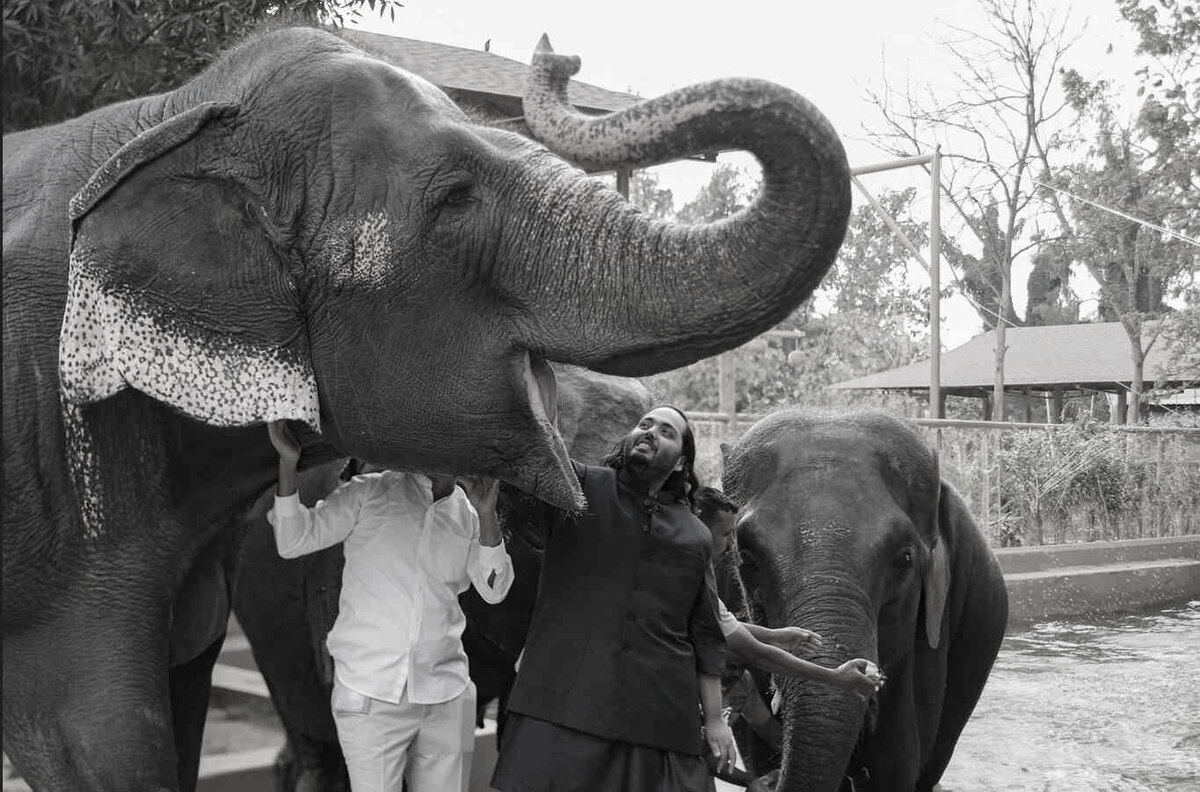
Vantara, a large-scale animal rescue and rehabilitation facility run under the Reliance Foundation, has positioned itself as one of the world’s biggest privately managed wildlife care projects. Covering more than 3,000 acres, it houses thousands of animals reportedly transferred from zoos, rescue centres, private breeders, and foreign wildlife institutions. The facility describes its work as humanitarian, focusing on rehabilitation, treatment, and conservation of endangered species.
However, the recent claims from Venezuelan media have sparked concerns about the transparency and legality of international wildlife transfers. Questions have been raised on whether all animals were truly captive-bred or if some may have originated from the wild, potentially violating global wildlife trade protocols. Environmental groups argue that high-volume transfers could unintentionally boost demand for exotic species, putting wildlife populations at risk.
Despite the controversy, mainstream Indian media has remained largely silent. Analysts say a combination of factors may have contributed to the muted coverage limited access to documentation, legal ambiguities, and the involvement of a powerful private entity. Some experts believe the issue demands deeper scrutiny as it involves ethical, environmental, and diplomatic dimensions.
Vantara, on its part, maintains that all animal transfers have been done legally, with proper permits and in compliance with international and Indian wildlife regulations. The organisation emphasises that its mission is to rescue, rehabilitate, and preserve vulnerable species, not to acquire animals for commercial exhibition.
With foreign reports now drawing global attention to the matter, conservationists are calling for greater transparency, independent verification, and detailed public disclosure of animal origins and welfare practices.
As the debate intensifies, the spotlight is now on international wildlife regulations, media responsibility, and the ethical boundaries of private conservation initiatives.