
Venezuela Approves Amnesty Law to Free Political Prisoners After Maduro’s Capture
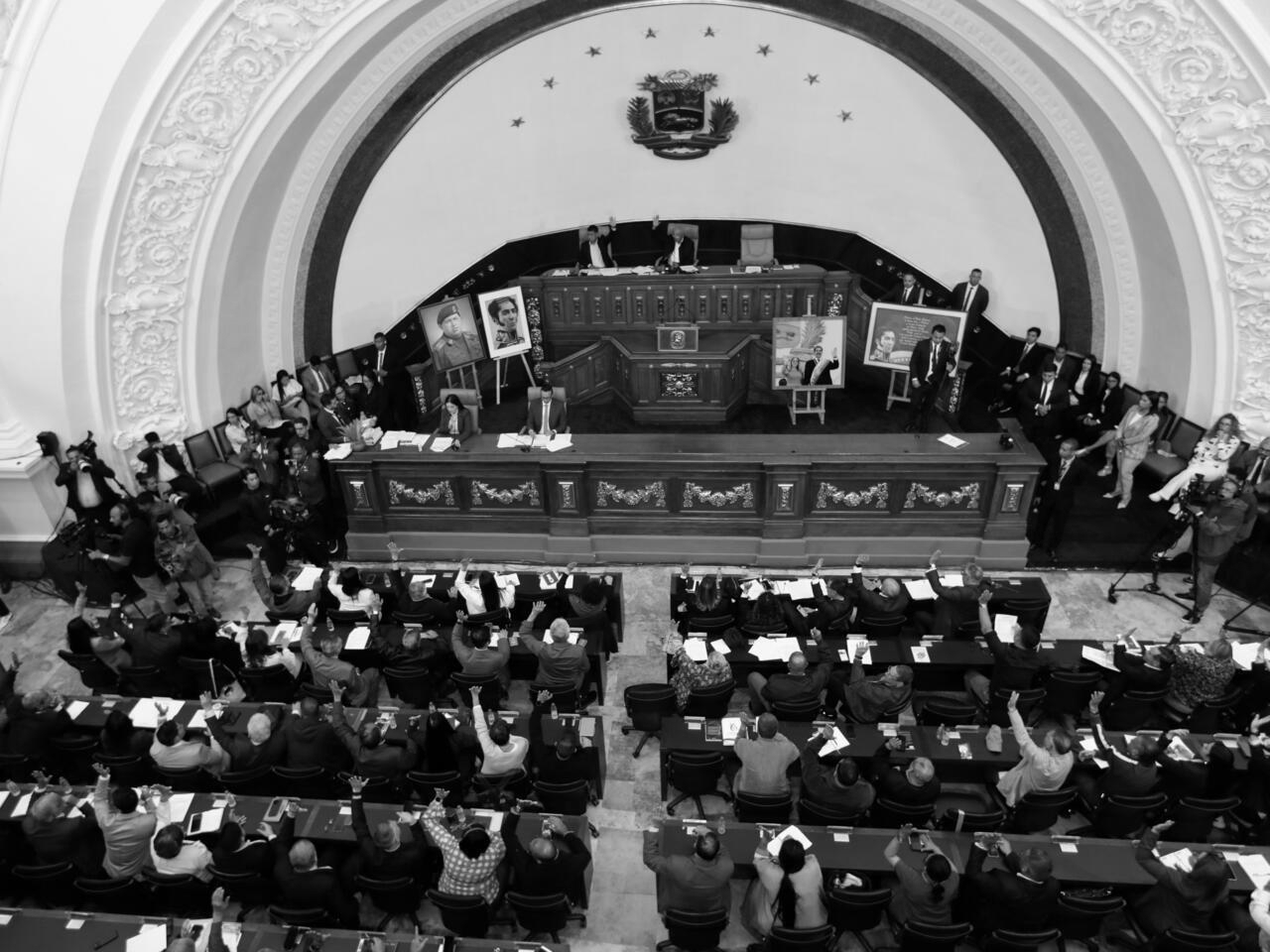
Venezuela has entered a pivotal phase in its political evolution after the National Assembly approved a sweeping amnesty law that could lead to the release of hundreds detained for politically motivated offenses . The legislation, proposed by acting President Delcy Rodríguez and expected to be implemented soon, represents a dramatic reversal for a state that for decades denied the existence of political prisoners . By granting a general amnesty for politically linked offenses dating back to 1999, the measure implicitly acknowledges years of repression during periods of intense political conflict, protests, and disputed elections.
The move follows the extraordinary capture of longtime leader Nicolás Maduro in a U.S. military operation in January 2026, an event that triggered a sudden leadership transition and forced Caracas to recalibrate its domestic and international policies. Rodríguez’s interim administration has since moved swiftly to ease tensions, signaling willingness to cooperate with international demands, reform oil regulations , and initiate prisoner releases . Analysts view the amnesty law as part of a broader attempt to stabilize the country, restore diplomatic ties, and reduce sanctions pressure that has crippled Venezuela’s economy.
Human rights organizations estimate that more than 600 detainees remain imprisoned for political reasons, while over 2,000 arrests followed protests linked to the disputed 2024 presidential election . Those expected to benefit from the amnesty include opposition politicians , activists, journalists, human rights defenders, and protesters targeted during the past quarter century of political unrest. Lawmakers resolved a key dispute by allowing Venezuelans living abroad to seek amnesty through legal representatives, eliminating the need to return to the country to request relief.
However, the law excludes serious crimes such as murder, corruption, drug trafficking, and grave human rights violations . Critics warn that vague eligibility criteria and administrative delays could limit its real impact. Families of detainees and advocacy groups have already protested slow releases, with some staging hunger strikes outside detention facilities in hopes of accelerating the process.
Despite these concerns, the measure is widely viewed as a symbolic turning point. International reactions have been cautiously optimistic, with some European leaders urging reconsideration of sanctions if reforms continue. The government’s recent compliance with external pressure and willingness to undertake policy reversals suggest an effort to re-engage with global markets and rebuild investor confidence, particularly in the vital oil sector .