
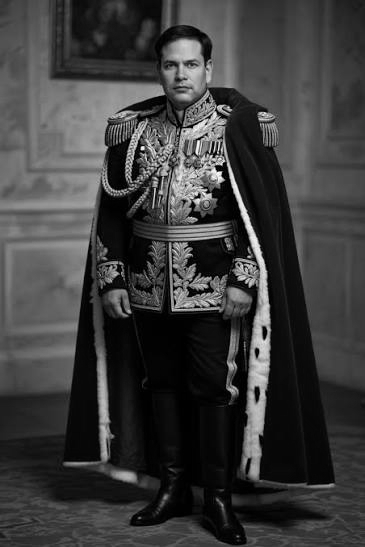
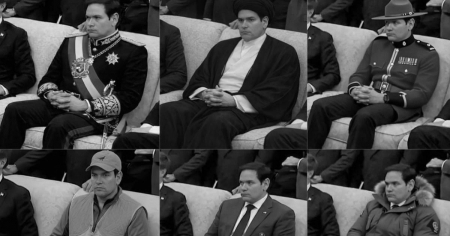
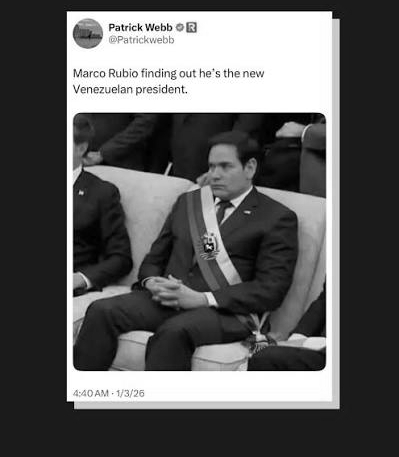
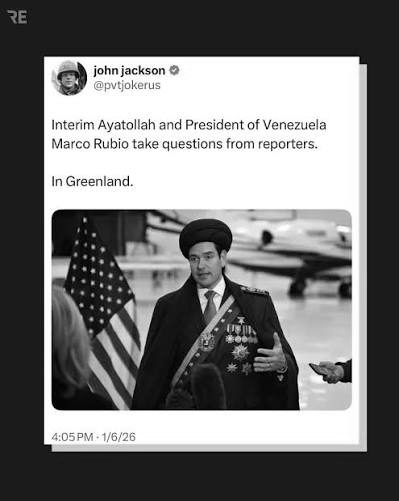
Venezuela a US Colony? Why AI Memes Are Calling Marco Rubio Its 'Viceroy'
Move over Secretary of State, National Security Adviser, acting archivist and administrator of the now defunct USAID. Marco Rubio has quietly added a title that no American diplomat has carried since the Bush era, viceroy of Venezuela. The nickname, first reported by The New York Times, is not internet satire dreamed up by bored posters, it is what officials themselves are calling the man effectively running a sovereign country of 29 million people from an office in Washington.
The arrangement traces back to January, when American forces captured Venezuelan president Nicolas Maduro and flew him to the United States to face narco terrorism charges. With no obvious successor, Trump handed Rubio the job of keeping the country afloat, and six months later that job has hardened into something closer to colonial administration. Rubio has not set foot in Venezuela since the operation, yet he remains deeply involved in its daily operations, staying in constant contact with interim president Delcy Rodriguez , Maduro's former vice president, who now runs the country on an acting basis with what reporting describes as total deference to Washington.
Their relationship is oddly cordial for a power dynamic this lopsided, the two reportedly trade messages in Spanish over WhatsApp, complete with birthday greetings and selfies. But the warmth has not diluted the control. The US Treasury collects revenue from Venezuela's oil exports and disburses funds back through the country's private banks under conditions Rubio sets, meaning he effectively decides what the Venezuelan government is allowed to spend its own money on. He signs off on business licenses, has pushed Rodriguez to extradite Maduro ally Alex Saab, reportedly vetted her public statements before they were posted, and blocked exiled opposition leader and Nobel laureate Maria Corina Machado from returning home even after earthquakes killed more than 4,000 people and devastated the country's economy last month.
Historians have not been shy about naming what this looks like. Comparisons to Paul Bremer , the American official who ran occupied Iraq after 2003, have become almost obligatory in coverage of the arrangement, while critics have called it a throwback to the Dollar Diplomacy era of the early twentieth century, when Washington simply took over the finances of Latin American states it did not trust to manage themselves. Trump, for his part, has made little effort to soften the optics, telling reporters he intends to run Venezuela for years and floating the idea that it could one day become the 51st state.
As for Rubio's promised three step plan, recover the economy, stabilize the country, then transition to democracy, the earthquake has paused it indefinitely, and Rodriguez still has no answer on when elections might actually happen. Democracy, it seems, remains scheduled for some point after the viceroy is done deciding everything else.