
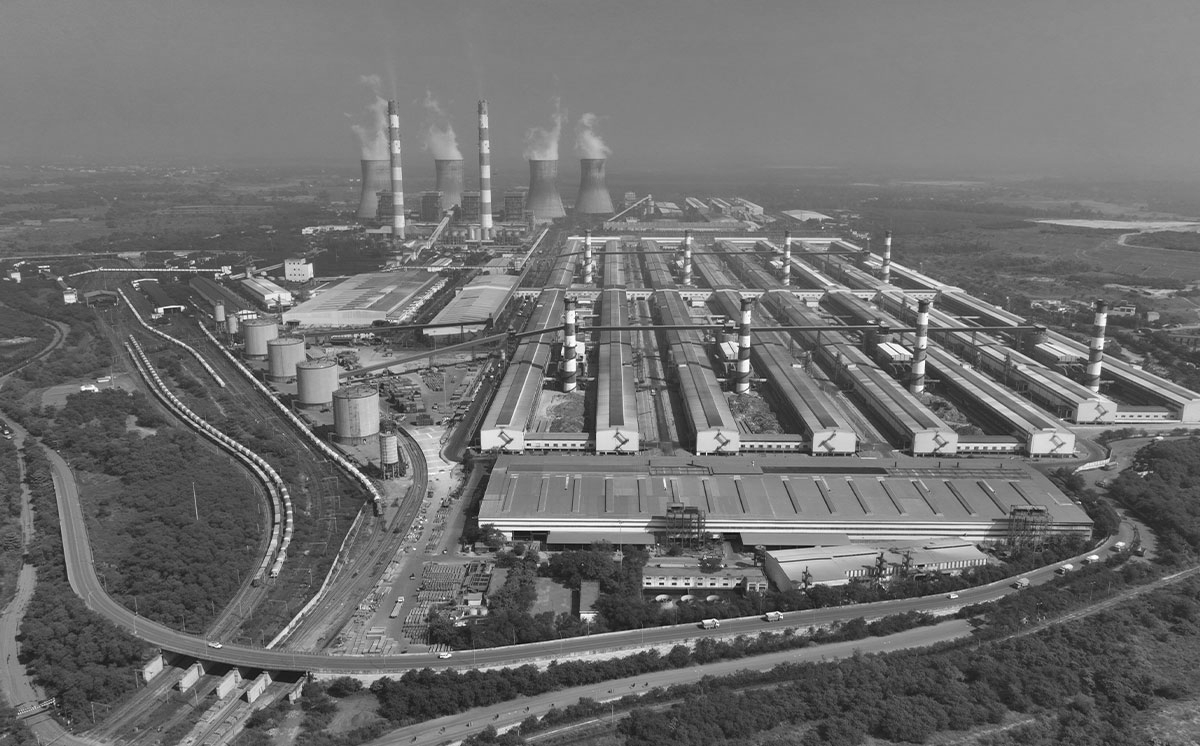
Vedanta’s Lanjigarh Scale-Up Bolsters India’s Global Alumina Standing
Vedanta Aluminium’s expansion of its Lanjigarh alumina refinery in Odisha’s Kalahandi district from 2 million tonnes per annum (MTPA) to 5 MTPA is set to significantly strengthen India’s alumina refining capacity and position the country as the third-largest alumina producer globally.
The expansion raises India’s total alumina refining capacity from around 10 MTPA earlier to nearly 13 MTPA, placing it behind only China and Australia. Alumina is a key raw material for aluminium, which is widely used in infrastructure, power transmission, automobiles, railways, defence manufacturing and renewable energy sectors.
The Lanjigarh refinery, which began its expansion journey in 2020, has already started delivering higher output. The facility recorded its highest-ever monthly alumina production of 254 kilo tonnes in November, marking an 8 per cent month-on-month increase and a 68 per cent rise year-on-year.
With the expansion, Lanjigarh has become India’s largest alumina refinery, strengthening Vedanta Aluminium’s upstream integration and improving raw material security for its aluminium smelters.
Vedanta Aluminium is part of Vedanta Limited, the India-listed flagship company of the Vedanta Group, and the aluminium business is one of the largest contributors to the company’s consolidated revenues.
In FY25, Vedanta Limited reported its highest-ever consolidated revenue of about ₹1.5 lakh crore, supported by strong volumes across aluminium, zinc and oil and gas businesses. The company’s profit after tax rose sharply to around ₹20,500 crore, reflecting improved operational efficiencies and favourable commodity prices during the year.
In the fourth quarter of FY25, Vedanta posted record quarterly revenue of nearly ₹40,000 crore. In the first quarter of FY26, net profit moderated to around ₹3,185 crore amid softer commodity prices, though revenue rose about 6 per cent year-on-year, indicating resilience in core operations.
Vedanta Limited’s stock has been trading near its recent highs, reflecting positive investor sentiment around the company’s growth strategy and restructuring plans. As of mid-December, the shares were trading in the range of ₹550–₹570 on the NSE, close to a 52-week high, giving the company a market capitalisation of over ₹2.2 trillion.
Market participants note that while the Lanjigarh expansion itself did not trigger a sharp immediate stock movement, capacity additions in upstream metals businesses are generally viewed positively over the medium to long term. Recent gains in the share price have been driven largely by broader developments, including the National Company Law Tribunal’s approval of the company’s proposed demerger into sector-focused listed entities, including Vedanta Aluminium.
Odisha continues to remain the hub of India’s alumina industry due to its abundant bauxite reserves and established infrastructure. Besides Vedanta’s Lanjigarh unit, major refineries include National Aluminium Company Ltd’s Damanjodi refinery in Koraput and Hindalco Industries’ Utkal Alumina refinery in Rayagada.
Looking ahead, Hindalco is developing a greenfield alumina refinery in Rayagada with an initial capacity of about 0.85 MTPA, with plans to scale it up in phases. NALCO has also announced an expansion of about 1 MTPA at its Damanjodi refinery, while a proposed joint venture between Gujarat Mineral Development Corporation and NALCO could add further capacity outside Odisha.
If these projects are executed as planned, India’s alumina refining capacity could rise to about 15–17 MTPA by around 2030, further consolidating the country’s position among the world’s leading producers.
Higher domestic alumina capacity reduces import dependence, supports aluminium smelters, improves export potential and contributes to employment and regional development. As aluminium plays a growing role in energy transition technologies such as electric vehicles, solar power and grid infrastructure, strengthening the alumina supply chain is increasingly seen as a strategic priority for India.
Vedanta’s Lanjigarh expansion, supported by strong financial performance and complemented by planned capacity additions by other major producers, underscores India’s growing role in the global aluminium value chain, with rising production, improved self-reliance and sustained investment momentum helping the country consolidate its position as a key global alumina hub.