
Vasant Panchami: Nature’s Euphoria and the Embodiment of Knowledge
In Indian culture, festivals are more than just celebrations; they reflect the profound bond between humanity and nature. Among these, Vasant Panchami holds a distinguished place. Celebrated on the Panchami (fifth day) of the bright half of the month of Magha , this festival bids farewell to the winter chill and welcomes the blossoming 'Spring Season' ( Vasant Ritu ).
The Transition of Nature
There is an inseparable link between Vasant Panchami and the arrival of spring. Scientifically, a seasonal transition takes approximately 40 days to reach full bloom. Vasant Panchami occurs exactly 40 days before the Holi festival, marking the beginning of this change. By the time Holi arrives, spring is in its full splendor. Hence, this day is also celebrated as 'Vasant Utsav'.
The Manifestation of Goddess Saraswati
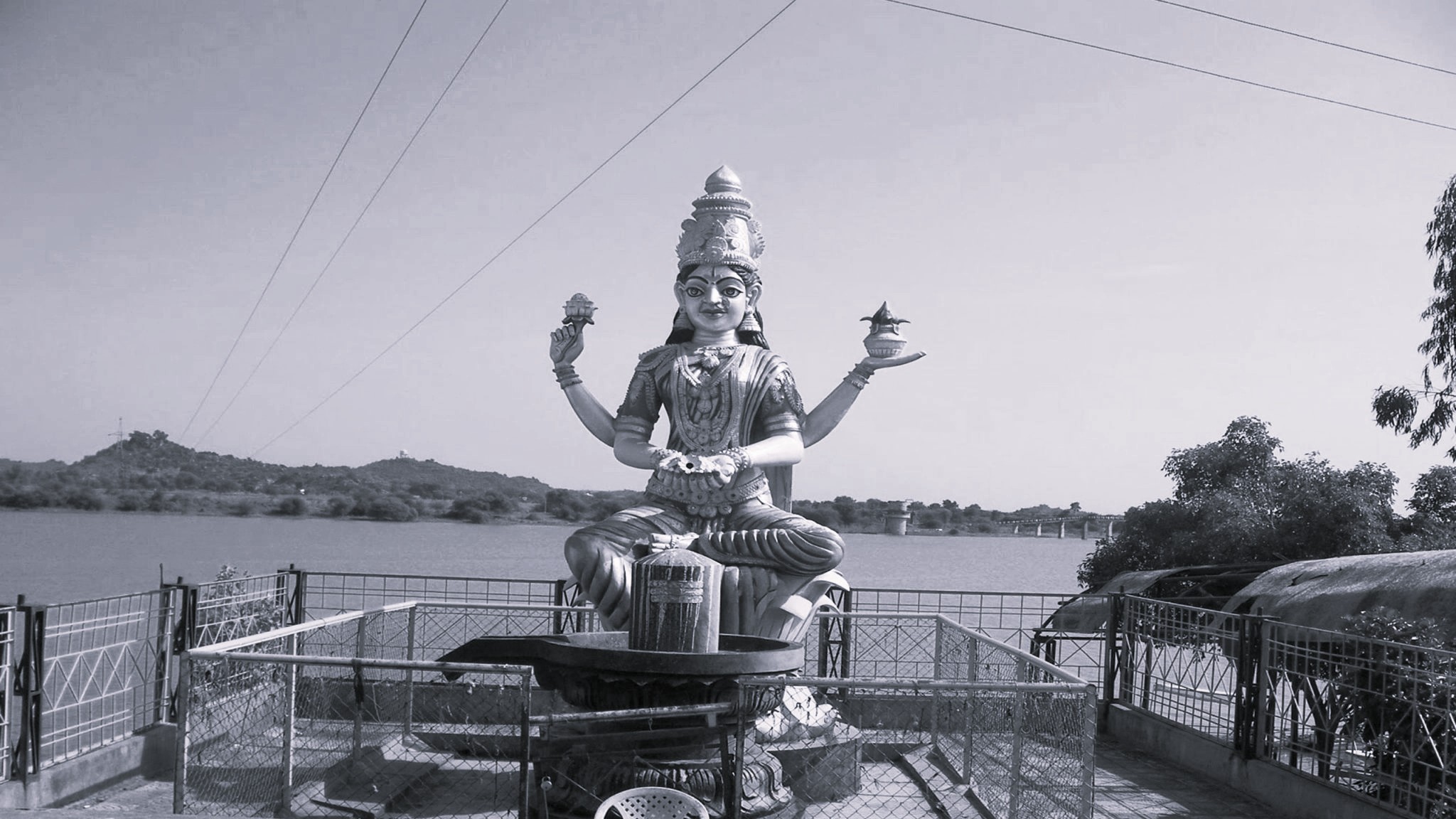
According to mythology, when Lord Brahma created the universe, a profound silence prevailed. To infuse consciousness and life into the creation, Brahma sprinkled water from his Kamandalam . From this, Goddess Saraswati emerged four-armed, clad in white, holding a Veena, a book, and a rosary. As she played the Veena, every living being in the universe found its voice. Since she was born on this day, Vasant Panchami is dedicated to the worship of the Goddess of Knowledge.
Aksharabhyasam: A Salutation to the Deity of Learning
In the Telugu states and across India, this day is considered highly auspicious for Aksharabhyasam (the formal initiation of education for children).
In Odisha and Bengal, children begin their education by writing their first letters on a slate with chalk, rituals known as Khadi-Chuan or Hate-Khori .
At shrines like Basara , thousands of devotees seek the blessings of Gnana Saraswati to grant their children wisdom and knowledge.
The Significance of Yellow
The color yellow is synonymous with Vasant Panchami.
A Feast for the Eyes:
During this time, mustard fields bloom in vibrant yellow, making it appear as though the Earth is draped in a yellow saree.
Symbolism:
Yellow represents knowledge, prosperity, and purity. People wear yellow attire and prepare traditional yellow-colored dishes like Kesari Bath and saffron rice.
The Legend of Kamadeva and the Message of Love
Vasant Panchami also celebrates love and devotion. One legend narrates that the gods sent Kamadeva (the God of Love) to interrupt Lord Shiva's deep meditation so that a son could be born to Shiva and Parvati to defeat the demon Tarakasura. Kamadeva shot an arrow of flowers at Shiva on this very day. In regions like Gujarat, people celebrate by singing about the love between Radha and Krishna and gifting flower garlands.
Regional Diversity and Shared Traditions
This festival unites India through diverse celebrations:
Punjab & Haryana:
Famous for the Kite Festival , where the sky is filled with colorful kites.
Bengal:
Saraswati Puja is celebrated with the same grandeur as Durga Puja. Students place their books at the feet of the Goddess.
Bihar:
Special prayers are offered to the Sun God at the 'Deo' Sun Temple in Aurangabad district.
Sufi Tradition:
In the 12th century, the poet Amir Khusrau began offering yellow flowers to Sufi saint Nizamuddin Aulia on this day, a tradition still observed by Sufi Muslims.
Sacred Hymns (Slokas) for Recitation
Reciting these slokas on Vasant Panchami is believed to enhance concentration, wisdom, and eloquence.
Saraswati Namastubhyam (Recited before starting studies)
Saraswati Namastubhyam Varade Kaamarupini |
Vidyarambham Karishyami Siddhir Bhavatu Me Sada ||
Meaning: Salutations to Goddess Saraswati, the giver of boons and the fulfiller of desires. As I begin my studies, may I always achieve success.
Ya Kundendu (Describing the purity of the Goddess)
Ya Kundendu Tushara Hara Dhavala Ya Shubhra Vastravrita |
Ya Veena Varadanda Manditakara Ya Shweta Padmasana ||
Vasant Panchami at Gnana Saraswati Temple, Basara
In Basara, Vasant Panchami is celebrated as the birthday of the Goddess . The festivities begin as early as 2:00 AM with a 'Maha-Abhishekam' and special decorations. The entire temple town is adorned in yellow. Devotees take a holy dip in the Godavari River before seeking the Goddess's blessings.
2026 Schedule:
The celebrations will be held from January 21 to 23, 2026. According to the almanac, the Panchami Tithi begins at 2:28 AM on January 23 and ends at 1:46 AM on January 24. Scholars advise celebrating the festival on Friday, January 23, 2026, based on the sunrise time.
Travel & Facilities:
By Train:
Basara has its own railway station ( BSX ) well-connected to Hyderabad and Nanded.
By Road:
It is 210 km from Hyderabad via NH 44. Frequent buses are available from MGBS and Jubilee Bus Station.
By Air:
The nearest airport is Hyderabad (RGIA).
Facilities:
The temple board provides guest houses, and there are several hotels and budget restaurants available for pilgrims.
Note:
Due to heavy crowds, it is recommended to arrive a day early or book tickets online if you plan to perform Aksharabhyasam for your child.