
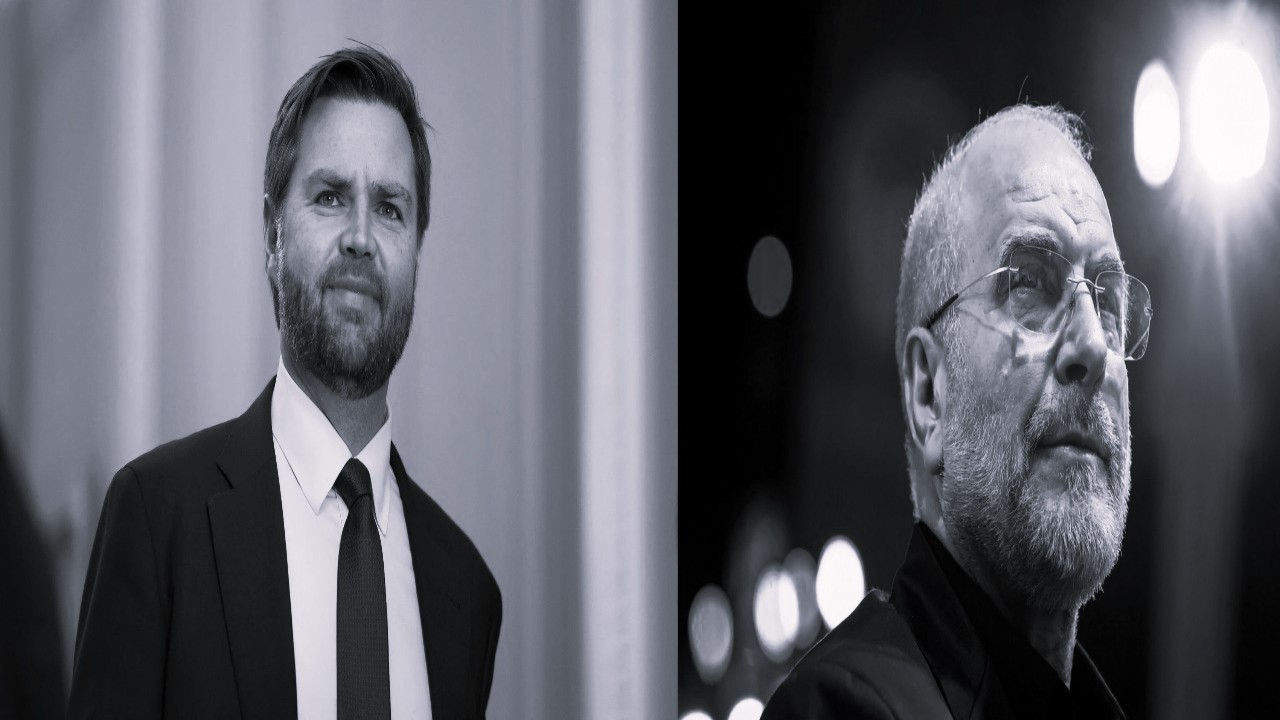
Vance Lands in Pakistan for Crucial US–Iran Talks Amid Tehran No-Show Doubts
JD Vance on Friday departed for Pakistan to participate in high-stakes peace talks between the United States and Iran, even as uncertainty lingered over the arrival of the Iranian delegation in the heavily secured capital.
The talks, aimed at ending ongoing hostilities, were announced earlier this week by Shehbaz Sharif, who also declared a two-week ceasefire to facilitate dialogue. He stated that Islamabad would host the negotiations on April 10 and invited both sides to engage diplomatically.
Before leaving, Vance struck a cautiously optimistic tone, saying the US was open to constructive engagement. He emphasised that Washington was willing to extend an “open hand” if Iran negotiated in good faith, but warned that any attempt to undermine the process would be met with firmness.
However, doubts over Iran’s participation persisted. Mohammad Bagher Ghalibaf indicated that Tehran could withdraw from the talks if certain preconditions were not met, including a ceasefire in Lebanon and the release of Iran’s blocked financial assets. These demands added a layer of complexity to the already fragile diplomatic effort.
Earlier, Reza Amir Moghadam had announced that a delegation from Tehran would arrive in Islamabad. But he later deleted his statement, fuelling speculation amid escalating tensions in the region. The confusion was compounded by fresh Israeli aerial strikes on Lebanon, which Iran views as a violation of the ceasefire framework.
Iranian President Masoud Pezeshkian strongly condemned the attacks, stating they undermined the basis for negotiations and could render the talks meaningless. Officials have since refrained from confirming any timeline for the Iranian delegation’s arrival, citing security concerns.
Despite the uncertainty, Pakistan moved ahead with extensive preparations. The government announced Visa on Arrival facilities for delegates and journalists attending the talks. Ishaq Dar said all necessary arrangements had been made to ensure smooth participation.
Security across Islamabad was significantly heightened, with the city placed on red alert . More than 10,000 police and security personnel, including paramilitary Rangers and army units, were deployed to maintain a multi-layered security framework. The Red Zone, which houses key government buildings, was sealed off and access restricted to authorised individuals.
Mohsin Naqvi reviewed the arrangements and directed officials to implement all possible measures to ensure the safety of visiting delegations. Authorities also conducted large-scale search operations and established checkpoints at key entry and exit points across the city.
The proposed negotiations are being closely watched worldwide, as their outcome could have significant implications for West Asian stability , global energy markets, and broader international diplomacy. However, with tensions continuing on the ground and uncertainties surrounding Iran’s participation, the success of the Islamabad talks remains far from assured.