
‘Valley Of Flowers’ National Park Opens For Tourists In Uttarakhand
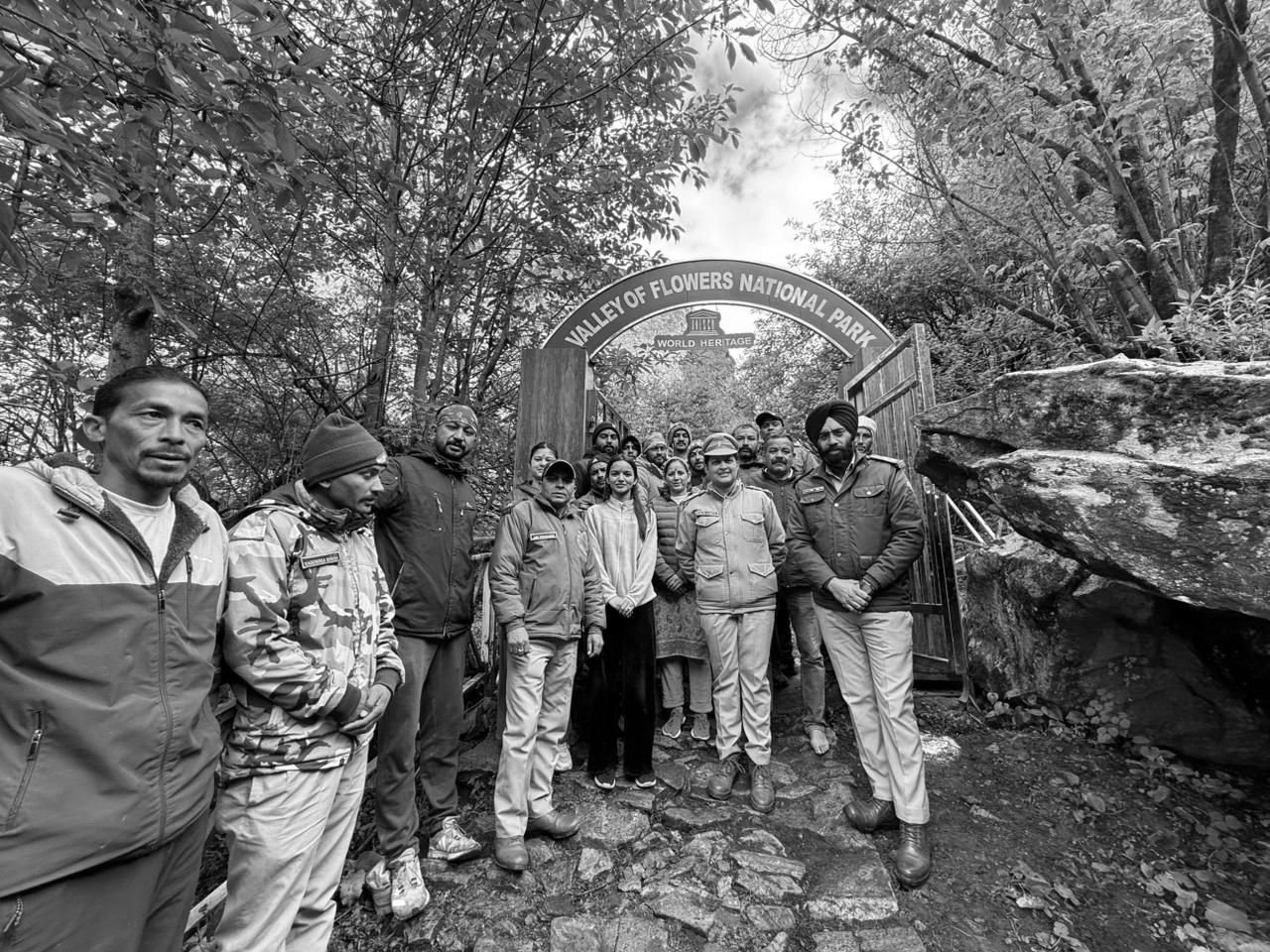
The Valley of Flowers National Park , a UNESCO World Heritage Site in Uttarakhand’s Chamoli district, was officially opened to tourists on Monday, marking the start of its annual seasonal access.
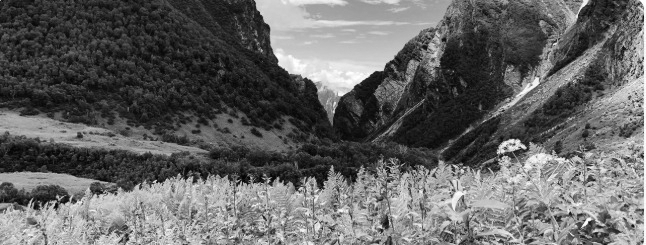
Located near the pilgrimage town of Badrinath , the high-altitude valley will remain open for visitors until the first fortnight of October, allowing trekkers and nature enthusiasts to experience its rare alpine biodiversity during the monsoon bloom period.
Spread across about 87 square kilometres , the park is globally known for its rich variety of wildflowers, lush meadows and unique Himalayan ecosystem. It was declared a national park in 1982, primarily to conserve its fragile geographical formation, alpine grasslands (locally known as bugyals ) and diverse floral species.
The valley gained international attention in the early 20th century after British botanist and mountaineer Frank Smythe documented its natural beauty in his book The Valley of Flowers , helping place it on the global ecological map.
Access to the park involves a multi-stage journey. Visitors first travel from Govind Ghat on the Badrinath National Highway to Pulna by road. From Pulna, a trek of around 11 kilometres leads to Ghangharia , which serves as the base point for entry into the valley. Permits are required and issued at Ghangharia before entry into the protected zone.
Officials said the gates were formally opened on Monday morning, and tourist movement began soon after. According to Divisional Forest Officer (DFO) Abhimanyu, over 108 tourists visited the valley on the first day of opening.
The Valley of Flowers is managed under the Nanda Devi National Park Division , which also oversees the nearby Nanda Devi National Park. Together, these protected areas form the core zone of the Nanda Devi Biosphere Reserve , also recognised as a UNESCO World Heritage Site for its ecological significance and conservation value.
Forest authorities have reiterated guidelines to ensure minimal human impact on the fragile ecosystem, as the region hosts several rare and endemic plant species that bloom briefly during the monsoon season.