
Uttarakhand pension hike highlights contrast with Telangana statehood activists’ long wait
At a time when Telangana statehood activists and martyrs’ families continue to seek a formal welfare policy and assured pensions, the Uttarakhand government on Thursday announced a hike in monthly pensions for those who fought for the creation of the hill state , underscoring a growing contrast in how different states are institutionalising support for their statehood movements.
In Uttarakhand , the state cabinet decided to enhance pensions across categories of recognised statehood activists. Activists who were jailed for at least seven days or injured during the agitation will now receive ₹7,000 per month , up from ₹6,000. Other recognised agitators will get ₹5,500 per month instead of ₹4,500. The most significant increase was announced for activists who became disabled or completely bedridden during the movement, with their special pension raised from ₹20,000 to ₹30,000 per month . Pensions for dependents of activists who lost their lives during the statehood struggle have also been increased from ₹3,000 to ₹5,500 per month .
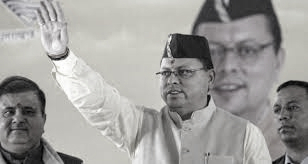
Announcing the decision, Chief Minister Pushkar Singh Dhami said the move reflected the government’s gratitude towards those who sacrificed for the creation of the state and reaffirmed its commitment to their security and socio-economic empowerment.
The Uttarakhand decision has once again brought into focus the situation in Telangana, where more than a decade after the formation of the state in 2014, there is still no comprehensive, legally backed pension or welfare scheme for statehood activists . Participants of the Telangana movement spanning the 1969 agitation and the final phase between 2009 and 2014 have repeatedly demanded monthly pensions, housing plots, medical support and official identity cards recognising their role.
Families of those who died during the agitation, often referred to as Telangana martyrs , have also sought uniform and sustained financial support, saying existing assistance has been uneven and largely symbolic.
The issue has reached the Telangana High Court , which has observed that in the absence of a clear government policy or statutory assurance, it cannot direct the state to grant pensions or other benefits. While Telangana observes memorial events and pays official tributes to martyrs, activists argue that recognition has not translated into long-term socio-economic security. Political parties, including those currently in power, have promised welfare measures for statehood activists in election manifestos, but many of these assurances remain unimplemented.