
US Urges NATO Allies to Step Up Europe Defence as Pentagon Reviews Troop Cuts
The Pentagon has urged NATO allies to take greater responsibility for defending Europe as Washington reassesses its military posture and shifts more attention toward security challenges closer to home and in the Indo-Pacific.
The United States has begun reducing the roughly 80,000 troops it still has stationed across Europe, while the Pentagon conducts a review to determine the scale of any further reductions. Washington has made clear that the future of its military presence will depend partly on how effectively European allies and Canada respond to demands for a stronger European defence role.
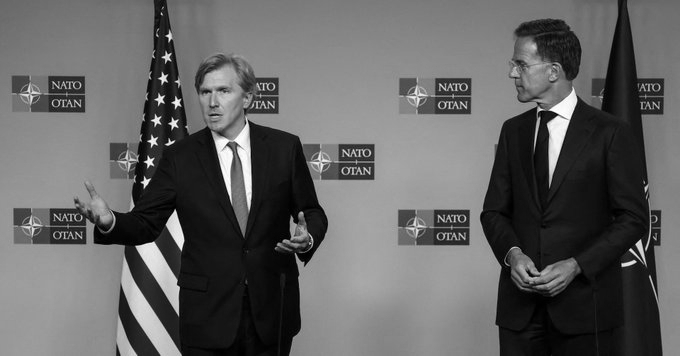
US Under Secretary of Defence Elbridge Colby said Washington wants NATO to adopt a “more realistic” and balanced structure, with European countries assuming greater responsibility for the continent’s conventional defence. The US would retain a supporting role, including its nuclear deterrent, if required.
Following a briefing at NATO headquarters in Brussels, Colby praised Germany, Poland and Scandinavian countries for increasing their defence efforts, but said Washington expected more from allies, including the United Kingdom.
The Pentagon has circulated questionnaires to NATO members seeking detailed information on how they plan to meet US expectations. The survey also asks about issues beyond NATO’s conventional defence responsibilities, including whether allies would provide unrestricted access to bases and airspace for US forces.
The demands come amid growing debate within Europe over Washington’s evolving security priorities. Some European governments expressed reservations after the United States launched military action against Iran without prior consultation.
Colby said Europe shares the US objective of preventing Iran from obtaining a nuclear weapon, but stressed that Washington needs greater operational predictability and the ability to act effectively when required.
The Pentagon’s review could therefore reshape the US-Europe security balance, placing greater pressure on European governments to increase defence spending, expand military capabilities and assume a larger share of NATO’s conventional deterrence responsibilities.