
US tariffs hit Indian solar exports, fuel domestic supply glut: ICRA
Indian solar module exporters are facing significant challenges following the imposition of tariffs by the United States, according to a report by ICRA (Investment Information and Credit Rating Agency). The trade barriers have curtailed exports, forcing manufacturers to redirect modules back into the domestic market, intensifying an already oversupplied industry.
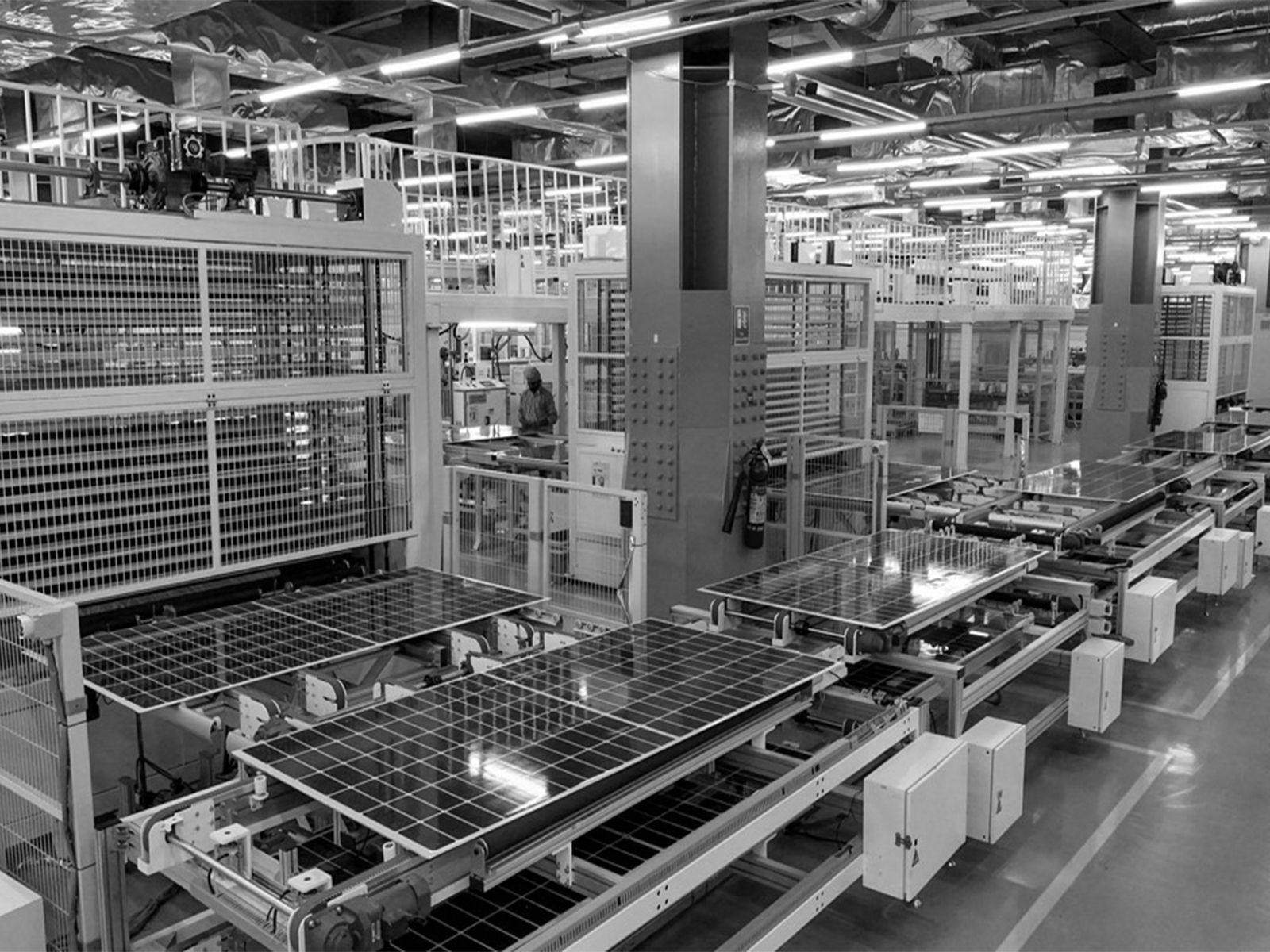
India’s solar photovoltaic (PV) manufacturing capacity is expected to surge from around 109 gigawatts (GW) currently to over 165 GW by March 2027, driven by government policies such as the Approved List of Models and Manufacturers (ALMM), Basic Customs Duty (BCD) on imports, and the Production-Linked Incentive (PLI) scheme. However, domestic solar installations are projected to remain at 45–50 GW direct current (GWdc) annually, far below production capacity, creating a supply-demand mismatch.
“The combination of US tariffs and regulatory uncertainty is likely to reduce exports, putting pricing pressure on domestic original equipment manufacturers (OEMs),” said Ankit Jain, Vice President and Co-Group Head, Corporate Ratings, ICRA. Operating margins, which were around 25% in FY2025 (financial year 2025), are expected to moderate as competition intensifies and smaller, pure-play manufacturers face financial strain.
The diversion of modules initially intended for exports into the domestic market has pushed prices down and could trigger industry consolidation, benefiting vertically integrated companies that control multiple stages of the supply chain. These companies are likely to gain long-term advantages through cost efficiency, supply chain control, and reduced reliance on imports.
Despite the growth in domestic manufacturing, India remains heavily dependent on China for polysilicon, wafers, cells, and modules, posing strategic and geopolitical risks for manufacturers seeking backward integration. The implementation of ALMM List-II for solar PV cells from June 2026 is expected to boost domestic cell manufacturing capacity from 17.9 GW to around 100 GW by December 2027, though modules using Indian cells may cost 3–4 cents per watt more than those with imported components.
ICRA believes that while the short-term challenges oversupply, pricing pressure, and weakened exports will continue to strain the sector, vertically integrated players are well-positioned to benefit from greater self-reliance, control over the supply chain, and long-term competitiveness in both domestic and international markets.