
US Supreme Court Allows Trump To Resume Big Bend Border Wall Construction
The US Supreme Court has cleared the way for President Donald Trump’s administration to resume controversial border wall construction in Texas’s Big Bend region, dealing a setback to bipartisan opponents who argue that the project is expensive, unnecessary and environmentally damaging.
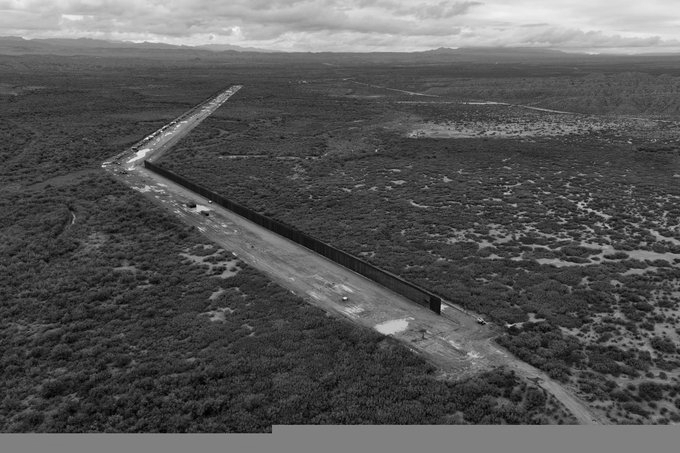
In an 8-1 decision, with Justice Ketanji Brown Jackson dissenting, the court allowed construction to continue while a legal challenge proceeded. The proposed project includes 30-foot-tall steel walls, vehicle barriers, patrol roads and surveillance infrastructure across parts of the region, which includes Big Bend National Park and surrounding state and privately owned land.
Trump has long promised to build a wall stretching from the Pacific Ocean to the Gulf of Mexico. Republicans in Congress allocated $46 billion for border construction last summer, and Customs and Border Protection has been erecting approximately 12 miles of barriers every week along the US-Mexico border.
The administration has issued sweeping waivers to bypass environmental and other regulatory requirements that could delay construction. However, the plans have triggered bipartisan opposition in Big Bend, where illegal migrant apprehensions are historically among the lowest along the southern border.
Opponents argue that the barriers would damage the region's distinctive landscape, threaten its tourism-dependent economy, disrupt local communities and harm wildlife habitats and cultural sites. They say surveillance technology, including drones, could secure the border without extensive physical barriers.
A Texas judge had ordered an immediate halt to construction-related activities, finding that Congress had likely not clearly authorised such broad regulatory waivers for the region. The administration challenged the ruling, arguing that federal law sharply limits judicial interference in border construction decisions.
Government lawyers maintain that illegal crossings and drug seizures occur in Big Bend and warn that gaps in the border wall could redirect migrant and trafficking activity into the area.
The administration has awarded $7.5 billion in contracts for work across a 517-mile border sector, including more than 300 miles of planned barriers and supporting infrastructure. Traditional wall construction is not planned inside Big Bend National Park, although vehicle barriers, patrol roads and surveillance facilities are proposed.
The Supreme Court's intervention is a temporary victory for Trump, not a final ruling on the project's legality. The wider legal battle continues.