
US Signals Months-Long Blockade as Iran Endures Rising Economic Heat
Trump and top administration officials met with energy industry executives from Chevron, Vitol, Trafigura and others to discuss continuing the blockade of Iranian ports "for months if needed" and how to minimize the impact on American consumers. That phrase, months, marks a decisive hardening of Washington's posture. This is no longer a pressure tactic with a deadline. It is a siege mentality . Brent crude surged to $119 a barrel Wednesday morning, the highest in nearly four years, while the average American gas price hit $4.23 a gallon. The blockade is biting on both sides.
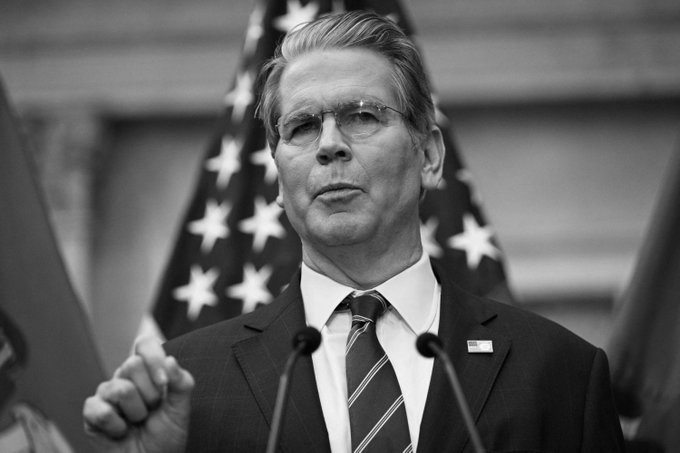
Iran's economy is visibly cracking under the weight of it. The Iranian rial hit a record low, trading at around 1.8 million to the dollar, threatening to fuel runaway inflation and widespread job losses in a country already battered by two months of war. US Treasury Secretary Scott Bessent , who called Iran's oil industry "creaking" under the blockade, went further Wednesday, accusing Iran's shadow banking networks, the so-called "rahbars", of funnelling illicit oil revenues to the IRGC and Iran's missile program, and warning that any financial institution facilitating these networks would face "severe consequences." The economic war is being waged as fiercely as the military one.
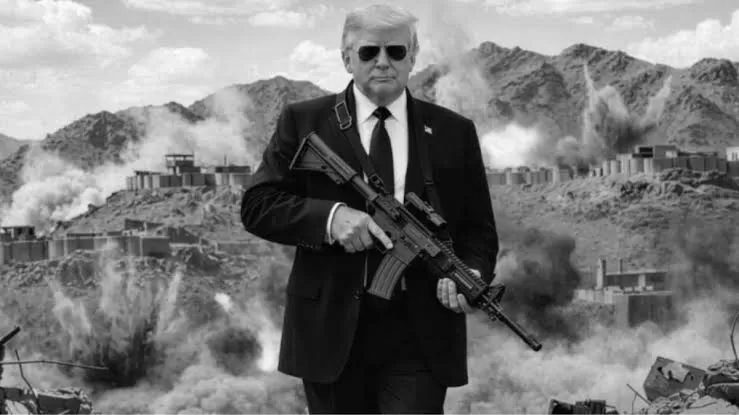
Yet Tehran refuses to bend. Iran's latest proposal, to unblock the Strait of Hormuz if the US lifts its counter-blockade, while delaying talks on its nuclear program entirely, was met with deep skepticism in Washington. Secretary of State Marco Rubio called it "better than expected" but stopped well short of endorsing it, saying the US must ensure any deal "definitively prevents Iran from sprinting towards a nuclear weapon." Trump , for his part, was more blunt, posted an AI-generated image of himself clutching an assault rifle against a backdrop of explosions on Wednesday, captioning it "No More Mr. Nice Guy!" , "Iran can't get their act together. They better get smart soon." His claim that Iran had told him it was in a " State of Collapse " was swiftly dismissed by Iran's Consul General in Mumbai, who called such statements "propaganda" rooted in psychological warfare rather than ground reality.
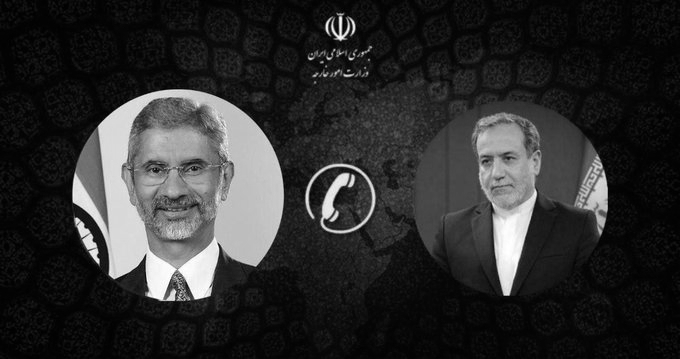
The diplomatic front spanned continents today . Iranian Foreign Minister Abbas Araghchi called India's External Affairs Minister S. Jaishankar to discuss the deepening Middle East crisis, a telling move that underscores Iran's effort to mobilise non-Western voices and build pressure against the US blockade. India, which has deep energy ties with the Gulf and its own commercial interests in the Strait of Hormuz, responded with carefully calibrated language, calling attacks on commercial shipping in the strait "deplorable" , a statement that implicitly criticised all parties causing disruption to global maritime trade.
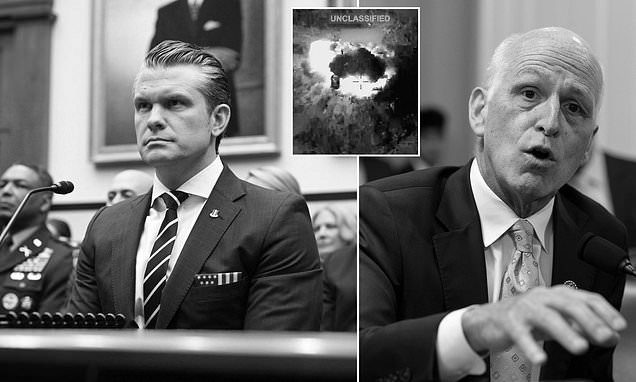
Meanwhile, on Capitol Hill, the reckoning arrived. Defense Secretary Pete Hegseth testified before the House Armed Services Committee on Wednesday, his first public appearance before Congress since the war began , ostensibly to defend a record $1.5 trillion Pentagon budget request, a 50% jump over current levels. But Democrats used the hearing as their first real opportunity to demand answers on the war's costs, objectives, and legality. Lawmakers pressed Hegseth on the war's projected price tag, the administration's exit strategy, and what the goals even are anymore, after the original justification of destroying Iran's nuclear programme gave way to talk of regime change, and then to the destruction of its navy. With the 60-day mark approaching on May 1, some lawmakers are exploring invoking the War Powers Resolution, which would give the administration 30 days to wind down hostilities. Hegseth, for his own part, told Congress the US must "get Iran to the point of giving up" its nuclear ambitions, an objective that sounds less like a strategy and more like a wish.
The human cost, too, refuses to stay in the background. Iran's Foreign Minister Araghchi addressed the UN Human Rights Council, describing the US-Israeli offensive as a " calculated, phased assault ." The UN separately reported that at least 21 people have been executed in Iran since the war began , raising alarms about the regime using the fog of conflict to accelerate internal repression. Iran's army spokesman meanwhile declared starkly: "Do not consider the war over."
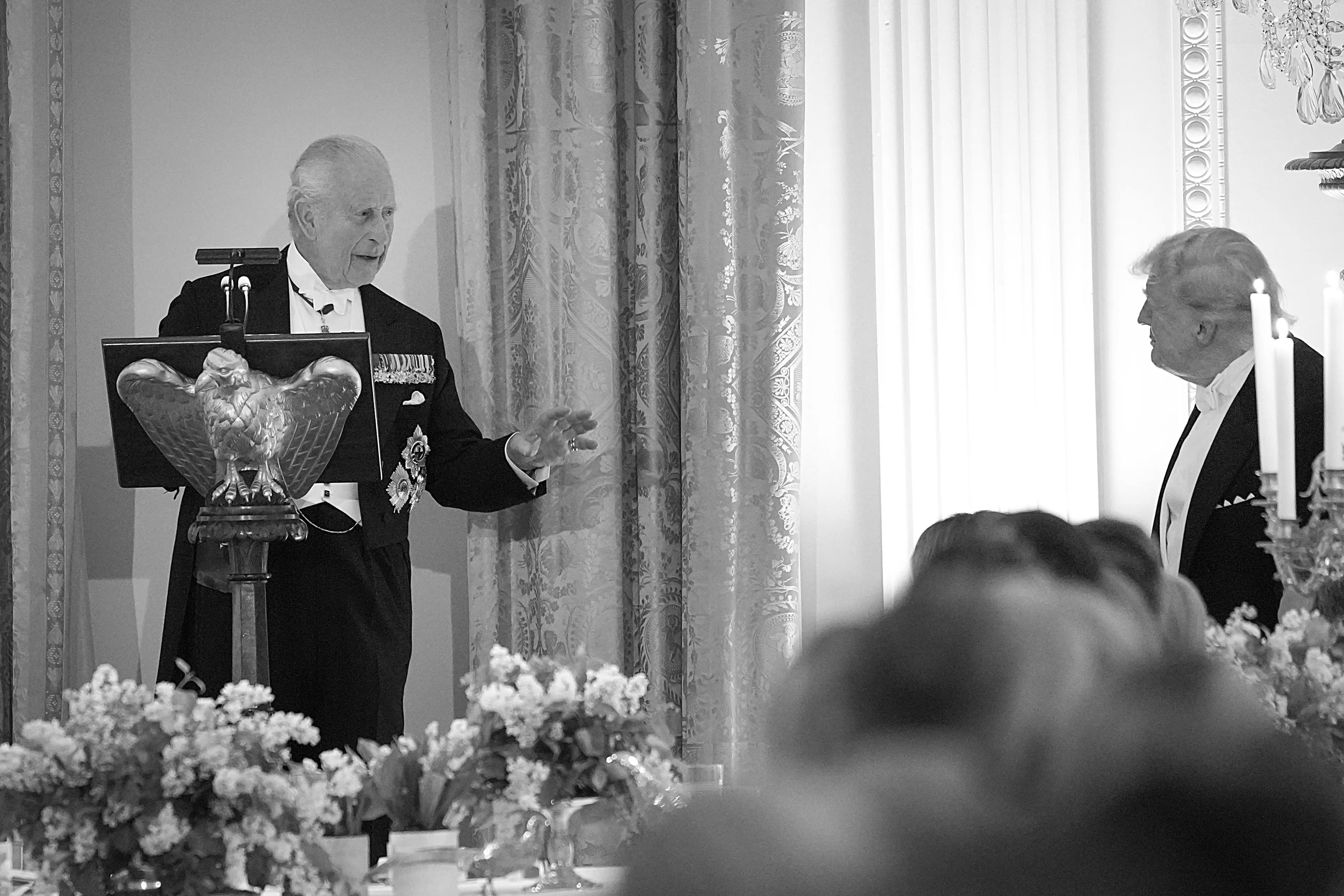
On the sidelines of a White House state dinner for King Charles III , Trump claimed the British monarch aligned with the US position against Iranian nuclear ambitions, a remark that, whether accurate or not, signals Washington's desire to frame this conflict as a civilisational consensus rather than a unilateral adventure.